When a country built around vast oil reserves starts importing gasoline from India, something in the strategic picture has fundamentally broken.
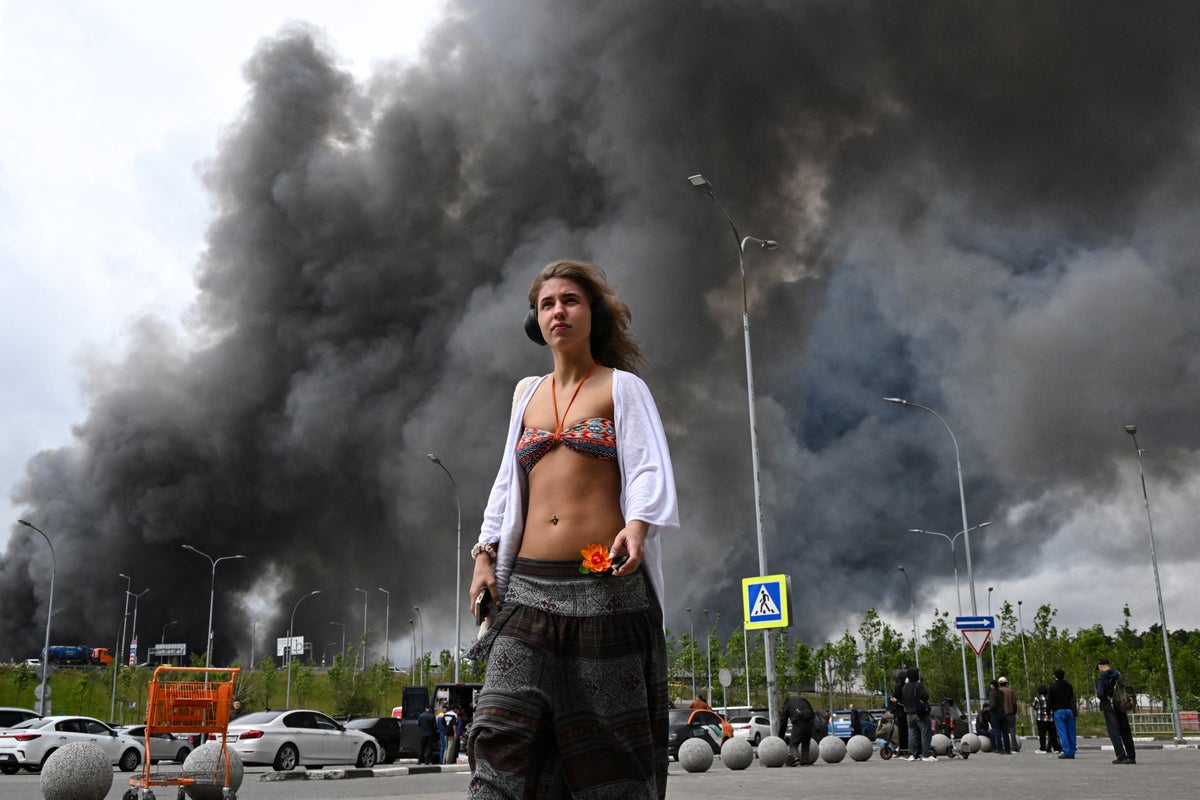
That is the stark reality facing the Kremlin right now. Long-range Ukrainian drone strikes targeting Russian energy infrastructure have moved from isolated nuisance raids to a systematic effort that has crippled Russia's fuel processing network. By striking deeper into Russian territory than ever before—culminating in a July strike on the massive Omsk refinery in Western Siberia, over 2,500 kilometers from the border—Kyiv has now hit all 11 of Russia's largest oil refineries.
The result isn't just smoke rising over industrial complexes. It's a genuine fuel crisis spanning Russia's 11 time zones, causing rationing, driving up petrol prices, and forcing Moscow to scramble for foreign gasoline supplies to keep its domestic economy and military machine running.
How Deep Strikes Hit Russia Where It Hurts Most
Western sanctions were supposed to choke off Moscow's war effort, but Western diplomats spent years agonizing over price caps and third-party enforcement while Russian crude kept flowing to international buyers. Ukraine decided to take a much more direct path. Instead of trying to stop crude oil from leaving Russian soil, Kyiv began destroying the specialized facilities that turn raw oil into usable petrol, diesel, and aviation fuel.
This shift targeted a specific structural weakness. Cracking crude oil into refined fuel requires high-tech distillation towers, specialized catalysts, and complex processing units—many of which rely on Western machinery that Russia cannot easily replace under current import bans.
When a long-range drone strikes a crude distillation unit (CDU), it doesn't just start a fire. It knocks out a facility's primary processing capacity for months, if not years. The Gazprom Neft refinery in Moscow, which supplies nearly a third of the fuel consumed in the capital region, suffered extensive damage to its combined oil-processing units and storage tanks. Analysts expect the facility to remain offline or severely constrained until 2027.
The geographic scale of the campaign has expanded rapidly. Kyiv's custom-built long-range drones, including models like the FP-1, have proven capable of penetrating deep into Russian air defense networks. Facilities thought to be safe in the Ural Mountains and Siberia have joined the hit list.
- Omsk Refinery (Siberia): Processing capacity of 22 million metric tons per year, struck over 2,500 km from the border.
- NORSI Refinery (Kstovo): Second-largest gasoline producer in Russia, forced to suspend operations after repeated hits on its CDU-6 unit.
- Yaroslavl Refinery: Struck 700 kilometers inside Russia, causing heavy structural damage.
- Ryazan and Volgograd Refineries: Key supply hubs for Western Russia and southern military logistics, both repeatedly knocked offline.
By targeting these high-value bottlenecks, Ukrainian forces have taken roughly 40 percent of Russia's total refining capacity out of service or forced it into emergency maintenance.
The Domestic Fallout Inside Russia
The economic impact inside Russia shifted from minor inconvenience to severe disruption by mid-2026. Drivers across more than 50 Russian regions are now encountering gasoline shortages, strict purchase caps, and lines extending around the block.
In occupied Crimea, local authorities declared a state of emergency and restricted retail fuel sales to emergency service vehicles only. In cities like Irkutsk and Sevastopol, police began fining black-market sellers charging exorbitant markups for smuggled cans of petrol. Regional governments in Siberia and the Russian Far East placed their energy sectors on high alert to handle panic buying.
The numbers reveal why the Kremlin is panicking:
- Domestic Production Deficit: Russian gasoline output dropped by an estimated 25 percent year-over-year, leaving daily production roughly 20 percent below what the domestic economy needs to function normally.
- Export Bans: Moscow has been forced to ban jet fuel and gasoline exports through late autumn in an attempt to stabilize domestic supply.
- Foreign Fuel Imports: To cover the gap, Russia began buying tens of thousands of metric tons of petrol from Belarus and arranging maritime gasoline shipments from India.
The irony is thick. Russia continues to export millions of barrels of cheap crude oil abroad, only to buy back processed gasoline at market rates from countries like India to fill pumps in Moscow and Saint Petersburg.
Military Consequences on the Front Lines
The primary goal of Ukraine's campaign was never just economic disruption; it was military interdiction. Modern military operations depend heavily on refined fuel. Tanks, armored personnel carriers, supply trucks, and military jets don't run on raw crude oil—they require high-grade diesel and aviation kerosene.
By hitting refineries near major transport junctions, Ukraine has choked the logistical pipelines supplying Russian forces in the east and south. Railroad tankers carrying fuel to front-line staging areas must now travel much longer distances from surviving refineries in distant eastern regions, creating massive logistical delays and making supply trains vulnerable to further disruption.
Russian air defense forces face an impossible dilemma. To shield energy sites spread across millions of square kilometers, Moscow has been forced to redeploy short-range surface-to-air missile systems away from front-line positions. This thins out air defenses along the active battle zones, giving Ukrainian aviation and tactical drones more room to operate.
Why Russia Cannot Fix This quickly
Repairing a modern oil refinery is not like fixing a damaged bridge or paving a road. The high-capacity distillation columns destroyed in these drone strikes are custom-built engineering structures. Before the 2022 invasion, Russian energy companies relied heavily on Western engineering firms like UOP, Baker Hughes, and Technip for technology, components, and maintenance.
With sanctions blocking direct access to these suppliers, Russian engineers must either attempt complex retrofits with domestic parts or source grey-market components through secondary countries. Both options are slow, expensive, and unreliable.
When Ukraine strikes a refinery a second or third time just as repairs near completion—as occurred at the Lukoil-Nizhegorodnefteorgsintez plant in Kstovo—the entire repair timeline resets. Independent energy analysts estimate that Russia's refining sector has suffered over $13 billion in direct physical losses and lost revenue since the campaign intensified.
Strategic Next Steps for Observing Energy Markets
Tracking the progression of this energy crisis requires watching key metrics over the coming months:
- Monitor Russian regional fuel export bans: Extended export bans indicate that domestic refining shortfalls remain uncorrected.
- Watch import volume trends from Belarus and Asia: Rising maritime fuel imports into Russian ports signal growing panic over domestic stock levels.
- Track repair timelines for key Moscow-area facilities: If major plants like the Moscow and Ryazan refineries remain offline through winter, heating and transport costs across Western Russia will continue to climb dramatically.