You’re likely hearing the noise from Kyiv. Another day, another high-level firing. The headlines are screaming about a "money-laundering" investigation and the sudden exit of a senior presidential aide. It sounds chaotic because it is.
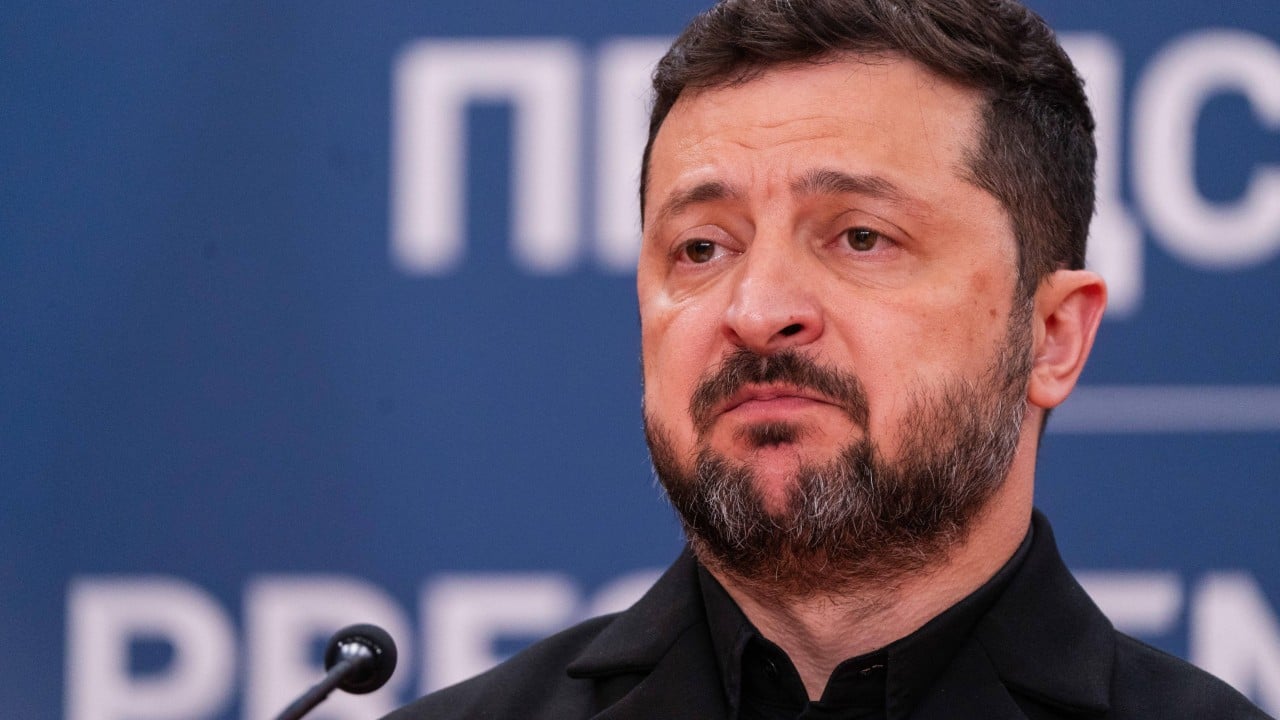
President Volodymyr Zelenskyy just signed a decree dismissing Iryna Mudra, a deputy head of his office. The timing couldn't be worse for a government already fighting a war on two fronts: one against Russian invaders and the other against a deep-seated culture of graft that threatens to erode international support.
Basically, the National Anti-Corruption Bureau (NABU) dropped a bombshell. They uncovered a criminal conspiracy involving high-level officials allegedly laundering 150 million hryvnias—roughly $3.4 million—to pay bail for a former energy minister already facing his own legal woes. While the agency didn't explicitly name Mudra as a suspect in their public releases, her dismissal happened within hours of reports that investigators were scouring her office. It isn’t a coincidence.
The Real Issue Behind the Headlines
Most people look at these firings and think it’s just housecleaning. It’s not.
This isn't just about one official or one specific bribe. It’s a symptom of a systemic governance crisis that has been simmering for months. The pressure on Zelenskyy is mounting from both inside his own inner circle and from former allies who are now turning into his most vocal critics.
Take Mykhailo Fedorov, for example. The recently ousted defense minister is now the loudest voice in the room. He’s calling for national elections, arguing that Ukraine needs a "safe and realistic mechanism" to restore democracy even during the invasion.
Fedorov’s pivot from loyalist to opposition firebrand is a massive signal. When a former minister who helped build your defense strategy starts publicly attacking your governance, you aren't just dealing with a few corrupt individuals anymore. You're dealing with a loss of control. He claims the current system is "focused on protecting itself" rather than winning the war. Whether you agree with him or not, that narrative is sticking with a public that’s tired of hearing about "private pockets" being lined with defense funds.
Why This Corruption Matters Now
You might wonder why this matters if the war is still raging.
War is expensive. Every dollar that disappears into a slush fund or an illegal scheme is a dollar that isn't buying drones, robots, or medical supplies for the frontline. Corruption in wartime isn't just a political headache—it is a direct threat to survival.
The public knows it, too. Protests have been bubbling in Kyiv. People are carrying signs, demanding accountability and asking why the same faces keep reappearing in different ministries. The "big reboot" of the cabinet, which promised a fresh start, is starting to feel like a reshuffle of the same deck.
Consider the "Midas" corruption case that emerged last year. It involved kickbacks in the nuclear energy sector and linked back to associates from Zelenskyy’s own pre-political career. That scandal didn't just go away; it set the tone for everything happening in 2026. Every time a new investigation lands, the public remembers the last one. The credibility gap is widening.
What Happens When The Dust Settles
So, where does this go from here?
Zelenskyy has moved quickly to replace key ministers—Maj Gen Yevhenii Khmara is the new defense minister, and Andrii Sybiha is staying on as foreign minister. He is trying to project stability. He needs to show Western partners that Ukraine can manage its own house.
However, replacing personnel won't solve the underlying issue. The system itself is resistant to change. If you want to understand what's next, stop watching the individual firings and start watching the legislative pushes for wartime election frameworks. If the government refuses to open that door, the friction between the presidential office and former loyalists like Fedorov will only increase.
For now, the government is betting on the strategy of "reshuffle and move on." It’s a risky play. If the corruption probes keep hitting closer and closer to the Office of the President, the defense of the nation will become inextricably linked to the survival of the administration.
If you're tracking this, pay close attention to the NABU investigations. They are the only independent actor left with real teeth. If they start naming names from the inner circle, the political fallout will be fast and likely permanent.
This isn't just a news story about a fired aide. It’s a stress test for a wartime government that is running out of room to maneuver.
Stay focused on the audit results. Follow the money. Ignore the PR statements from the presidential office and watch the anti-corruption agency's press releases. That’s where the real story is playing out.
/media/movies/covers/2024/11/reacher-poster.jpg)