International alliances are cracking under the weight of domestic political pressures. When US President Donald Trump decided to ease sanctions on Russian diesel to appease voters ahead of midterms, it sent a shockwave through international relations. Ukrainian President Volodymyr Zelenskyy didn't hold back, calling the deal a gift to Vladimir Putin. Trump fired back with insults, suggesting Kyiv needed a new leader altogether.
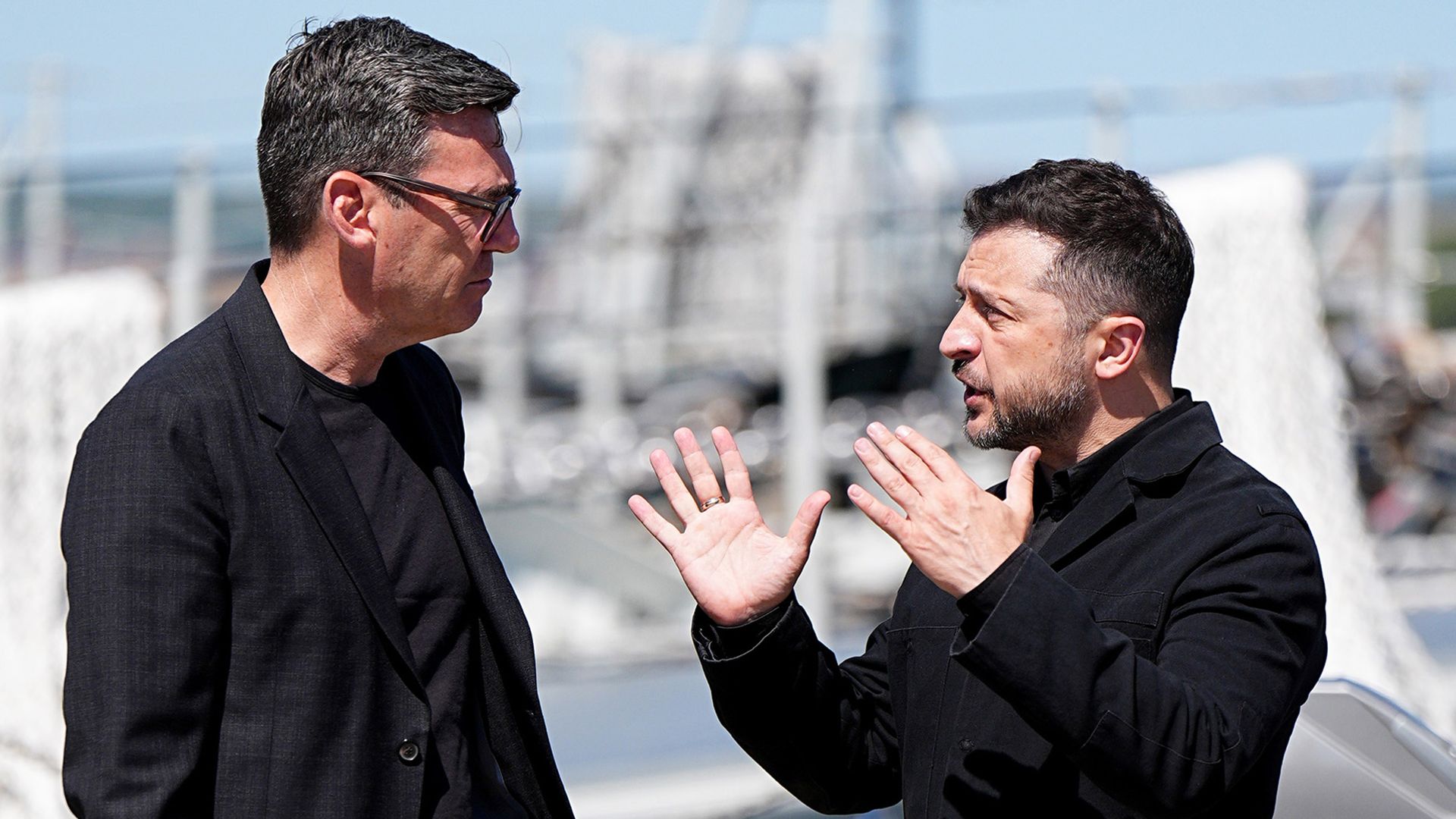
Now, British Prime Minister Andy Burnham is stepping into the diplomatic breach. Downing Street is welcoming Zelenskyy for high-stakes talks, backed by a firm promise of rock-solid UK support. If you've been wondering how European allies plan to navigate an increasingly hostile transatlantic rift over the war in Ukraine, this visit is the clearest sign yet.
Let's look at why this diplomatic collision happened and what it means for the future of Western unity.
The Diesel Deal That Sparked A Transatlantic Firestorm
To understand why Downing Street is rolling out the red carpet for Zelenskyy right now, you have to look at Washington's sudden pivot. Facing mounting pressure over rising fuel prices ahead of US midterms, the Trump administration moved to ease restrictions on Russian diesel imports.
The move caused immediate outrage in Kyiv. Zelenskyy publically condemned the agreement, arguing that loosening sanctions injects cash straight back into Moscow's war machine. Trump didn't take the criticism well. In typical fashion, he lashed out on the campaign trail, blaming Ukrainian leadership for the war and suggesting that Kyiv needs a new president.
This public feud exposed a massive chasm between Washington and its European partners. While the White House looks for pragmatic or politically convenient energy workarounds, European capitals are staring down an existential security threat on their doorstep.
Downing Street Responds With Complete Solidarity
Downing Street isn't staying quiet while the White House tries to sideline Ukrainian concerns. Following a direct phone call between Prime Minister Andy Burnham and Zelenskyy, UK officials made their stance unmistakable. Burnham offered complete solidarity, recognizing that Kyiv has faced an exhausting sequence of diplomatic blows and hostile rhetoric from its primary ally.
The UK's strategy relies on doubling down on pressure against Moscow rather than easing it. British officials have rolled out fresh designations targeting Russian assets and are actively coordinating further economic constraints. When Zelenskyy walks through the doors of Number 10, he isn't just looking for sympathy. He's looking for a reliable anchor in Western politics while Washington's commitment wavers.
Foreign Secretary Ed Miliband didn't sugarcoat the situation either, describing the past few days as a very difficult phase in relations with Washington. When allies start cutting bilateral energy deals with the aggressor state, the entire architecture of international sanctions starts to wobble.
What Most People Get Wrong About European Backing
A lot of commentators assume that European support for Ukraine will quietly wither if the US completely shifts its policy stance. That misses how deeply integrated European security has become with the outcome of this conflict.
Britain's political establishment views the security of Ukraine as inextricably linked to European stability as a whole. Stepping up diplomatic engagement and military backing isn't just an act of charity. It's a calculated defense of a continent-wide security architecture that took decades to build.
When Trump claims that Putin wants peace more than Kyiv does, or when intelligence-sharing rows flare up behind the scenes, European leaders know they have to fill the leadership vacuum. That's why Burnham's pledge of rock-solid support carries real weight. It signals that London is ready to act as a primary diplomatic voice for Kyiv in Western corridors of power, even when Washington decides to look the other way.
What Happens Next For Kyiv And London
The upcoming talks at Downing Street will move past photo ops and solidarity statements. Both leaders face urgent operational questions:
- How to maintain aggressive sanctions against Moscow while major global players seek loopholes.
- How to manage intelligence sharing and defense coordination independent of volatile US domestic cycles.
- How to present a unified European front ahead of upcoming international summits.
The transatlantic alliance isn't broken beyond repair, but it has entered a much more transactional and unpredictable era. Kyiv is learning that it cannot take American political backing for granted. Meanwhile, Britain is positioning itself as the steadfast partner Ukraine needs to keep the pressure on Moscow.
Watch how other European capitals respond in the coming days. If other nations follow London's lead, the diplomatic fallout from the diesel deal might end up cementing a stronger, more self-reliant European coalition rather than fracturing it.