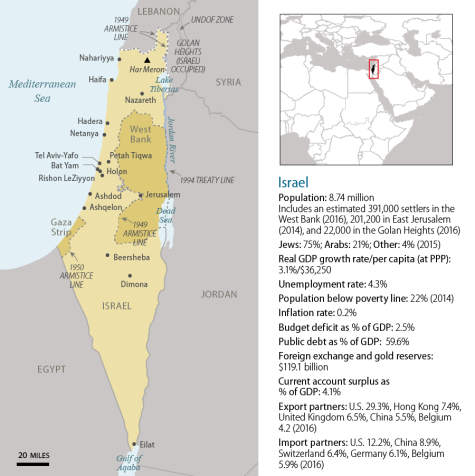
Foreign policy shifts rarely happen in a vacuum, but the recent British trade restrictions targeting West Bank settlements triggered an immediate and aggressive diplomatic fallout. When UK Foreign Secretary Ed Miliband announced a ban on imports originating from these territories, Israel didn't just issue a standard diplomatic protest. Instead, Foreign Minister Gideon Sa'ar moved swiftly to close the British Consulate in Jerusalem and remove British representatives from the International Gaza Support Centre.
You need to look past the surface headlines to understand why this specific policy move hit such a raw nerve in Jerusalem. The friction isn't simply about a small percentage of trade goods. It's about a shifting international consensus that threatens to isolate the Israeli banking and corporate sectors on a global scale. Meanwhile, you can find similar developments here: Why Netanyahu Just Ordered The Demolition Of West Bank Outposts.
What the UK Actually Banned
The UK's policy targets goods produced in illegal West Bank settlements, alongside sanctions directed at companies and individuals aiding settlement expansion. Economists point out that settlement products comprise a tiny fraction of total bilateral trade—accounting for roughly $11.1 million of the annual $8.1 billion trade volume between Britain and Israel.
On paper, the direct financial damage looks minor. So why did Israeli officials react with such fury? To explore the full picture, we recommend the detailed article by Associated Press.
The core fear inside Israel's financial sector involves collateral damage. Major Israeli banks finance public works and provide mortgages across the Green Line because local laws require them to serve all domestic clients. If Western nations begin penalizing any institution aiding settlement construction, international financial institutions might decide avoiding the entire Israeli banking ecosystem is safer than untangling compliance penalties.
The Diplomatic Domino Effect
Britain isn't acting alone. France and Canada have signaled alignment with similar restrictive measures, creating a coordinated front that worries Israeli leadership.
Far-right cabinet ministers like Bezalel Smotrich and Itamar Ben-Gvir immediately condemned the move, recognizing that Israel's economic ties to Europe remain vital. When a permanent UN Security Council member shifts its stance this sharply, it changes what other nations view as politically acceptable. European trade partners might follow suit, creating a chilling effect that extends far beyond the West Bank.
Political Timing and Domestic Pressure
The timing of these sanctions adds another layer of complexity. With Israeli elections approaching on October 27, critics argue that Western powers are intentionally applying pressure during a sensitive domestic window.
Prime Minister Benjamin Netanyahu's government framed the British actions as foreign interference in a sovereign election. Yet, international pressure continues to mount as Western governments try to keep the prospect of a two-state solution alive, regardless of the political cost in Jerusalem.
Expect this policy to ripple through international courts and corporate compliance departments for months. If you track global trade compliance, keep a close eye on how multinational banks handle Israeli financial institutions in the wake of these new regulatory hurdles.
Israel reacts furiously after UK sanctions West Bank settlements
This video provides direct news coverage and footage of Israel's sharp diplomatic retaliation following the UK's trade restrictions on West Bank settlements.
http://googleusercontent.com/youtube_content/1