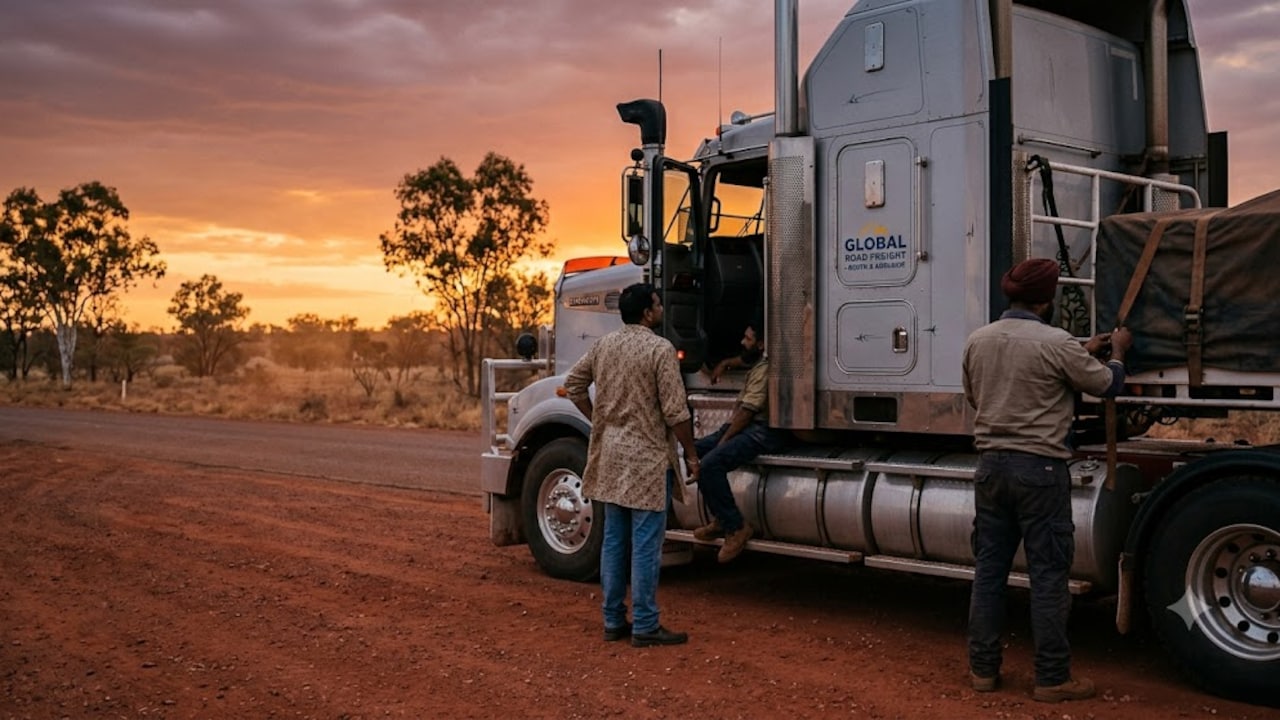
Australia has a massive shortage of truck drivers, but the migrant workers keeping the supply chains moving are paying a brutal price. A wave of targeted hostility against Indian-origin truckies is forcing industry leaders and government bodies to address a toxic subculture festering on the roads. From vile slurs broadcasted over public airwaves to physical sabotage, the situation has escalated from casual bigotry into a clear threat to highway safety.
If you think this is just a few isolated arguments at highway rest stops, you're wrong. It's systemic, it's loud, and it's dangerous.
What the Shocking Airwave Abuse Reveals
For decades, the Ultra High Frequency (UHF) radio has been an essential tool for Australian truck drivers. It is how they warn each other about accidents, sharing vital updates on road hazards or extreme weather. Now, that same safety tool has been hijacked by bigots.
Leaked audio files and viral videos reveal a horrific environment. Indian drivers routinely listen to death threats, explicit slurs, and coordinated harassment while driving massive B-double trucks. Some of the worst threats involve drivers talking openly about running migrant workers off the road or attacking their families.
This isn't harmless locker-room banter. When an operator is handling a vehicle weighing over 60 tonnes, they need total focus. Blaring racial aggression into their cabin directly compromises their decision-making and reaction times, putting everyone on the road at risk.
Sabotage and Social Media Incitement
The Australian Trucking Association (ATA) dropped a bombshell when it revealed that the harassment has moved from verbal abuse to physical tampering. Drivers in online groups are actively egging each other on to target trucks parked at rest stops.
The most terrifying tactic involves bigots cutting the air lines of trailers parked overnight.
- The Impact: If a driver doesn't notice a severed line during their morning pre-start check, they lose critical braking power.
- The Intent: This isn't vandalism; it's attempted murder on a highway.
Online spaces have weaponized this behavior. Private Facebook groups and forums act as echo chambers where any minor traffic mistake by a visible minority is captured on dashcam, uploaded, and used to condemn an entire community. Whenever an accident occurs, UHF users automatically blame Indian-origin drivers before emergency services even arrive.
Why the Scapegoating Exploded
The root of this tension comes down to a classic combination of economic anxiety and systemic policy failures. Australia relies on heavy transport to survive, but the older generation of drivers is retiring fast. The industry turned heavily to skilled migration to fill the gaps, bringing in thousands of experienced drivers from Punjab and other regions of India.
Unscrupulous fleet operators exploited the situation. They used visa vulnerabilities to underpay international drivers, forcing them into brutal shifts with minimal support. At the same time, inconsistent licensing standards across different Australian states meant some new arrivals were thrown into complex routes without sufficient local training.
Instead of pointing fingers at the greedy logistics companies or the flawed regulatory system, frustrated local drivers directed their anger at the new faces in the rest stops.
"The racists are very few in number, but they are incredibly loud," says a veteran Punjabi driver who has spent a decade on the East Coast routes. "The people who support us need to start speaking up just as loudly."
Peak Bodies and Regulators Draw a Line
The National Heavy Vehicle Regulator (NHVR) and the ATA have realized that ignoring the problem is no longer an option. They launched an industry-wide push demanding absolute respect and safety for all freight workers.
The crackdown focuses heavily on accountability. Companies are being told that turning a blind eye to racist behavior from their staff will have immediate commercial consequences. We have already seen major fuel and logistics firms instantly terminate contracts with sub-contractors caught posting racist tirades online.
The regulatory strategy relies on a mix of cultural shift and direct enforcement:
- Anonymous Reporting: The Heavy Vehicle Confidential Reporting Line (1800 931 785) is being promoted as a safe way for drivers to report physical sabotage, workplace bullying, or targeted harassment without fear of losing their jobs.
- Corporate Accountability: Fleet operators are implementing strict social media and workplace conduct policies, treating digital harassment with the same severity as on-site safety violations.
- The Diversity Drive: Programs like the Driving Change Diversity Program aim to reshape the industry narrative, reminding the community that Australia's supply chain has always relied on multicultural labor, from the historic camel drivers of the 1800s to modern logistics professionals.
Real Solutions Move Beyond Slogans
Issuing press releases about "mateship" isn't going to stop someone from cutting a brake line at a dark rest area. Fixing this requires aggressive, concrete changes to how the industry operates daily.
First, the licensing system needs a massive overhaul. We need a unified national standard for international heavy vehicle license conversions. This means mandatory local training hours that focus on Australia's unique road conditions, fatigue management laws, and specific route etiquettes before anyone can operate a multi-trailer rig. This sets international drivers up for success and takes away the "bad driving" excuse used by bigots.
Second, transport companies must actively protect their staff. If a driver reports severe, targeted abuse over the company-issued UHF radio, management must log the data and report it to the police. Treat digital and radio death threats exactly how they are treated under federal law: a criminal offense.
Check the air lines and tires every single time you return to your rig after a break. Download a dashcam app or install a multi-angle camera system that records even when the truck is turned off. If you hear hate speech or witness sabotage, do not engage or escalate the situation yourself. Document the time, location, truck registration number, or radio channel, and hand the evidence directly to the authorities and the NHVR reporting line. Safety on the road belongs to everyone, and weeding out the criminals hiding behind steering wheels is the only way to keep the freight moving.