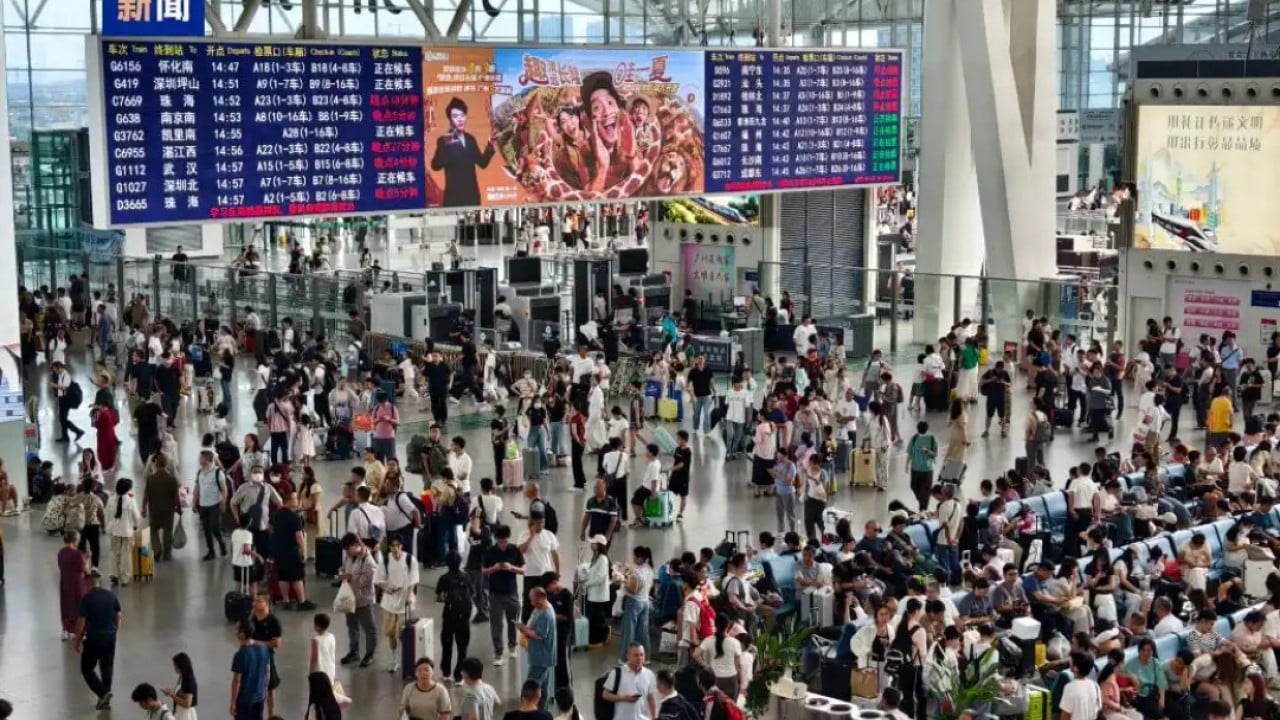
Southern China didn't get much warning before Typhoon Noul turned a scorching weekend into an emergency response zone.
If you're trying to figure out what's actually happening on the ground with Shenzhen rail and air services cancelled, you aren't alone. Flights are grounded, trains are stalled, and millions of residents are hunkering down. Let's break down what's going on as Typhoon Noul crashes into the coast. Recently making waves in related news: Why Romania Shooting Down Back To Back Drones Changes Everything For Nato.
The Ground Reality in Shenzhen and Guangdong
The National Meteorological Center didn't mess around, slapping an orange typhoon alert on the region. That's the second-highest warning level possible.
autoridades moved fast. By Friday evening, over 20,000 people were already evacuated across Guangdong province. Fishing boats scurried back to ports to dodge the worst of it. More details on this are explored by Al Jazeera.
If you were planning to travel through Shenzhen Bao'an International Airport or catch a high-speed train, your plans are wrecked. Airlines are adjusting schedules from Sunday morning through midday. Meanwhile, train services in Guangdong are halting entirely on Sunday after partial suspensions kicked off on Saturday morning.
Why Typhoon Noul Pack Such a Punch
Noul isn't your average quick-hitting squall. Forecasters point out that this storm features deep inland penetration, a stubbornly long duration, and brutal cumulative rainfall.
Maximum sustained winds near the center hit roughly 120 to 140 kilometres per hour. That’s enough power to tear down scaffolding—which already happened in nearby Hong Kong—and trigger flash floods or landslides across rugged terrain.
Neighbouring provinces like Fujian, Jiangxi, and Hunan aren't escaping the mess either. They're bracing for heavy downpours that will stretch deep into Monday.
What Travelers and Residents Should Do Now
Stop checking generic weather apps hoping for a change. If you're stuck in the affected zone, expect severe delays that will linger even after the eye of the storm passes.
- Check airline websites directly before heading to Shenzhen Bao'an or Hong Kong International Airport.
- Avoid all non-essential road and rail travel until local authorities lift emergency warnings.
- Secure outdoor items and stock up on essentials if you're riding it out at home.
The storm will pass, but the transit backlog will take days to clear out. Plan accordingly and stay put.



(mh=45C1wGtD-LV41OF8)12.jpg)