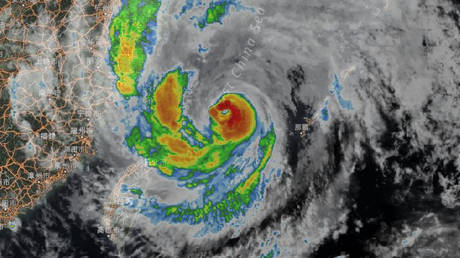
When Typhoon Dolphin slammed into Japan’s southern Okinawa prefecture, it didn’t just knock out power lines. It sent a violent reminder across East Asia that Mother Nature still runs the show.
The storm packed maximum sustained winds of 162 kilometers per hour, with terrifying gusts hitting 216 kph. If you’ve ever stood outside during a Category 3 equivalent storm, you know that numbers on a meteorological chart don’t capture the sheer acoustic violence of the wind tearing through concrete and steel. Five elderly residents in Okinawa suffered non-life-threatening injuries—mostly from being knocked flat by the brutal gusts—while over 14,000 buildings plunged into darkness. Japan Airlines and ANA instantly wiped out regional flights, grounding travelers as horizontal rain lashed Naha.
Yet, Japan is arguably the most typhoon-prepared nation on earth. If Okinawa felt the strain, what happens when a system like this targets continental infrastructure?
The Race Against Landfall in China
While Japan was mopping up debris, China’s eastern seaboard went into a full-scale lockdown mode. The China National Meteorological Centre tracked Dolphin on a northwest trajectory toward the coast, setting up a collision course between Zhoushan in Zhejiang province and Fuding in Fujian.
Beijing didn't wait to see if the storm would lose steam. Authorities raised coastal typhoon alerts to the maximum level. Major shipping hubs didn't just slow down—they stopped. Shanghai’s massive Yangshan port cleared out every single vessel by late Friday, turning a bustling global trade artery into an empty ghost town ahead of the swell.
Forecasters warned that eastern Zhejiang could swallow more than 600 millimeters of rain before the system exhausts itself. For context, that’s months of ordinary precipitation dumped in a matter of hours. Ningbo Lishe International Airport pulled the plug on all Sunday operations, and regional rail lines through the Yangtze River Delta prepared for total shutdowns.
The Geopolitical Crossfire in the Taiwan Strait
Natural disasters rarely stay neatly inside meteorological boundaries. As Dolphin churned across the open water, it dragged regional politics right into the eye of the storm.
Taiwan canceled 78 international flights as heavy rain battered its northern coasts. Meanwhile, Beijing issued strict traffic control edicts for any cargo ships or commercial vessels attempting to navigate the sensitive Taiwan Strait during the typhoon. Taipei hit back immediately, calling the demands absurd and pointing out that maritime law doesn't grant Beijing the right to shut down international waters.
When extreme weather collides with territorial disputes, emergency safety protocols turn into diplomatic flashpoints. Ships caught at sea aren't just dodging 8-meter waves; they're caught in a paperwork war over who holds authority on the water.
Preparing for What Comes Next
Dolphin isn't an isolated anomaly. It's part of a brutal summer weather cycle that has punished East Asia with contrasting extremes—pitting record-shattering heatwaves against sudden, violent tropical systems.
If you live anywhere along the path of these late-summer typhoons, waiting for an evacuation order is a rookie mistake. Monitor local meteorological agency updates hours before warnings turn red. Secure loose outdoor property immediately, stock up on essential emergency supplies that don't require electricity, and check your local transit authority feeds for sudden flight or rail suspensions before heading out.
The storm will pass, but the pattern won't. Stay alert.