Severe weather doesn't care about your tightly packed itinerary. When Typhoon Dolphin tore across the western Pacific, it didn't just churn up open water. It instantly exposed how quickly regional transit networks fracture when a major storm system takes aim at popular destinations like Okinawa.
If you had a flight booked out of Hong Kong to Japan, you likely spent early August refreshing airline apps in a panic. Let's look at what actually happened behind the headlines, why local authorities handled things the way they did, and what you can do to stop losing money to unpredictable storm seasons.
The Reality of Flight Cancellations in Hong Kong and Japan
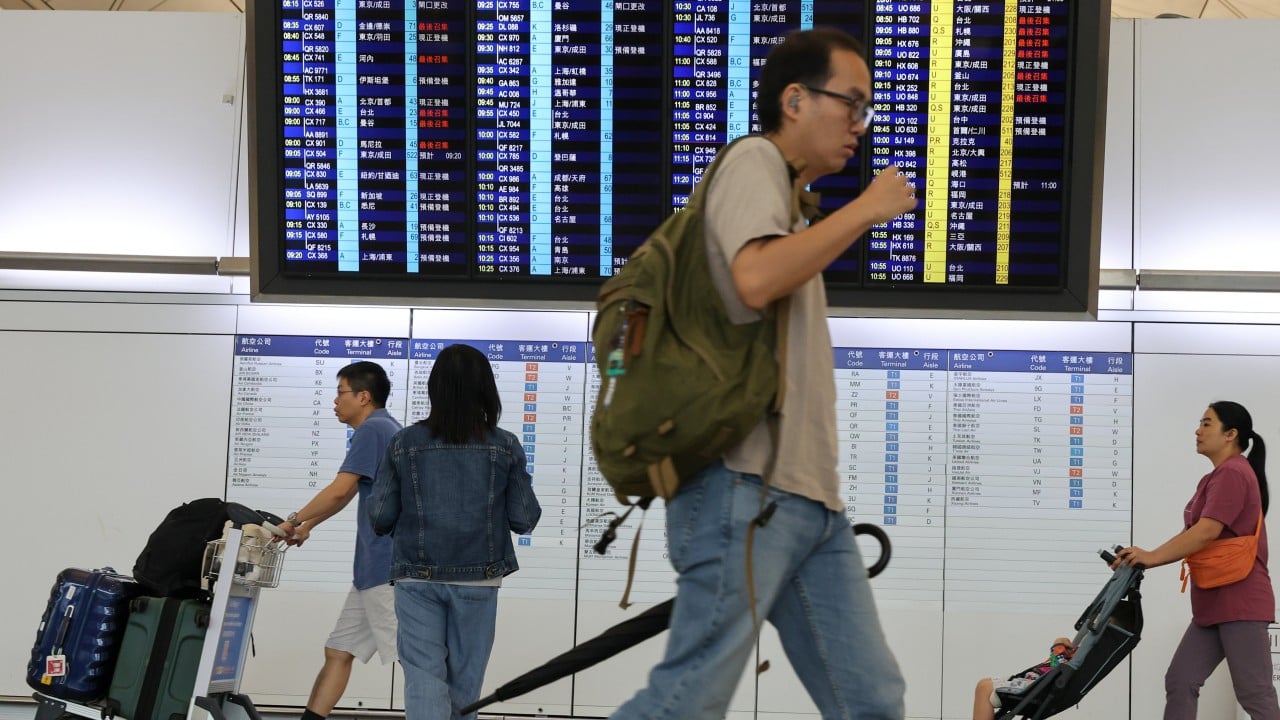
At least 18 flights connecting Hong Kong to Japanese hubs like Okinawa and Ishigaki were grounded. Budget carriers like Hong Kong Express and Greater Bay Airlines had to pull the plug on multiple rotations spanning August 6 through August 8.
People love to blame the airlines when this happens. Honestly, that's unfair. When a system packs maximum sustained winds hitting 162 kph with violent gusts up to 216 kph, landing a commercial jet turns into a dangerous gamble.
Carrier response strategies varied wildly under pressure:
- Hong Kong Express tried emergency mitigation by slotting extra departure windows ahead of the hard closures.
- Ground transport across Okinawa ground to an absolute halt, trapping roughly 35 travelers across multiple local tour groups inside their hotels.
- Major agencies like EGL Tours had to abruptly pivot from sightseeing schedules to indoor lockdown protocols.
Tourists weren't in physical danger because Japanese infrastructure handled the battering well, but business operations, meetings, and holiday leisure time evaporated within hours.
Why Hong Kong Slipped Past the Worst Local Weather Warning
While travelers heading outbound faced severe headaches, Hong Kong itself dodged a direct bullet. A common misconception is that a regional typhoon automatically triggers local signal warnings. That didn't happen here.
The Hong Kong Observatory kept signal flags down because another system, Tropical Cyclone Kujira, was lingering over the central South China Sea. Weather nerds watched a fascinating atmospheric tug-of-war unfold. Severe Typhoon Dolphin acted as a massive anchor, drawing Kujira eastward and forcing it to dissipate rather than mount a direct assault on the Pearl River Delta.
Instead of gale-force winds and torrential downpours, Hong Kong residents dealt with sweltering, fine heat. Local inland temperatures spiked, triggering sporadic thundery showers, but the city avoided airport gridlocks locally. The disruption was entirely export-driven—affecting people trying to cross borders rather than those staying put.
How to Protect Your Trips from Sudden Typhoon Chaos
Storm season across East Asia is entirely predictable in its timing, yet travelers treat every cancellation like an unexpected act of god. If you want to survive regional travel during peak typhoon months, you have to change your booking habits.
Stop booking rigid, non-refundable connections on budget carriers without checking travel insurance fine print. Most basic credit card policies will cover hotel extensions if you're stranded by a named storm, but they rarely cover missed business meetings or non-refundable event tickets.
Build a 48-hour buffer into any tight schedule. If you are flying in for a crucial corporate meeting or a tight cruise departure in Japan during August or September, arriving the exact same day is professional suicide.
Keep an eye on regional meteorological agency trackers out of Beijing, Tokyo, and Hong Kong simultaneously. Western weather apps often lag behind Asian meteorological updates by twelve critical hours when a cyclone shifts course.
Check your carrier's waiver policies the moment a storm gets a name. Airlines often open free change windows days before they officially cancel flights. Act fast before seats on surrounding days vanish completely.