Twenty-five states just walked into the U.S. Court of International Trade with a single message: the executive branch is playing legal gymnastics with import taxes.
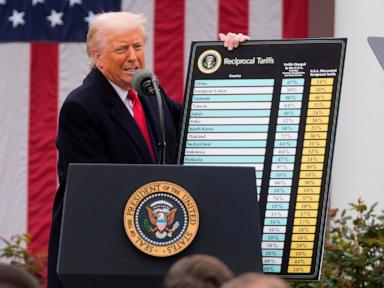
Led by New York Attorney General Letitia James, a massive coalition filed a lawsuit targeting the administration's fresh double-digit tariffs slapped on 59 countries and the European Union. The core argument is blunt. These duties aren't about combating forced labor; they are a transparent workaround designed to replace the emergency import taxes the Supreme Court already threw out. For an alternative look, check out: this related article.
If you run a business or buy consumer goods, this ongoing legal ping-pong directly impacts your bottom line. Let's break down what's actually happening behind the courtroom doors.
The Repeating Cycle Of Tariffs And Courtrooms
You might feel like you've seen this movie before. That's because you have. Further reporting on this matter has been shared by Business Insider.
Last year, the administration bypassed decades of trade norms by invoking the 1977 International Emergency Economic Powers Act (IEEPA). The justification was simple: America's trade deficit constituted a national emergency, giving the president sweeping authority to tax almost all foreign imports.
The Supreme Court didn't buy it. In February, the high court ruled that IEEPA never authorized the president to levy broad tariffs. That decision forced the federal government to issue checks refunding importers who had already paid the disputed duties.
Eager to recover that lost revenue and keep protectionist policies alive, the administration pivoted. First came temporary ten percent global tariffs. When those expired, officials turned a heavy page into Section 301 of the Trade Act of 1974, slapping 10% to 12.5% duties on nations accounting for the vast majority of American imports.
Why The States Call It A Pretext
The state attorneys general aren't waiting around to see how these new levies shake out. Their lawsuit argues that the forced-labor justification is nothing more than administrative camouflage.
New York's AG put it plainly, stating that the administration is trying to illegally raise taxes on families and businesses.
The math backs up the scale of the friction. The targeted countries represent over 99 percent of all U.S. imports. Critics and legal scholars point out that applying a statute meant for targeted trade infractions to nearly every trading partner on earth stretches the law past its breaking point. Small businesses have already filed separate challenges in the Court of International Trade, arguing that the government failed to establish a specific, individualized case against each penalized economy.
What Section 301 Means For The Legal Battle
Unlike the emergency powers statute struck down earlier this year, Section 301 has history. Presidents have utilized it for decades, most notably during the first Trump administration when it survived multiple legal challenges regarding Chinese imports.
White House defenders argue they are well within their rights. Spokespeople maintain that failing to penalize countries that allow goods produced by forced labor burdens domestic commerce and hurts American workers. They insist Section 301 remains a legally durable tool.
Even so, legal experts note a critical vulnerability. Reusing the same broad economic goals under a third consecutive statutory banner looks dangerously like a copy-paste strategy to bypass a lost Supreme Court battle. Courts require genuine investigative records and statutory guardrails, not just a reshuffled legal label for the same sweeping taxes.
Navigating The Chaos
If you import goods or manage supply chains tied to international markets, uncertainty is your baseline right now.
Keep a close eye on the Court of International Trade. If judges decide to issue an injunction, duties could change overnight or trigger another massive wave of retroactive refunds. Audit your current supplier dependencies, track your landed costs meticulously, and build cash flow buffers into your quarterly forecasts to handle sudden tariff adjustments.