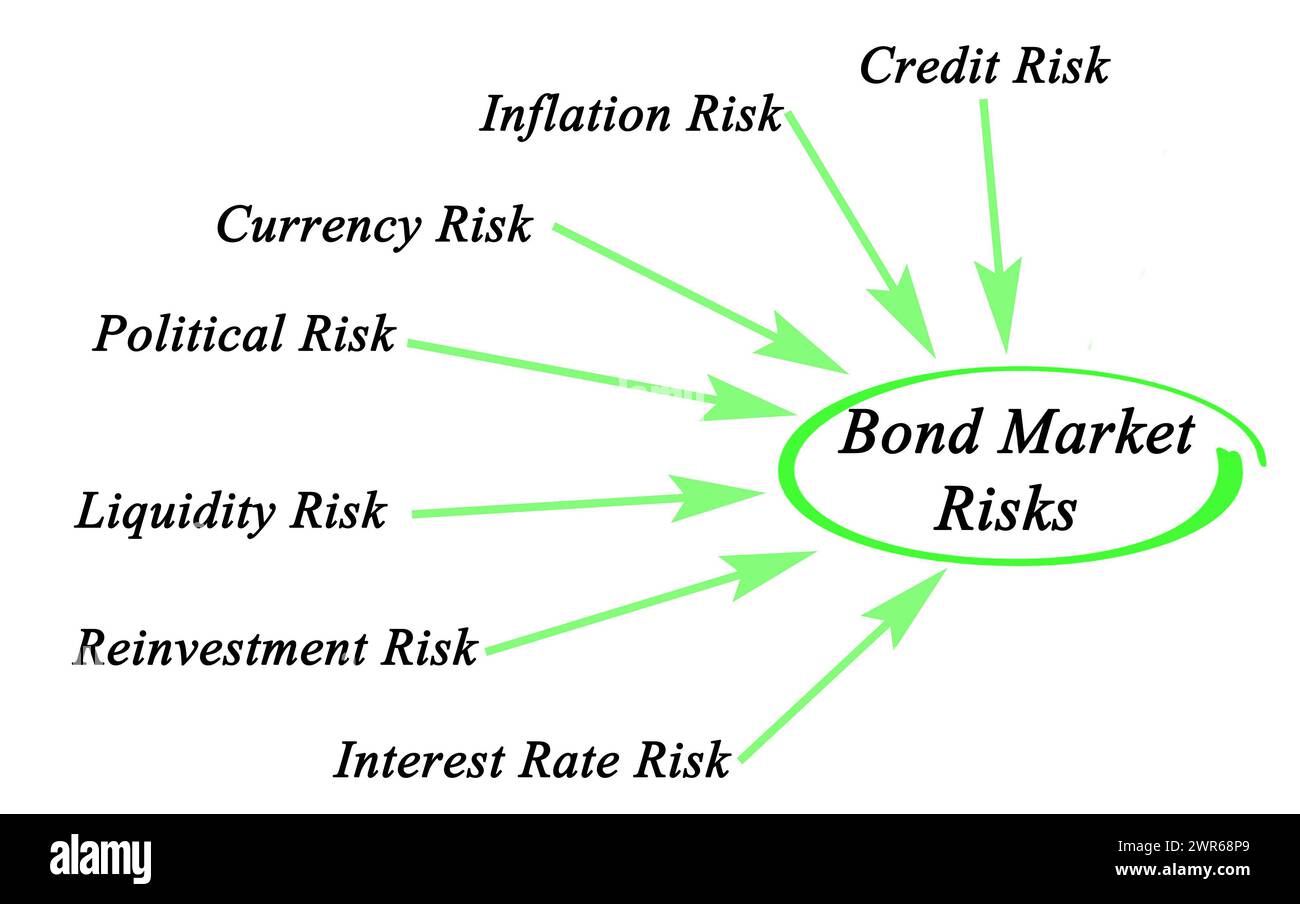
You cannot intimidate a spreadsheet. Governments and finance ministers keep learning this lesson the hard way, usually right after a brutal debt auction goes sideways. When a administration tries to strong-arm the world's most critical financial machinery, the machine simply fights back by demanding a higher risk premium.
Right now, US Treasury Secretary Scott Bessent is discovering that trying to boss the bond market around is an exercise in futility. With the US national debt piercing the forty-trillion-dollar ceiling for the first time, investors are refusing to buy the narrative that runaway fiscal expansion magically pays for itself. Instead of falling in line, the thirty-year Treasury yield has climbed past five percent, hitting levels not seen since 2007.
The playbook of financial bullying never changes, but neither does the outcome.
The Illusion of Control
When borrowing costs spike and debt issuance floods the financial system, desperate politicians and policymakers reach for short-term fixes. They stage unscheduled buybacks. They orchestrate strange currency interventions. They issue optimistic press releases insisting that economic growth will render towering pile-ups of debt irrelevant.
Bond investors despise surprises. Painstaking predictability keeps global debt markets functioning. When an administration throws sudden interventions into the mix—like the recent unscheduled US debt buybacks aimed at easing pressures on allies like Japan—investors don't see strength. They smell panic. They assume something somewhere in the plumbing has broken.
History shows that yelling at bond vigilantes accomplishes nothing. In the late twentieth century, political leaders routinely found out that fiscal irresponsibility meets a swift, unforgiving penalty in the fixed-income market. Today's traders are no different. They look past the political posturing, check the math on deficit trajectories, and keep selling.
Why Global Spillovers Happen Fast
US Treasuries form the foundational bedrock of the global financial system. When Washington loses control of its bond narrative, the shockwaves radiate instantly across international borders.
Other G7 nations are currently feeling the severe weight of this fallout. Ten-year and thirty-year borrowing costs across the UK, France, and Germany are scaling multi-decade peaks. When US yields soar, capital flees foreign debt markets to chase higher returns in America, dragging everyone else's domestic borrowing costs right up alongside it.
Consumers and businesses bear the ultimate burden of this standoff. Mortgages become punishingly expensive. Corporate loans tighten. Governments find themselves trapped in a vicious loop where surging interest payments devour the exact fiscal space they need to fund public investments.
The Clash Between Rhetoric and Reality
Politicians want low interest rates and high spending at the same time. The bond market operates on a much harsher principle: scarcity and risk dictate price.
When central banks and finance ministries try to argue with macroeconomic gravity, they lose credibility. Investors are already contending with persistent inflationary pressures stemming from geopolitical conflicts, massive corporate debt issuance from tech giants building out AI data centers, and a general lack of political appetite for genuine fiscal restraint.
Trying to talk yields down while simultaneously inflating the national debt is like trying to put out a grease fire with gasoline. Markets look at the divergence between official optimism and actual issuance data, and they price in the risk accordingly.
Confidence in safe-haven assets is a delicate ecosystem. Once investors start questioning whether core sovereign debt acts as a reliable shield during stress—noting how gold and other alternative hedges climb while Treasuries wobble—winning that trust back takes years of disciplined budgeting, not clever messaging.
Stop pretending that rhetoric can override arithmetic. The bond market always wins.