Hong Kong's illegal gambling scene just took a massive hit. You hear about underground betting rings all the time, but the latest crackdown at the Happy Valley Racecourse is on another level. I've tracked operations like this for years, and what stands out here isn't just the sheer number of arrests—it's the absolute audacity of the syndicate.
They weren't hiding in some dark basement. They were sitting right there in the grandstand.
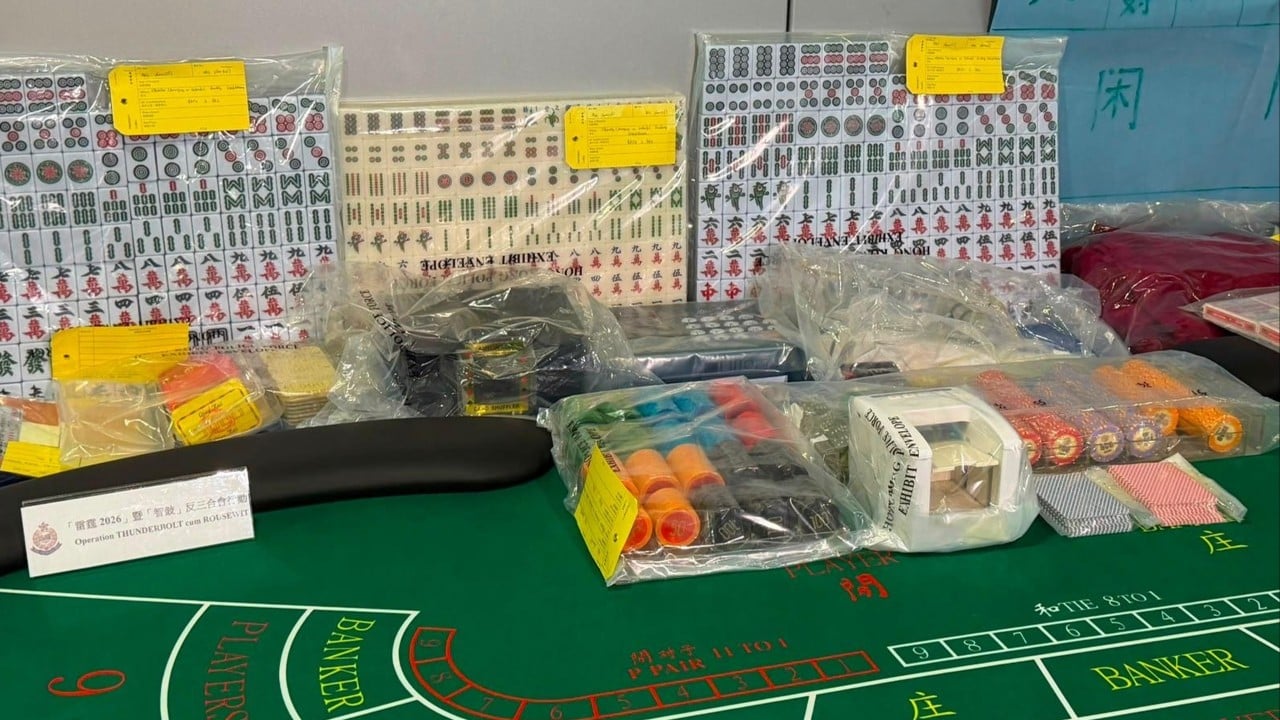
Between July 7 and July 20, Hong Kong police swept through the city under the banner of the joint "Thunderbolt 2026" operation. When the dust settled, 78 people were sitting in custody. The charges run the gamut from money laundering and triad membership to operating unlawful gambling dens.
Hiding in Plain Sight at Happy Valley
Here is the craziest part of the whole operation. Seven men actually treated the Happy Valley Racecourse like their own personal trading floor.
Starting around 2025, these suspects figured out a highly specific routine. They booked seats in the quieter, more secluded sections of the grandstand on race days. While legitimate punters were cheering on their horses, this crew was quietly tapping away on their mobile phones. They ran an illegal bookmaking operation right under the Hong Kong Jockey Club's nose, placing bets for clients through offshore gambling sites.
Why do this at the track instead of from a hotel room? It's simple. Being at the track gives you the atmosphere, the immediate live odds, and the ability to solicit high-rollers right where the action is. They act as human proxy bettors for people who either can't use legal channels or want to bet on credit lines the Jockey Club would never approve. In many cases, these syndicates offer better odds or massive credit extensions to keep gamblers hooked.
It didn't last long. The Jockey Club eventually caught on to the suspicious patterns and filed official complaints. Police swooped in on July 8 and grabbed the seven men. Six were mainland Chinese visitors holding two-way permits, while the local connection was a Hong Kong resident.
Tracing the Syndicate Connections
They're out on bail now. You can bet investigators are actively tearing through their phones and bank records. The authorities want to figure out exactly which larger criminal syndicate pulls their strings, because these seven guys were definitely not acting alone.
Criminal networks frequently use mainland visitors on two-way permits for this exact type of risky, frontline work. They are expendable to the syndicate bosses. If they get caught, the main operators in Hong Kong or Macau remain insulated. But financial forensics have gotten insanely good. The police are likely tracing every single IP address and crypto wallet connected to those mobile phones right now.
The Mechanics of Offshore Bookmaking
A lot of people misunderstand how these illegal bookmaking operations actually function. It's not just a guy with a notepad taking cash bets anymore.
The modern syndicate operates like a tech startup. They utilize white-label offshore gambling platforms. These are essentially ready-made websites hosted in jurisdictions with lax gambling laws. The syndicate buys access to the platform, customizes it, and then sets up a tiered agent system.
The guys sitting at Happy Valley were likely mid-level agents. They recruit players, issue them logins, and manage the credit lines. Players place their bets on the offshore site using their phones, but the actual money settlement happens offline. This is where the danger lies. Players are essentially borrowing money from triads. If you win, getting paid can be a nightmare. If you lose and can't pay, you aren't getting a polite letter from a collection agency. You get thugs showing up at your door.
The North Point Mini Casino
The racecourse wasn't the only target. You really can't run a sprawling vice network without a few hidden properties.
Police smashed their way into a residential flat in North Point that functioned as a full-service underground casino. We aren't talking about a few friends playing cards on a Friday night. This joint offered baccarat and mahjong tables, fully catered with food and drinks for the players.
It was highly lucrative. Preliminary numbers suggest the North Point den alone was turning over more than HK$400,000 (roughly US$51,000) every single month. That kind of cash flow usually points straight to organized crime. Police have already indicated that triad societies likely controlled the venue.
Triads absolutely love illegal gambling dens. They serve a dual purpose. First, they generate massive, untaxed cash flow. Second, they act as the perfect laundering mechanism for dirty money pulled from drug trafficking and extortion. You mix the drug cash with the gambling losses, and suddenly you have a semi-plausible explanation for your wealth. They use third-party "stooge" bank accounts to wash the money before it ever hits the main syndicate bosses.
The Biggest Misconceptions About Underground Casinos
A massive misconception I see repeatedly is who exactly frequents these places. People assume illegal dens are filled with hardened criminals. The truth? It is mostly regular people.
I've looked at the profiles of arrested punters over the years. You find restaurant workers, taxi drivers, and even office executives. They get lured in by the promise of free food, comped drinks, and a perceived relaxed atmosphere compared to formal casinos in Macau. The North Point setup perfectly exemplifies this. By offering free catering alongside mahjong and baccarat, the syndicate creates a comfortable, club-like environment.
But that comfort is a trap. The house edge in these places is notoriously rigged. Worse, illegal casinos often operate on predatory credit systems. They let you play on margin, knowing full well you can't cover a bad losing streak. When you inevitably go bust, the high-interest loans kick in. That is how triads trap everyday citizens into debt bondage, forcing them to turn over their bank accounts to be used as money mule accounts for laundering syndicate cash.
Understanding the Legal Consequences in Hong Kong
If you think a slap on the wrist awaits these operators, think again. Hong Kong laws regarding illegal gambling are brutal.
Under the Gambling Ordinance, operating an illegal gambling establishment is a massive offense. The maximum penalty is seven years in prison and a fine of HK$5 million. Even just being caught gambling inside one of these illegal dens carries a severe penalty. You could face up to nine months in prison and a HK$50,000 fine.
Illegal bookmaking is treated with equal severity. Betting with an illegal bookmaker—which is exactly what the clients of the Happy Valley crew were doing—can result in a HK$10,000 fine and three months of imprisonment just for the first conviction.
People routinely ruin their lives trying to chase slightly better odds. It is incredibly stupid.
Following the Digital Money Trail
If you think syndicates are still moving millions in briefcases, you're living in the past. Today's triad groups are heavily reliant on digital infrastructure.
During similar recent busts in Kwun Tong, police froze significant amounts of virtual currency directly from syndicate leaders' crypto wallets. They use stablecoins and unregulated exchanges to bypass Hong Kong's traditional banking system.
When the Happy Valley bookmakers were placing bets on their phones, they weren't just clicking buttons on a website. They were interfacing with a massive, decentralized financial network designed to obscure the source of funds. But police cybercrime units have adapted quickly. They don't just kick down doors anymore. They follow the blockchain ledgers. They subpoena internet service providers. They track the metadata attached to every single transaction.
The 78 arrests from Thunderbolt 2026 show exactly how aggressive this new approach is. By combining traditional street-level intelligence—like the complaints from the Jockey Club—with advanced financial forensics, authorities can dismantle the entire hierarchy.
Breaking Down Thunderbolt 2026
The 78 arrests weren't exclusively about illegal betting. The operation ripped through a wide cross-section of Hong Kong's criminal underground.
When you bust four different gambling establishments, you almost always find other illegal operations running side-by-side. Officers seized HK$500,000 (US$63,700) worth of narcotics during the two-week sweep.
The suspects arrested range in age from 16 all the way to 68. That massive age spread tells you everything you need to know about how these networks operate. They recruit teenagers for street-level tasks—acting as lookouts, delivering drugs, or holding money—while the older, experienced operators handle the serious cash and manage the VIP venues.
Operations like Thunderbolt 2026 are crucial because they don't just hit one node of the network. This is a massive joint effort spanning Guangdong, Hong Kong, and Macau. The strategy is to disrupt the entire supply chain. Taking down the gambling dens chokes off the immediate funding. Seizing the drugs hits their long-term profit margins. Freezing the bank accounts paralyzes their ability to pay the foot soldiers.
The Real Cost of Illegal Gambling
People often view illegal gambling as a victimless crime. It isn't.
Every dollar fed into an underground baccarat table in North Point or an offshore betting app at Happy Valley directly funds harder crimes. It pays for the drugs sold to teenagers. It finances human trafficking operations. It empowers triad societies to extort local businesses.
The illusion of safety with offshore betting sites is just that—an illusion. Punters think that because the servers are located in a different country, they are safe from prosecution. But the money has to move somehow. Whether you are using a local agent, bank transfers, or cryptocurrency, the financial trails are permanent. Once the police flip a mid-level agent, they get access to the entire client list.
If you're currently placing bets through offshore sites using local brokers, stop right now. Law enforcement isn't just going after the syndicate heads anymore. They actively monitor the digital footprints left behind by punters who mistakenly think offshore platforms keep them anonymous. Cancel any sketchy wire transfers, delete the illegal apps, and stick strictly to legal channels like the Hong Kong Jockey Club if you want to gamble. The risk of getting swept up in the next phase of Thunderbolt 2026 is simply too high.