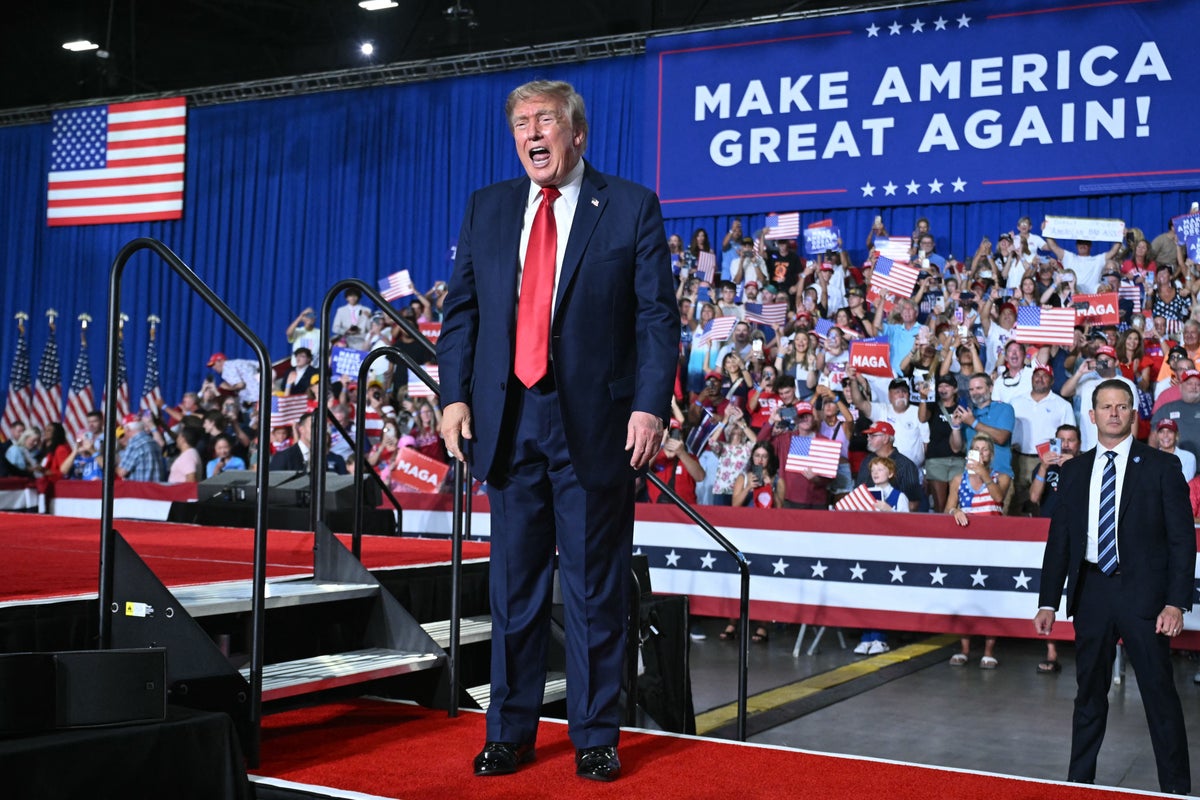
Donald Trump wants to run the Strait of Hormuz like a toll road.
Let that sink in. On July 13, 2026, the US president hopped on Truth Social and declared the United States the official "Guardian of the Hormuz Strait". In the same breath, he announced a plan to slap a 20% tariff—or "reimbursement fee"—on all cargo passing through the narrow, highly volatile waterway.
If you run a shipping company or track global oil prices, your jaw probably hit the floor.
Trump claims this is all about "fairness". He argues the US has spent decades protecting international shipping lanes for free while other wealthy nations reaped the rewards. Now, he wants America to get paid.
But this is not standard diplomacy. It is maritime privateering on a global scale. By treating a critical global chokepoint like a personal fiefdom, the administration is running a high-stakes protection racket that threatens to throw global energy markets into absolute chaos.
The $32 Million Shakedown
To understand how radical this proposal is, you have to look at the raw math.
Right now, oil sits around $80 a barrel. A standard supertanker carries about two million barrels of crude. Under Trump’s proposed 20% fee, a single fully loaded tanker passing through the Strait of Hormuz would owe the United States government roughly $32 million.
Let's put that in perspective.
Before this latest escalation, Iran was trying its own version of a shakedown, charging ships an ad hoc security fee of around $2 million per transit. The shipping industry called it extortion. Now, the US is swooping in and asking for sixteen times that amount.
It is a staggering sum. Industry insiders are already calling it highway robbery. If implemented, this levy would add about $16 to the price of every single barrel of crude oil passing through the strait.
Where does that cost go? Straight to the consumer. Your local gas station will feel this almost immediately.
How We Got Back to the Brink of War
This entire crisis erupted because a fragile peace deal went up in smoke.
Back in June, the US and Iran signed the Islamabad Memorandum of Understanding. It was supposed to be a temporary 60-day ceasefire. The US lifted its naval blockade, and Iran agreed to let ships pass through the strait without harassment. For a couple of weeks, things looked promising. Millions of barrels of oil started moving again.
Then the talks imploded.
Over the weekend of July 11, US and Iranian negotiators spent 11 hours locked in intense discussions. According to Trump, they had a "done deal". But within hours, the agreement fell apart. Iran reportedly demanded late-stage changes, and things quickly degenerated into military action.
Timeline of the July 2026 Escalation:
- July 11: Intense 11-hour negotiations end without a signature.
- July 12: Iran attacks tankers in the Strait; US retaliates with major airstrikes.
- July 13: Trump declares the US the "Guardian of the Hormuz Strait" and reinstates the blockade.
- July 14: Direct military exchanges continue as shipping traffic collapses.
By Monday, the US military was hitting Iranian radar sites, air defenses, and missile bases. Iran retaliated by launching cruise missiles at commercial tankers and attacking US-aligned targets across the region.
With the ceasefire dead, Trump decided to rewrite the rules of maritime law entirely.
Operating Like a High Seas Buccaneer
The competitor article in the Mirror compared Trump’s behavior to a buccaneer of the high seas. They aren't wrong.
Historically, buccaneers and privateers operated with a government license to disrupt enemy trade and enrich themselves. Trump’s "Guardian of the Strait" concept fits that description perfectly. He is using the unmatched power of the US Navy to seize control of an international shipping lane, block his adversaries, and demand a massive cut of the cargo values from everyone else.
It is a transactional, zero-sum view of geopolitics.
In Trump's eyes, the global security umbrella is a bad business deal where America gets ripped off. He doesn't see the strategic benefit of keeping global trade flowing smoothly. He only sees a massive, unpaid security bill.
This "pay-to-play" model of global security is incredibly dangerous. It turns the world’s finest navy into a mercenary force. It also sets a terrifying precedent. If the US can charge a 20% toll on international waterways, what stops China from doing the exact same thing in the South China Sea?
The Legal and Geopolitical Trainwreck
Here is the biggest problem with Trump’s plan: it is completely illegal under international law.
The International Maritime Organization immediately came out against the proposal. The group stands firmly against any mandatory tolls for ships transiting straits used for international navigation. Under the United Nations Convention on the Law of the Sea, ships have the right of transit passage through these choke points.
Trump’s policy completely ignores these frameworks.
Even our closest allies are deeply skeptical. European nations and Asian giants like India rely heavily on Persian Gulf oil. They do not want to pay a massive US surcharge on top of already soaring insurance premiums.
Meanwhile, Iran is laughing off the US demands. Iranian Foreign Minister Abbas Araghchi took to social media to mock the president's plan. He sarcastically agreed that whoever secures the strait should get paid, but claimed "Iran has always been the guardian" and argued Trump's 20% fee is simply too high.
It is a bizarre rhetorical battle, but the real-world consequences are deadly serious.
What Lies Ahead for the Global Economy
If you are trying to navigate this crisis, you need to prepare for a period of extreme volatility.
Do not expect a quick diplomatic resolution. The trust between Washington and Tehran is entirely gone. Trump has made it clear that he will keep striking Iranian targets until they capitulate. Iran has made it equally clear that they will fight back by targeting regional shipping and oil facilities.
Shipowners are already voting with their feet. MarineTraffic data shows that vessel activity through the Strait of Hormuz has plummeted by more than 50%. Insurance rates are skyrocketing, and many companies are refusing to send their crews into what has effectively become a war zone.
If you are an investor or business owner, here are the concrete steps you should take right now:
- Hedge against energy shocks. Oil is already climbing past $80 a barrel. If this blockade remains in place and the 20% fee is actually enforced, crude could easily spike into the triple digits. Look at energy sector hedges and prepare for sustained inflation.
- Reroute supply chains. If your business relies on raw materials or products moving through the Middle East, seek alternative routes immediately. The shipping slowdown in the Persian Gulf will create a massive bottleneck that will ripple through global ports for months.
- Expect market volatility. US stock markets are already dropping as investors digest the risk of a wider war. Keep a close eye on defense stocks, commodities, and logistics providers, as these sectors will experience the most intense swings.
Trump’s attempt to run the Strait of Hormuz like a private toll road is a massive gamble. By ignoring international law, alienating allies, and trying to extort the shipping industry, he isn't securing the waterway. He is turning a critical global bottleneck into an unpredictable, high-stakes combat zone.