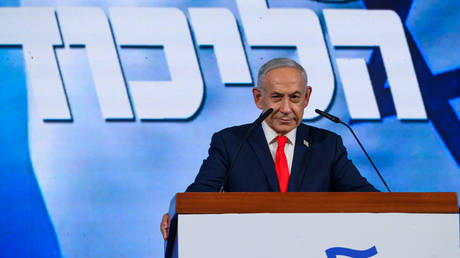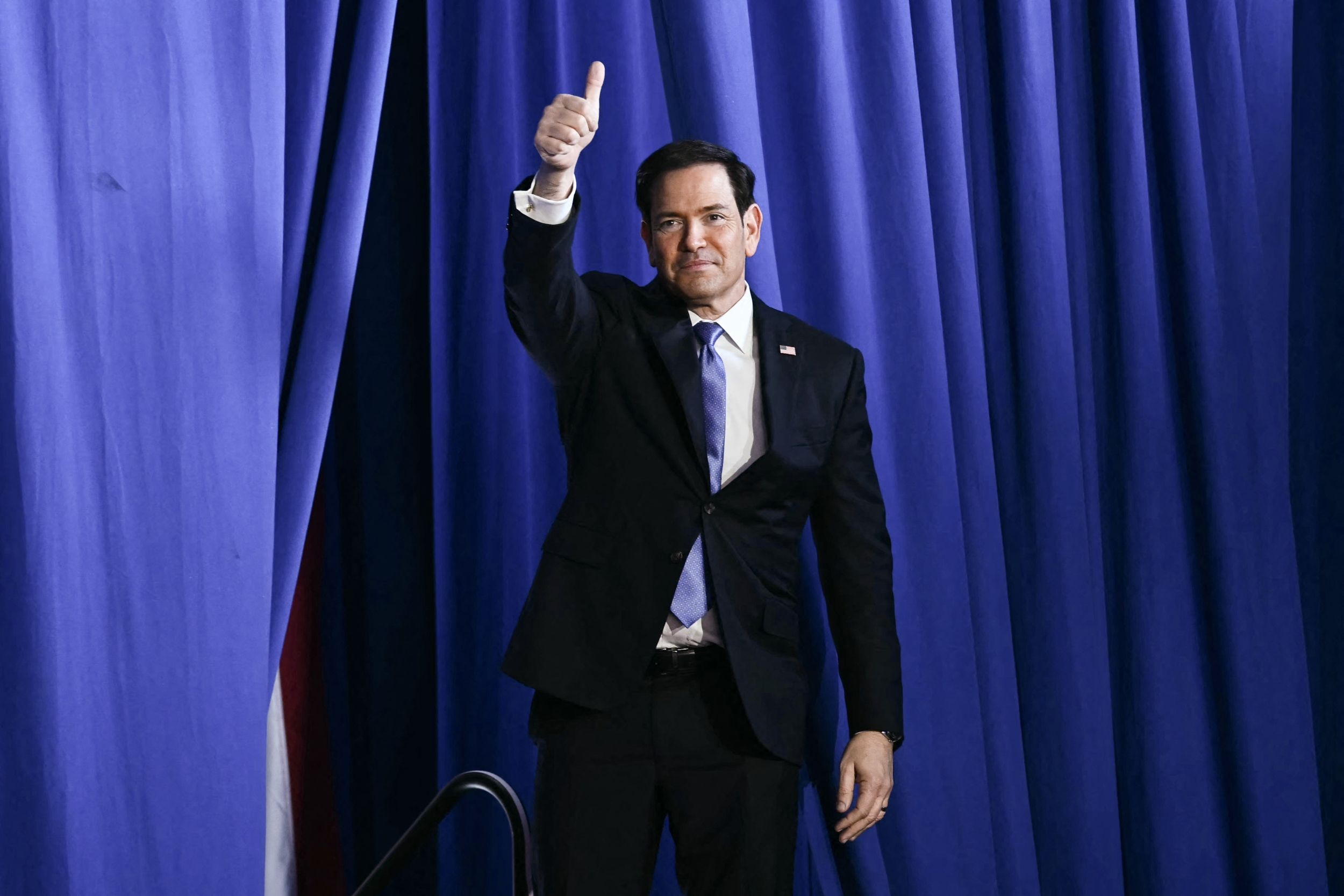
Elections leave countries divided, but the math following a vote often dictates who really holds the cards. Following Israel's recent inconclusive electoral outcome, attention has shifted rapidly from local polling booths to foreign capitals. Behind closed doors, Washington is signaling a hard line. Reports indicate that Donald Trump and his inner circle expect Prime Minister Benjamin Netanyahu to form a government that completely excludes far-right figures Itamar Ben-Gvir and Bezalel Smotrich.
If you look closely at how modern coalitions function, outside pressure rarely comes without a specific strategic price. Trump's opposition isn't just about political optics or bruised feelings; it revolves entirely around grand regional designs, specifically expanding the Abraham Accords and securing long-term normalization with Saudi Arabia.
The Core Conflict Over Regional Strategy
You cannot push for historic regional integration while simultaneously managing ministers who openly advocate for policies that alienate key Arab partners. Sources close to the American administration make it clear that ongoing tensions in the West Bank and issues surrounding settler violence directly undermine Washington's broader diplomatic playbook.
Netanyahu finds himself caught in a classic political squeeze. On one hand, he relies heavily on nationalist and religious factions to keep his right-wing bloc together. On the other hand, the numbers from the recent Knesset election delivered a messy deadlock. With neither side securing an outright majority, the pressure from American allies to pivot toward a broader unity government—potentially drawing in centrist figures—suddenly becomes much harder to ignore.
Why Ben-Gvir and Smotrich Are the Ultimate Stumbling Block
For years, Itamar Ben-Gvir and Bezalel Smotrich positioned themselves as kingmakers. They leveraged their parliamentary seats to pull Israeli policy sharply to the right. But that very positioning has turned them into toxic assets on the international stage.
European capitals and American stakeholders argue that keeping these figures in senior ministerial portfolios signals to the world that Israel isn't interested in changing course. Trump's team calculates that dropping them opens the door to a fresh political narrative. A government without the far-right elements allows Netanyahu to argue that a new page has turned, making diplomatic engagements with Riyadh and Washington significantly smoother.
Yet, domestic political reality rarely bends easily to foreign wishes. Leaders of the Israeli opposition, such as figures tied to the center-left and moderate blocs, have repeatedly vowed not to enter a government led by Netanyahu. Convincing seasoned politicians to cross that bridge will require immense horse-trading, cabinet concessions, and policy guarantees that go far beyond standard coalition agreements.
What Happens Next in Jerusalem
The immediate future of Israel's government depends on how Netanyahu manages his leverage with Washington. Trump provided vital political backing during the campaign, but gifts in politics always carry an invoice. Ignoring American demands risks freezing crucial diplomatic initiatives at a time when security and regional alliances matter most.
At the same time, sidelining Ben-Gvir and Smotrich risks fracturing Netanyahu's base. These nationalist factions command loyal, highly motivated constituencies that view any compromise with foreign leaders as an unacceptable surrender of sovereignty.
Navigating this narrow corridor requires clinical precision. Netanyahu has survived decades of political turbulence by outlasting his rivals and bending under pressure just enough to stay upright. This time, the stakes involve more than just surviving a parliamentary vote—they involve the entire architecture of Israel's foreign relations for the next decade.