Geopolitical maneuvers in the Middle East rarely stay local. When diplomatic channels open or close, the shockwaves hit energy markets and cargo vessels within hours. Recent reports indicate that Iran has been discussing proposals with regional mediators aimed at winding down hostilities and addressing the chokehold on the Strait of Hormuz.
Everyone wants to know if this is genuine diplomacy or just another tactical pause. Let's look past the political posturing and examine what is actually happening on the ground and at sea.
Why the Strait of Hormuz Matters More Than Ever
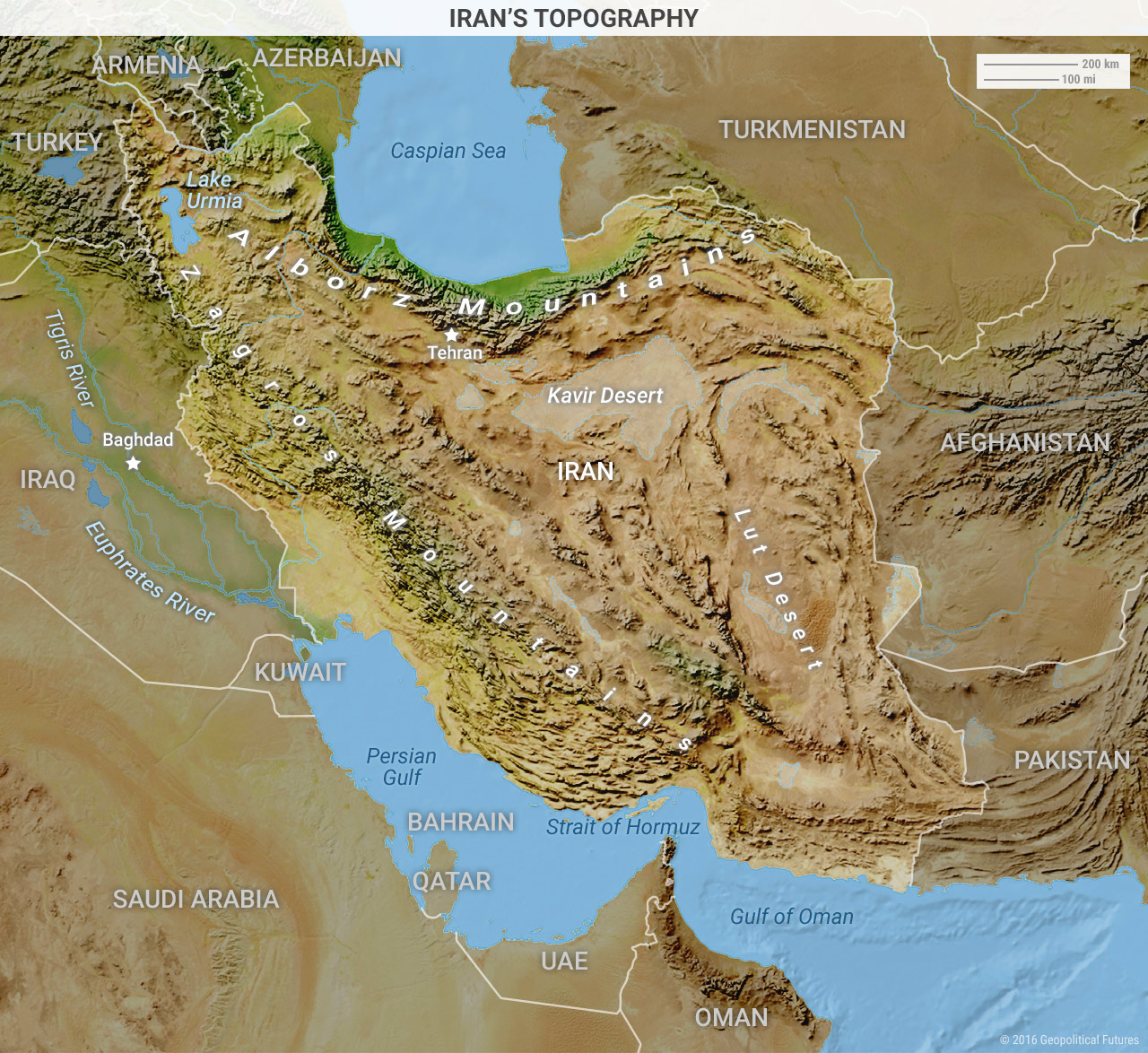
You cannot talk about global energy security without talking about a narrow stretch of water between Oman and Iran. Roughly a fifth of the world's petroleum passes through this corridor. When tensions flare and shipping lanes face threats or restrictions, crude prices spike instantly.
Carriers and insurers react faster than diplomats. Higher risk premiums translate directly to expensive fuel at pumps worldwide. Energy importers bear the brunt of these disruptions. That is why any serious discussion involving regional mediators to reopen or secure the Strait of Hormuz commands immediate attention from financial markets and logistics firms alike.
The Role of Mediators Behind the Scenes
Direct talks between adversaries are often impossible when domestic political pressures run high. That is where regional intermediaries step in. Countries like Qatar, Oman, and Iraq frequently act as diplomatic backchannels.
These mediators do heavy lifting. They shuttle messages, test boundaries, and draft preliminary frameworks that neither side can propose publicly without losing face. When Tehran engages with these intermediaries about ending active conflict scenarios, it signals an awareness of mounting economic and strategic costs.
Sanctions, infrastructure strain, and regional isolation take a heavy toll. Diplomacy becomes necessary when the alternative threatens total economic stagnation.
Skepticism and Real-World Complexities
Experienced observers know that diplomatic breakthroughs rarely happen overnight. Previous initiatives have collapsed due to sudden escalations or rigid demands on sovereignty and security guarantees.
Trust is low. Tehran wants relief from crippling economic measures and recognition of its regional posture. On the other side, Western allies and Gulf states demand verifiable commitments to halt aggressive actions and keep vital shipping lanes open permanently. A temporary freeze on hostilities is not the same as a lasting peace treaty.
Businesses operating global supply chains cannot afford to base their logistics on optimistic headlines. They need structural stability, clear insurance underwriting, and predictable maritime laws before routing multi-million-dollar cargo back through contested waters.
What to Watch Next
Keep an eye on maritime insurance rates and tanker tracking data rather than official press releases. Insurance syndicates adjust their war-risk premiums based on hard intelligence, not political optimism. If underwriters start slashing rates for vessels transiting the Persian Gulf, real security has returned.
Until then, treat these diplomatic whispers as a fragile first step rather than a done deal. Markets hate uncertainty, and the current situation demands cautious observation over blind hope.