The federal government is supposed to act as the steward of our collective history. When agencies plan massive construction projects, they have to follow a specific rulebook: Section 106 of the National Historic Preservation Act of 1966. It’s a tedious, bureaucratic process, but it ensures that before you bulldoze or build over something significant, you consult the public, tribal nations, and preservation experts.
Right now, that entire system is under fire.
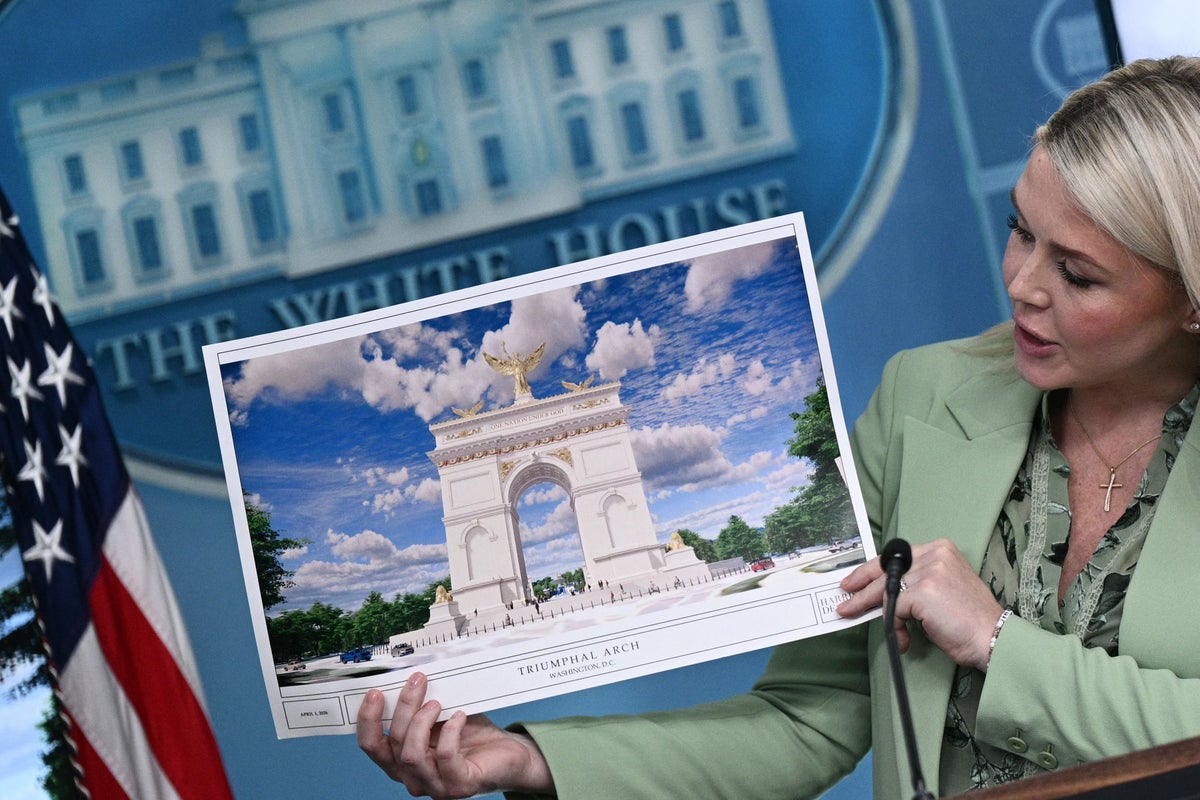
President Trump is pushing to build a 250-foot-tall “triumphal arch” on a traffic circle between the Lincoln Memorial and Arlington National Cemetery. The project has hit repeated snags—mostly because it violates height restrictions and threatens to ruin historic sightlines. To clear the path, the Advisory Council on Historic Preservation (ACHP), a small agency recently restocked with Trump appointees, is floating a proposal to fundamentally rewrite how these federal reviews work.
Basically, they want to make it much easier to build whatever they want, wherever they want, without hearing “no” from the public.
The Section 106 shortcut
The proposed regulatory changes are being framed as “modernization” or “streamlining” by the administration. In practice, they act as a massive loophole.
Under the current rules, federal agencies must actively seek ways to avoid, minimize, or mitigate damage to historic sites. It’s a collaborative process where objections actually matter. The new draft proposal from the ACHP aims to shift that power dynamic entirely:
- Optional consultation: The process of talking to states, tribes, and the public could become optional rather than mandatory.
- Narrowed definitions: The proposal would restrict what qualifies as a “historic property” to places that are “geographically compact” and human-made, potentially stripping protections from vast cultural landscapes.
- Unilateral decision-making: A new “memorandum of decision” would allow an agency to move forward on its own if an agreement isn’t reached, effectively silencing dissenting voices.
This isn't just about cutting red tape. It’s about removing the brakes from projects that many historians and veterans argue are fundamentally incompatible with the character of Washington, D.C..
Why the arch is the epicenter of this fight
The proposed triumphal arch is the perfect example of why this review process exists—and why the administration wants to kill it.
The structure is massive: 250 feet tall, topped with gilded eagles and a Lady Liberty-like figure. It is slated for Memorial Circle, a site explicitly designed to offer a clear, symbolic view between the Lincoln Memorial and the graves of those who fought to preserve the Union at Arlington.
Critics, including veterans’ groups, have pointed out the obvious: the arch doesn't just block the view; it disrupts the architectural dialogue between two of the most sacred sites in the country. The National Park Service’s own internal assessment concluded the arch would cause “adverse effects” by altering the character-defining settings of the National Mall.
Instead of adjusting the design to respect that history, the administration has spent the last year attacking the regulations themselves. They’ve argued that federal buildings shouldn't have to follow local height laws—despite the 1910 Height of Buildings Act—and they’ve pressed federal commissions to bypass standard congressional approval requirements.
A council of loyalists
The pivot to changing the rules wasn't an accident. It followed a deliberate staffing strategy.
In early 2026, President Trump appointed seven new members to the ACHP, including figures with strong ties to conservative policy groups like Citizens United. Travis Voyles, the council’s vice chair and a key architect of this push, has been aggressive about moving these changes to a vote.
Experts like Sara Bronin, a former ACHP chair under the Biden administration, have been scathing in their assessment. She labeled the draft “sloppy” and “ill-conceived,” warning that if these rules are adopted, they will almost certainly be struck down in court for violating the spirit of the National Historic Preservation Act.
How you can respond
If you’re concerned about the erosion of these protections, waiting for the courts is a slow strategy. Here is what is actually happening and how you can track it:
- Monitor the ACHP Federal Register: The council publishes proposed rule changes in the Federal Register. When they do, there is a mandatory public comment period. Use it. Agencies are legally required to read and summarize substantive comments.
- Contact your Representative: The ACHP is an independent agency, but it answers to Congress. If the council tries to bypass the original intent of the 1966 law, pressure from congressional oversight committees can force them to slow down or reconsider.
- Support local advocacy: Groups like the National Trust for Historic Preservation and the DC Preservation League are the ones filing the lawsuits and providing the expert testimony. They are currently the only entities providing a real check on these rapid regulatory changes.
The administration wants to treat Washington’s public spaces like private property. The only thing standing in the way is a set of federal regulations that were designed to prevent exactly this kind of power grab.