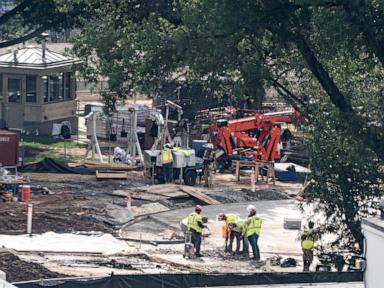
Just weeks after workers laid down an elaborate, custom-carved presidential seal on the South Lawn, jackhammers rolled in. The expensive White House helipad project hit a major wall.
If you looked at the South Lawn recently, you saw a massive dark gray granite trim forming a presidential seal. Now, you see rubble. Construction crews are actively tearing up the freshly installed stone, sparking instant questions about engineering headaches, project oversight, and timeline delays.
Why the White House Needed a New Helipad in the First Place
The whole ordeal started because of physics and a very expensive fleet of aircraft. Modern versions of Marine One are massive, powerful machines. When these newer Sikorsky-built helicopters set down on a traditional lawn, their exhaust vents aim intense heat downward. That blast basically rips the grass right out of the ground.
President Donald Trump pushed for a solid stone landing zone to stop the turf destruction. The budget for the upgrade is estimated to hit up to $6 million. Interestingly, taxpayer funds aren't footing the bill. Sikorsky Aircraft, a subsidiary of defense giant Lockheed Martin, agreed to pay for the construction because their aircraft caused the lawn damage.
Trump previously bragged about the design in the Oval Office, calling the carved granite slab a beautiful addition. He even suggested that the heavy-duty pad could pull double duty for other outdoor events like press conferences.
The Slant Problem That Forced the Tear-Down
So, why bring in the jackhammers? Reports indicate that the South Lawn's natural slope created an unexpected engineering hurdle. The ground features an incline that can reach up to 20 degrees in places. That grade completely violates standard federal guidelines for flat aircraft landing zones.
The initial slab simply wouldn't sit level. Rather than leaving a multi-million-dollar landing pad crooked, directives came down to rip out the work and correct the grading. That means destroying the prominent presidential seal that workers had just finished setting.
This sudden teardown is just the latest entry in a long line of property overhauls during Trump's second term. Other major projects include a massive 90,000-square-foot ballroom, stone paving over parts of the Rose Garden, interior marbling in the Palm Room, and an increasingly gilded Oval Office.
What Happens Next on the South Lawn
White House spokespeople maintain that ongoing property adjustments are meant to match the practical needs of the estate. However, ripping out a centerpiece carved from solid stone guarantees that the timeline is pushed back.
Contractors now have to fix the sub-grade slope issues before any new stone gets delivered. Until the grading is fixed, Marine One will keep dealing with landing limitations, and the South Lawn will remain a construction zone.