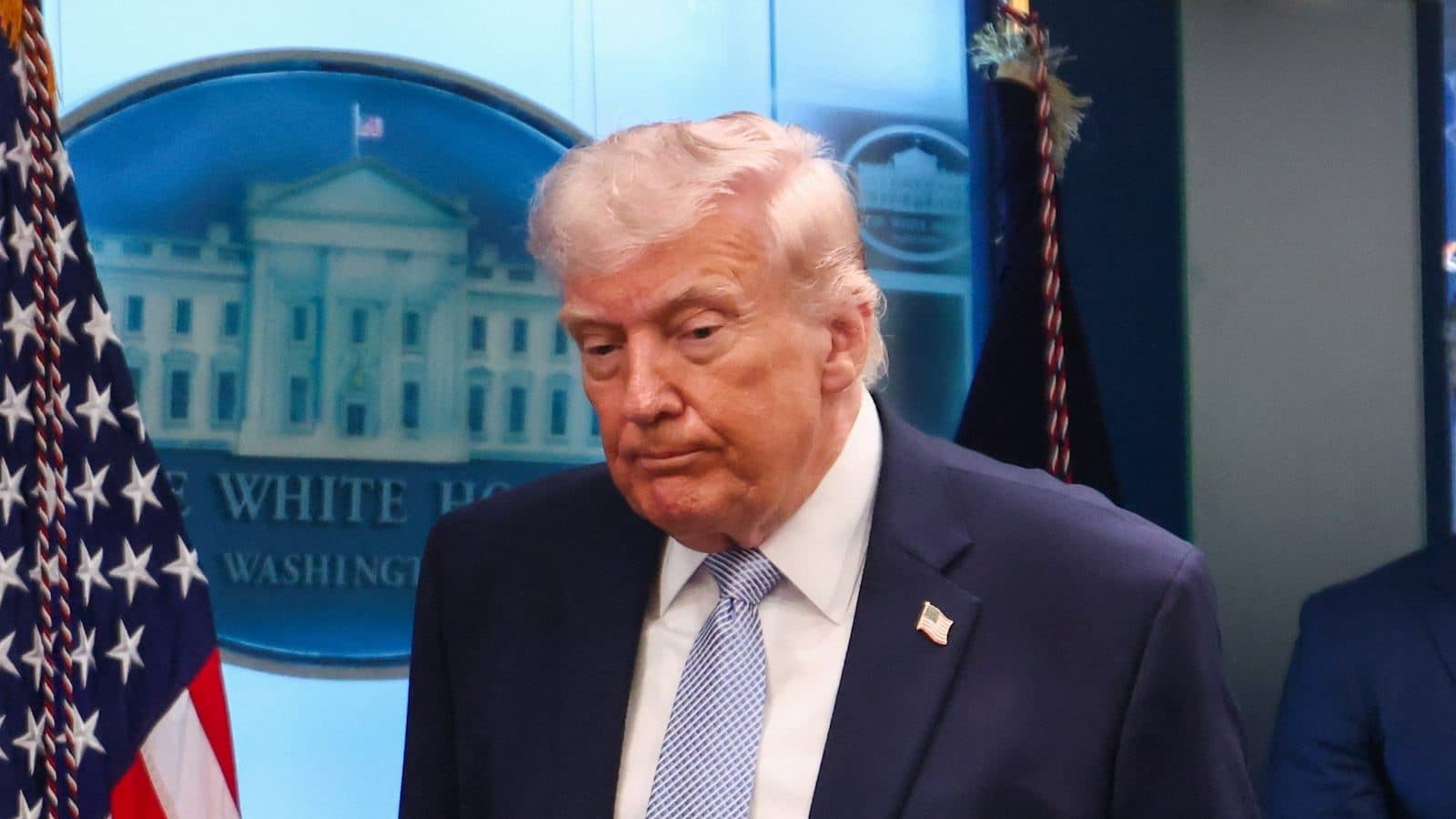
The rules of the global drone market just changed overnight. President Donald Trump signed a proclamation imposing steep tariffs reaching up to 100 percent on imported unmanned aircraft systems and their components, following a Commerce Department investigation led by Howard Lutnick.
If you think this is just another bureaucratic trade policy, look closer. Washington has concluded that America is dangerously over-reliant on foreign hardware, specifically Chinese manufacturing giants like DJI, which has historically commanded over two-thirds of the global market.
This move splits the market down the middle. Heavy-duty commercial and security drones face the maximum penalty, while supply chains scramble to adjust. Here is what is actually happening beneath the headlines and what it means for the industry moving forward.
Breaking Down the Numbers
Not all drones are created equal under the new executive action. The administration structured the tariff rates based on weight, capability, and country of origin.
- The 100 Percent Bracket: Drones exceeding 25 kilograms (about 55 pounds) or equipped with sensitive national security features—such as thermal imaging capabilities and dedicated docking stations—get hit with a heavy 100 percent ad valorem tariff. This tier takes effect just 21 days after the signing.
- The 25 Percent Bracket: Smaller drones lacking those high-end security risks, along with general non-sensitive components, face a 25 percent duty. These carry a 180-day grace period before taking effect.
- The Ally Caps: Imports originating from key strategic allies face capped rates. The European Union, Japan, South Korea, Taiwan, Switzerland, and Liechtenstein are capped at 15 percent. The United Kingdom secures a 10 percent rate, provided the underlying hardware and software originate locally or within the U.S.
The message from the White House is blunt. If your supply chain runs through regions flagged as security vulnerabilities, you are going to pay to play in the American market.
The Real Motivations Behind the Proclamation
Commerce Secretary Howard Lutnick’s Section 232 investigation under the Trade Expansion Act of 1962 laid the groundwork for this decision. The findings were predictable to anyone tracking defense supply chains: foreign import penetration is massive, domestic manufacturing cannot meet national security needs on its own, and reliance on adversarial supply lines creates an unacceptable risk.
We have watched this playbook before with semiconductors and solar panels. The strategy relies on protectionist policy to force domestic industrial scaling, even if it causes short-term price spikes and market friction. American companies have struggled for years to compete with the aggressively cheap mass production coming out of overseas factories. By pricing foreign competitors out, the government is artificially creating a protected ecosystem for local manufacturers.
Winners and Losers in the New Drone Economy
Markets react fast to policy shifts. Defense contractors and domestic hardware builders are already seeing major movement.
Companies like AeroVironment and Kratos Defense enjoy immediate advantages in pricing power and federal preference. Specialized players focusing on counter-drone technology and secure tactical hardware are positioned to capture budgets previously spent on foreign alternatives. Exchange-traded funds tracking modern defense and unmanned systems have felt the immediate upward pressure as institutional capital shifts toward domestic plays.
On the flip side, commercial operators take a direct hit. First responders, local police departments, and search-and-rescue teams that rely on affordable, off-the-shelf consumer and enterprise drones now face steep cost escalations. Smaller firms lacking the capital to absorb these tariffs or pivot their supply chains instantly will struggle to survive. Consumer drone hobbyists also get squeezed, as budget-friendly options lose their economic viability.
What to Do Next
If you run a business or manage operations relying on unmanned systems, waiting this out is a losing strategy.
Audit your bill of materials immediately. Identify every component sourced from restricted regions, check the country-of-origin rules for the 15 percent and 10 percent alliance exemptions, and calculate your exposure to the upcoming 180-day deadlines for non-sensitive parts. Shift your vendor discovery toward domestic or allied suppliers before the remaining grace periods expire. The era of cheap, frictionless global sourcing for unmanned tech is officially closed.