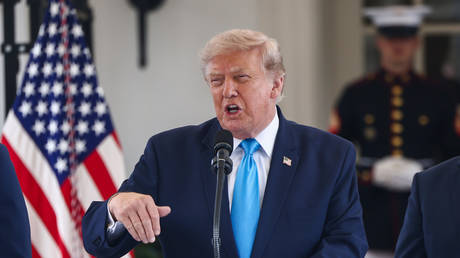
Donald Trump just pulled back from the brink of a massive military escalation in the Middle East, claiming he halted imminent strikes against Iran after regional partners intervened.
If you tracked the weekend headlines, the narrative shifted from "locked and loaded" to a sudden diplomatic pause almost overnight. According to announcements posted on Truth Social, the US president agreed to hold off on punishing bombing runs targeting Iranian infrastructure. Why? Because Middle Eastern capitals panicked.
Let's look at what actually forced this reversal.
The Pressure Behind the Pause
The official line paints a picture of cooperative diplomacy. Trump claimed that both Tehran and various regional governments reached out, asking for a timeout to hammer out a rapid deal. But reality on the ground was far messier.
Saudi Arabia’s Crown Prince Mohammed bin Salman jumped on the phone with Washington to express deep alarm. Riyadh had good reason to sweat. The looming US-Israeli air campaign—slated to hit energy installations and power grids—carried a terrifying side effect for the Gulf: immediate Iranian retaliation against local oil fields and civilian hubs.
Kuwait reported incoming drone activity, and ships faced attacks near the Strait of Hormuz. The war was threatening to swallow the entire neighborhood. When regional economic powerhouses realize their own glass towers are within range of cheap Iranian drones, policy changes fast.
What the Proposed Deal Entails
Trump tied his decision to cancel the immediate bombardment to a conditional framework. The terms sound familiar to anyone watching this months-long conflict:
- An immediate reopening of the Strait of Hormuz for global shipping.
- A total end to the Iranian nuclear threat.
- A framework to wrap up the broader five-month military standoff.
Yet, skepticism remains the default setting for anyone paying attention. Prime Minister Benjamin Netanyahu’s government in Israel has a history of distancing itself from sudden US-brokered arrangements that don't fully match security objectives. While Trump insisted Israel backs the move, matching Washington's timeline with Jerusalem's operational goals is rarely seamless.
The Real Cost of Escalation
Financial markets were bracing for impact. Reports indicated that planners considered wrapping up the weekend military operations before trading floors opened on Monday morning. Global energy prices cannot handle prolonged strikes on refineries without severe shocks rippling into consumer gas pumps worldwide.
Trump loves the high-stakes theater of being "locked and loaded", but the structural vulnerability of Gulf infrastructure acts as a permanent brake on total destruction. You can project all the military might you want, but when regional allies make it clear that a strike triggers an economic disaster in their own backyards, the calculation changes.
The ball is now in motion for a rushed diplomatic settlement. Whether Tehran actually follows through on opening waterways and shelving nuclear ambitions under this kind of pressure is another question entirely.
Keep an eye on shipping insurance rates in the Gulf and emergency diplomatic cables over the next forty-eight hours. That will tell you if this deal has legs or if the bombers are just sitting on a shorter leash.

:max_bytes(150000):strip_icc()/Untitled_Panorama13-bd44b39ffc06438f8d5490caeab65fcb.jpg)