Months of heavy bombing haven't broken Tehran's resolve. Now, Washington is dusting off its old playbook.
President Donald Trump spent years criticizing past administrations for relying on economic penalties to curb Iran's nuclear ambitions. He argued that decades of financial squeeze—dating back to the late 1970s—ultimately failed to stop them. Yet, here we are. With military strategies stalling and key weapon stockpiles running thin, the administration is pivoting right back to financial warfare. Discover more on a related subject: this related article.
You have to wonder how a strategy dismissed as useless a week ago suddenly becomes the main exit plan. The reality on the ground forces awkward reversals. Let's look at why this shift is happening and what it actually means for the conflict.
The Limits of Air Power and Dwindling Stockpiles
When the military campaign launched on February 28, the promise was straightforward. Aerial assaults, drone strikes, and missile salvos were supposed to force a quick capitulation. That didn't happen. Further analysis by Reuters delves into comparable perspectives on this issue.
Instead, the conflict settled into a grinding stalemate. U.S. weapon inventories are dwindling, which limits how long high-intensity air campaigns can continue without risking readiness elsewhere. Diplomacy has hit walls repeatedly, leaving the White House scrambling for leverage.
Enter the economic card. Administration officials now argue that months of targeting energy infrastructure have pushed Iran's economy to a breaking point. Treasury Department figures indicate that Iranian oil loadings dropped from roughly 1.8 million barrels per day before the conflict down to under 500,000 barrels per day over the past month.
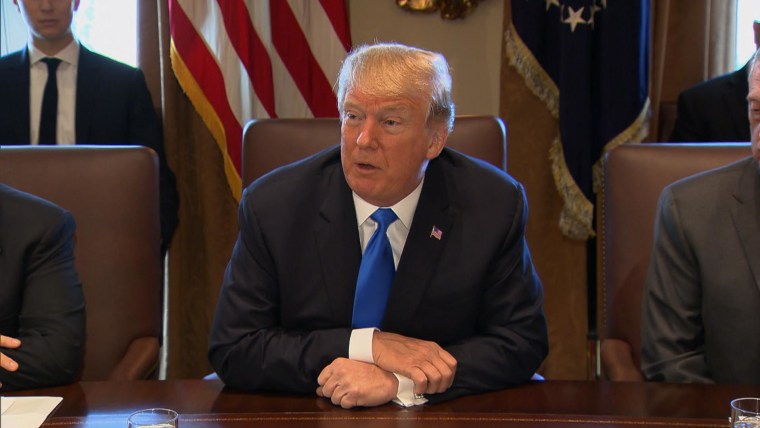
Trump insists this financial isolation will do what bombs alone could not. "They have no money," Trump told reporters recently. "Iran is broke, totally broke."
The Contradiction in the White House Strategy
There is a glaring contradiction in this pivot. Trump has repeatedly mocked the 50-year history of American sanctions against Iran, arguing they were too weak and too slow to matter. Critics point out that financial blockades are inherently long-term strategies. They don't halt active military conflicts overnight.
Richard Nephew, a former sanctions expert, notes that the administration still lacks a coherent, clearly articulated objective. Is the goal stopping a nuclear weapon? Is it clearing the Strait of Hormuz? Or is it halting ballistic missile development? Shifting justifications make it hard to measure success.
When Washington cannot secure a quick military win or a diplomatic breakthrough, it defaults to tightening financial screws. Iranian Foreign Ministry spokesman Esmaeil Baqaei captured this sentiment sharply on social media, noting that whenever diplomacy fails, Washington simply increases the dose of sanctions like a bad habit.
Economic Fallout and Global Energy Pressures
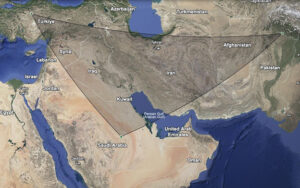
This renewed focus on economic strangulation isn't happening in a vacuum. The Strait of Hormuz—responsible for moving roughly 20 percent of global oil supplies before hostilities began—remains heavily disrupted.
Attempts to fully reopen the vital waterway have repeatedly failed because it serves as Tehran's primary piece of leverage. When Trump signals that financial pressure and naval blockades will intensify, global markets react immediately. Crude oil prices climbed following comments about tightening the squeeze, driven by fears that fewer tankers will safely traverse the region.
Higher energy costs bleed directly into global inflation. While Washington claims inflation inside Iran has skyrocketed past 300 percent, prolonged energy supply restrictions also hurt consumers back home and among allied nations. Sanctions might starve a government of cash, but they also introduce volatility that ripples through every gas pump worldwide.
What Happens Next
The administration is betting that financial exhaustion will force Tehran back to the negotiating table on American terms. Trump recently added a new demand to the mix, insisting that any peace talks must include financial compensation for the United States, mirroring what Iran is asking for.
Yet history suggests that isolated regimes find ways to adapt, bypass restrictions through grey-market brokers, or simply hunker down. If sanctions fail to produce a swift political surrender, Washington will run out of easy pivots.
Watch the oil flow data and shipping insurance rates in the coming weeks. Those metrics will tell you whether financial pressure is actually working or if this latest strategy is just another temporary fix for a war without a clear exit.