Diplomacy sounds great in a boardroom. It looks completely different from a basement shelter in Kyiv.
When Donald Trump and Vladimir Putin wrapped up an hour-long phone conversation, Washington envoys claimed real momentum toward peace. Meanwhile, air raid sirens wailed across Ukraine as another wave of Russian drones cut through the night sky.
If you are trying to understand the massive disconnect between American shuttle diplomacy and the grim reality on the ground, you have to look past the press releases. The gap between what US negotiators think they are achieving and what Ukrainians are actually surviving is wider than ever.
The Train Ride to Kyiv and a Pointed Question
U.S. envoys Steve Witkoff and Jared Kushner traveled to Ukraine by train for the first time, marking a sharp pivot after roughly eight trips to Moscow without ever stepping foot in Kyiv. They sat down with President Volodymyr Zelenskyy for three rounds of intense talks.
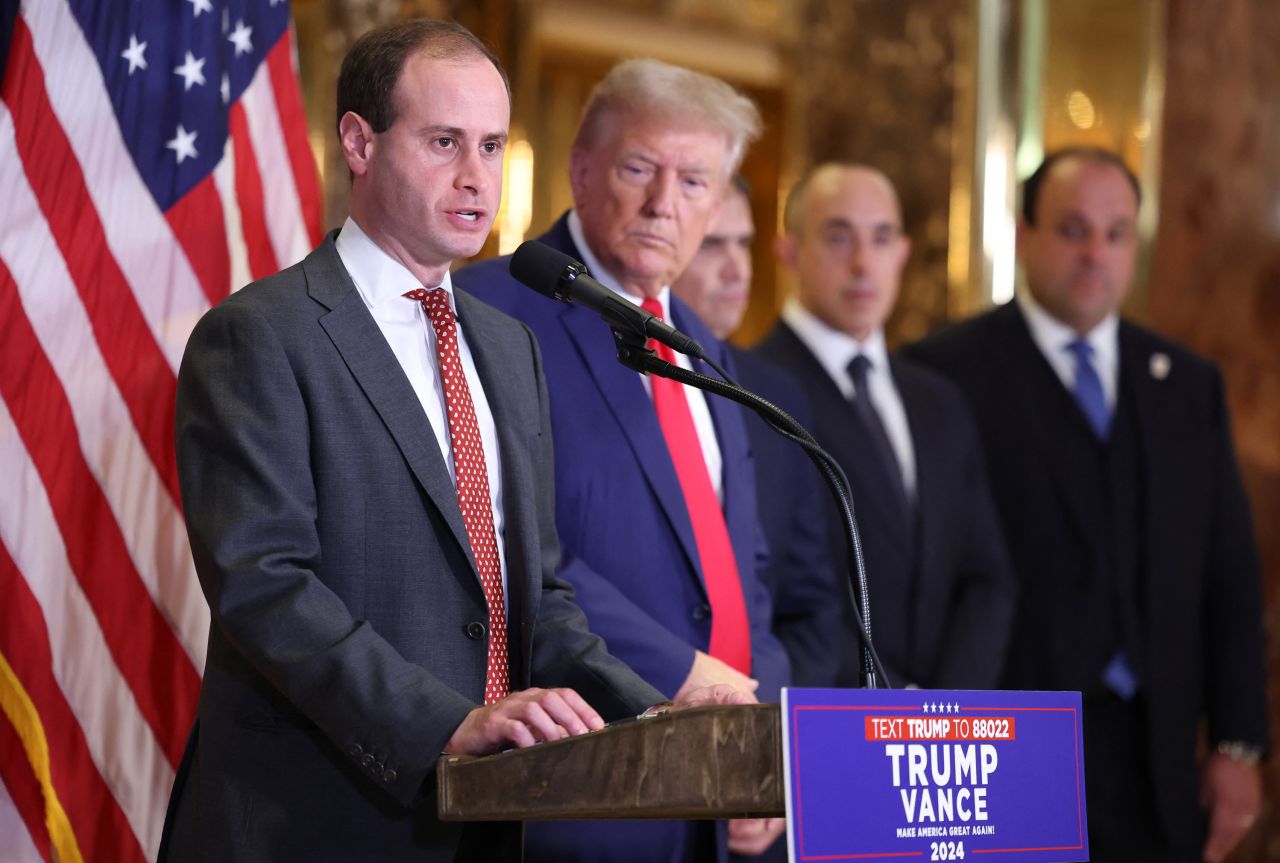
Things got testy during the post-meeting press conference. Newsmax reporter Shelby Wilder pressed the envoys on a brutal truth: while Washington talks up negotiations, Russia has intensified hybrid attacks against NATO, strengthened ties with Iran and North Korea, and escalated the war.
Kushner leaned on a corporate framework to defend the diplomatic push. He argued that Trump approaches negotiations from a business background, viewing conflicts as negative-sum games where everyone loses. The goal, according to this view, is to construct a win-win scenario that satisfies both sides' core interests.
That framing infuriates many Ukrainians. Yuriy Boyechko, founder and CEO of Hope for Ukraine, didn't mince words about the danger of treating both nations as equal business partners.
"The whole positioning of having this as a win-win solution, kind of equalizing Russia with Ukraine, where Russia is as an aggressor and Ukraine as a victim... that's, I think, a wrong approach," Boyechko noted.
The Subtext at St. Sophia's Cathedral
Location matters in geopolitics. Ukraine's choice of venue for receiving the American delegation carried a sharp historical message.
They met at St. Sophia's Cathedral, founded in 1037. For context, that is roughly a century before Moscow even appeared in written history. It was a calculated, quiet reminder to the Washington delegation that Ukraine’s roots run deep, independent of its eastern neighbor.
Boyechko pointed out that transactional negotiators might miss the cultural weight of these choices.
"They look at everything through real estate plans," he said.
That transactional lens explains why Washington sees structural progress while local citizens see an ongoing execution of terror. Witkoff emerged from meetings claiming that Moscow offered fresh ideas and that both sides simply need to compromise to narrow their differences.
The Ceasefire That Wasn't
Moscow promised to hold its fire on Kyiv while the diplomatic tracks played out. It took mere hours for that promise to crumble.
As soon as the American delegation departed, Russia broke the temporary local ceasefire. Drone strikes slammed into urban areas, threatening the four million residents trying to survive daily life in the capital. After nearly five years of relentless destruction, empty promises carry zero weight. Ukrainians are running on skepticism, not diplomatic optimism.
If you want a realistic assessment of the conflict, stop listening to optimists talk about ingredients for a breakthrough. Look at the sky over Kyiv. Until real enforcement matches the rhetoric, peace talks remain just another form of theater while the drones keep flying.