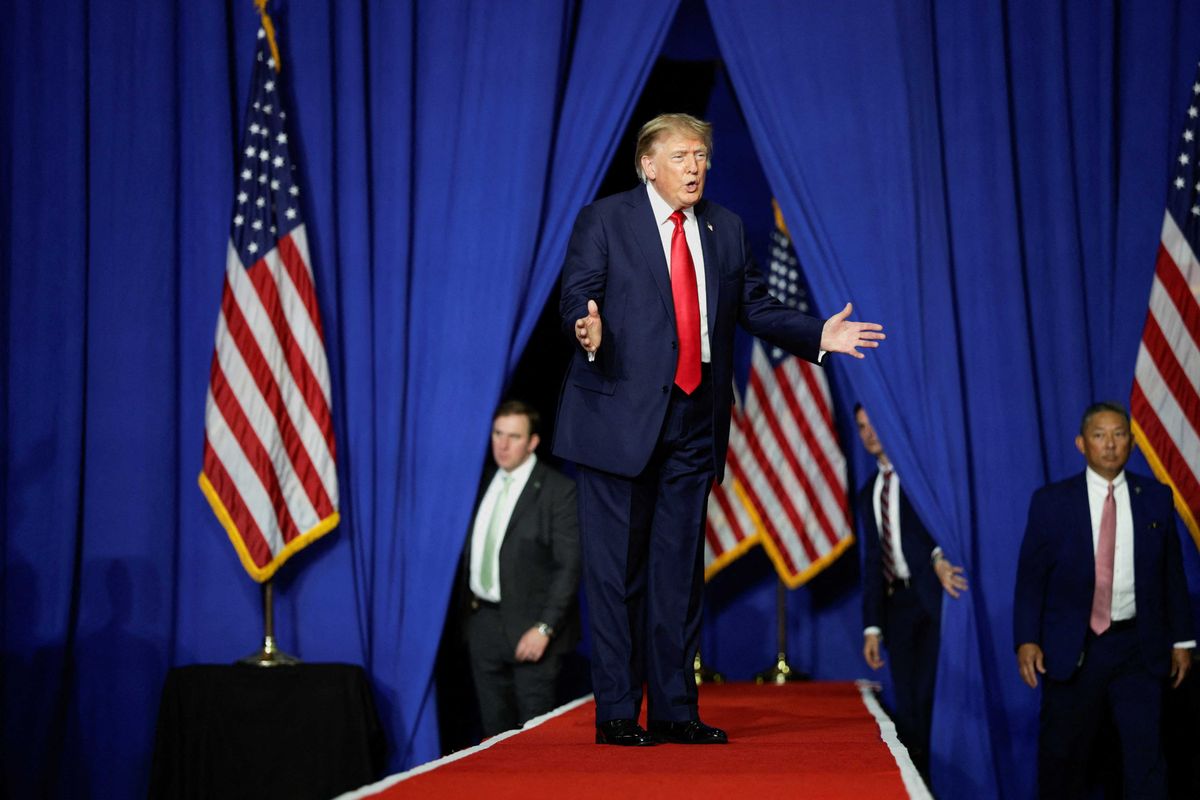
Donald Trump isn't waiting around for the dust to settle in the Middle East. He wants a deal, and he wants it now. In a recent phone interview with NBC News, Trump revealed that he personally intervened with Israeli officials, urging them to cool it and accept a new ceasefire agreement with Hezbollah. His message was vintage Trump. "You just gotta calm down sometimes and use your head," he recounted telling them.
The timing here isn't random. This public pressure comes at a moment when a massive regional strategy is hanging by a thread. The United States and Iran recently signed a historic, highly controversial 14-point memorandum of understanding. That deal establishes a temporary 60-day window to negotiate a massive, permanent settlement covering everything from Iran's nuclear program to the shipping lanes in the Strait of Hormuz. Discover more on a similar issue: this related article.
But there's a huge catch. Iran made it completely clear that these broader talks won't move an inch if Israel keeps pounding its main regional proxy, Hezbollah, in Lebanon. Trump sees the big picture. He views the Lebanon truce as a stepping stone to his ultimate goal, calling the ceasefire "a positive" and "little icing on the cake."
If Israel refuses to play ball, Trump's grand foreign policy plan could fall apart before it even starts. Further journalism by USA Today delves into comparable views on this issue.
The Friction Between Washington and Jerusalem
Prime Minister Benjamin Netanyahu finds himself in a brutal political bind. Inside Israel, the political pressure to completely wipe out Hezbollah's military capability along the northern border is intense. The Israeli Defense Forces recently updated their maps of the security zone in southern Lebanon, explicitly stating they have no plans to pull back their troops right now.
Netanyahu has been vocal about this. He publicly announced that Israel isn't bound by the U.S.-Iran memorandum of understanding. For Jerusalem, maintaining that northern buffer zone is a matter of basic survival for the towns that have been under constant rocket fire for years.
Trump sees it differently. He thinks Israel is risking a massive strategic breakthrough for short-term tactical gains. To make matters more tense, Trump recently brought up a raw historical grievance to show he isn't afraid to criticize Jerusalem. He publicly reminded everyone about Israel's last-minute decision to back out of the 2020 drone strike that killed Iranian General Qasem Soleimani. It was a clear signal. Trump is telling Netanyahu that Washington's patience has limits, and Israel shouldn't take American diplomatic cover for granted when a broader regional peace is on the line.
What is Actually in the Truce Deal
The details of what's being negotiated show just how complex this balancing act really is. This isn't a permanent peace treaty; it's a high-stakes pause designed to let the diplomatic gears turn.
- Hezbollah must halt all rocket and missile attacks directed at Israeli territory.
- The militant group has to pull its heavy weaponry and fighters north of the Litani River.
- The Lebanese Armed Forces are supposed to deploy south to secure the border zone.
- Israel retains the right to act in self-defense if it detects immediate, verified threats.
The problem is enforcement. We've seen this movie before. Ceasefires in Lebanon are notoriously fragile, and hours after negotiators try to lock things down, rocket sirens usually start blaring again in northern Israel. Trump is betting that by dragging both sides to the table through backchannels and international mediators like Qatar, he can keep the peace long enough to secure his bigger prize in Tehran.
The High Stakes of the Sixty Day Window
Let's look at why Trump is so obsessed with this 60-day timeline. The interim accord with Iran has drawn fierce fire from hardline Republicans in Washington who think the administration gave up way too much ground. Critics are screaming that the deal throws a lifeline to a weakened Iranian regime.
Trump is aggressively pushing back against that narrative. He insists that months of intense warfare have absolutely hollowed out Iran's economy and military capability. "The War has diminished Iran!" Trump wrote on social media, defending his strategy. "We didn't meet out of desperation, Iran did. They are FINISHED!"
To quiet his critics at home, Trump is holding a firm line on cash flow. He emphasizes that during this two-month negotiation period, Iran isn't getting any financial relief. No frozen assets are being released yet. "They get no money, not ten cents!" Trump stated.
But to keep that leverage, he needs the guns to fall silent in Lebanon. If Hezbollah and the IDF keep killing each other in southern villages, the hardliners in Tehran will pull out of the talks entirely. Iranian Foreign Minister Abbas Araghchi has already warned that Washington is solely responsible for keeping Israel in check. If Trump can't control his closest ally, the entire 60-day framework collapses.
The View from Tehran and the Streets of Beirut
For the people living through this, the geopolitical chess match is a matter of daily survival. In Beirut's southern suburbs, families are constantly packing their lives onto motorcycles and fleeing every time a ceasefire line wavers. The economic strain across the region is hitting a breaking point.
In Iran, the government is facing its own internal crisis. Public surveys coming out of Tehran show that roughly 60% of the population says they simply can't handle any more economic misery. The promise of sanctions relief under this new U.S. deal has created massive expectations among ordinary Iranians who want lower inflation and stable food prices.
Yet, the Iranian political elite is bitterly divided. Ultraconservatives are already marching in the streets of Tehran and Mashhad, calling their own negotiators "traitors" for cutting a deal with Trump. Military advisers to the Supreme Leader are publicly warning that Iran must not give up its strategic leverage over the Strait of Hormuz in exchange for temporary economic breathing room. They want a deal that preserves their regional deterrence for the next fifty years.
This domestic pressure on both sides explains why Trump is relying on aggressive, public browbeating. He knows that both Netanyahu and the Iranian leadership are playing to their own angry domestic audiences. By publicly telling Israel to "calm down," Trump is trying to create the political space necessary for a compromise. He's framing the Lebanon ceasefire not as a concession, but as a rational, necessary step to avoid a much larger, catastrophic war that neither side can truly afford to win.
The Hard Realities of What Comes Next
Don't expect a smooth ride. Even if Trump successfully forces a temporary halt to the fighting, the fundamental contradictions on the ground haven't gone away. Israel isn't going to easily abandon its security zone in the north, and Hezbollah isn't going to completely disarm overnight. The next two months will be a minefield of localized violations, political grandstanding, and sudden military flare-ups.
For anyone tracking the regional stability of the Middle East, the immediate priority is watching how these border deployments play out. The success of this strategy hinges entirely on whether the Lebanese army can actually secure the south and whether Trump can keep Netanyahu from launching pre-emptive strikes.
If you want to understand where this situation is heading, keep your eyes on the official diplomatic statements coming out of Washington and Jerusalem over the next few weeks. Watch the border coordinates. Pay attention to whether the U.S. military begins lifting blockades or if Iran makes any sudden moves near the shipping channels. The reality is that a permanent peace remains a distant prospect, but the frantic race to prevent total regional escalation is happening right now in real time.