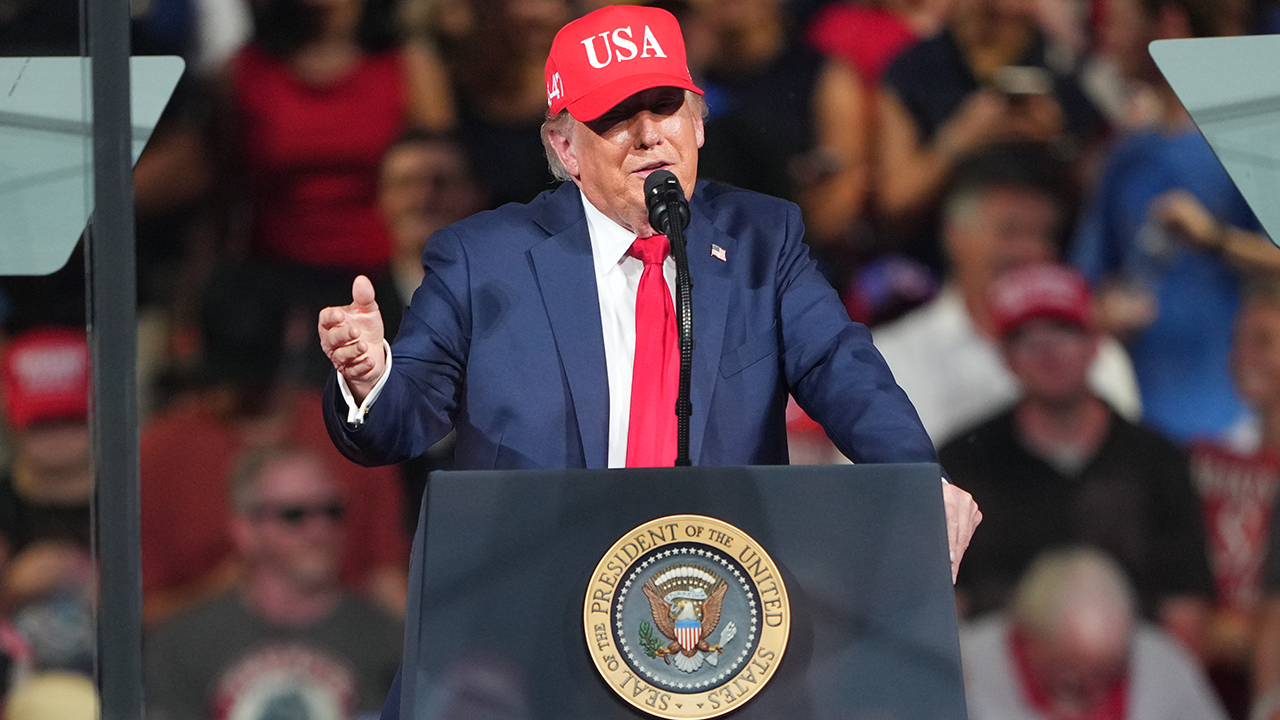
Diplomatic high wire acts rarely play out quite like this. When United States President Donald Trump took the podium at the United Nations General Assembly in New York, he didn't whisper about peace or trade pleasantries. He laid out a stark binary choice for Iran: agree to terms or face total obliteration. Yet, behind the aggressive public rhetoric and the heavy security cordons surrounding Iranian President Masoud Pezeshkian, quiet channels were already spinning up.
If you think international diplomacy is just a polite tea party for people in sharp suits, New York just shattered that illusion. In related developments, read about: Why Erdogan Keeps Bringing Up Kashmir At The Un And What India Really Thinks About It.
The Dual Track of Pressure and Open Doors
For months, the conflict between Washington and Tehran has ground forward through military strikes, naval choke points, and severe economic blockades. Yet, the gathering of world leaders in Manhattan shifted the tempo. Before touching down in the United States under strict movement constraints, Pezeshkian made it clear that Iran would defend its stance on the global stage.
Trump signaled a willingness to talk, telling interviewers he would "probably be open" to meeting his Iranian counterpart. That openness coexisted awkwardly with an UNGA address where Trump demanded complete economic isolation for Iran and warned of rapid annihilation if a deal isn't struck. The New York Times has analyzed this critical topic in great detail.
Behind closed doors, the reality proved even more intriguing. Envoys like Steve Witkoff and Jared Kushner held a three-hour meeting in New York with intermediaries working on the Iran portfolio. While Trump later noted that the Iranian officials involved weren't at the absolute top tier, he called the engagement a "very good meeting."
What Tehran Is Actually Demanding
Negotiations don't happen in a vacuum. Iran's leadership, battered by a bruising seven-month conflict and tightening aviation sanctions, has communicated clear terms through Qatari and regional mediators. Tehran wants a permanent halt to the war on all fronts, an end to what it labels American acts of aggression, the lifting of naval blockades, and the release of frozen assets.
At the same time, domestic hardliners in Iran argue that fighting and negotiating must happen simultaneously. The strategy relies on maintaining pressure while leaving room for a political off-ramp.
Trump's position centers firmly on preventing a nuclear weapon from falling into the hands of a regime he accuses of sponsoring regional chaos. He frames any future deal not as a concession, but as a gateway for Iran to rebuild into a prosperous Middle Eastern state—or face swift destruction.
Where Diplomacy Goes From Here
The real test of the UNGA gathering isn't what leaders say into the television cameras. It's whether back-channel communications can bridge an enormous gulf of distrust before new sanctions bite harder. Aviation bans and economic isolation are already disrupting regional travel and supply chains.
If you are tracking global energy markets and security, keep your eyes on the mediators. The gap between "annihilation" and an economic rebuild is wide, but in New York, both sides proved they are at least willing to pick up the phone. Watch how the aftermath of these UN sidelines meetings shapes the upcoming weeks.