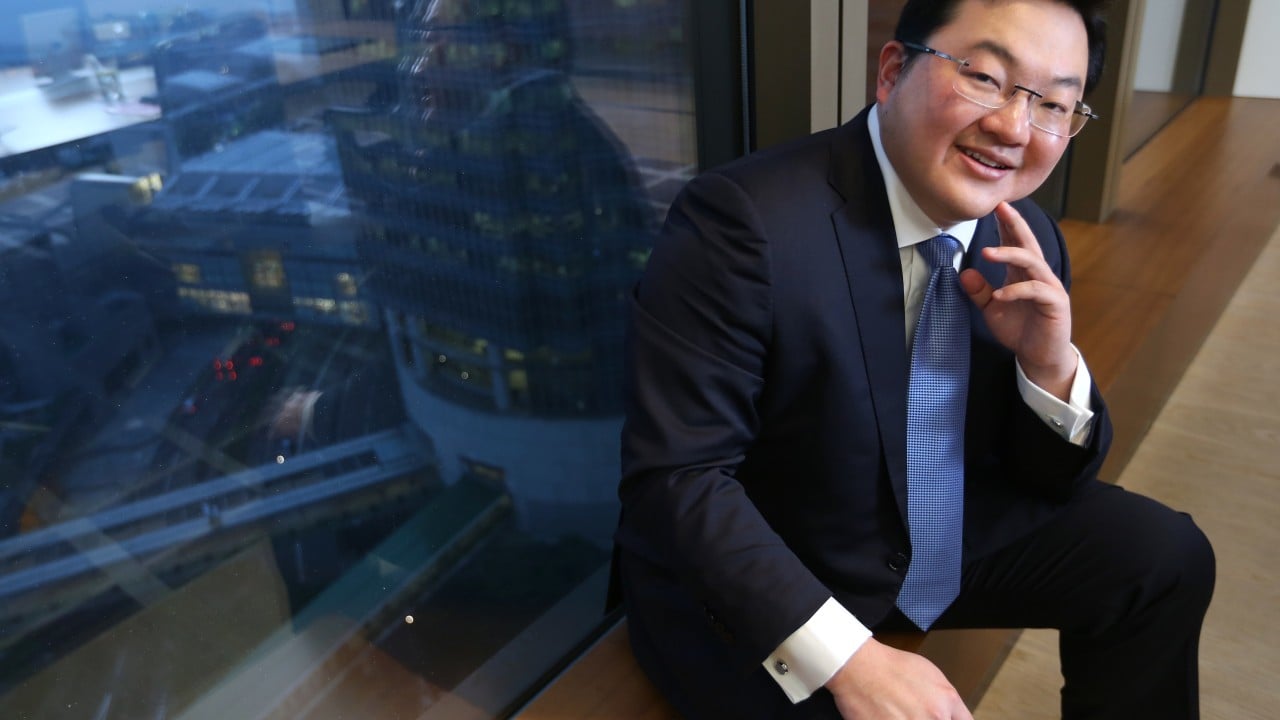
Donald Trump wants to celebrate the 250th anniversary of American independence with a massive wave of presidential pardons. The rumor mill is spinning fast, and one name catching everyone's attention is Low Taek Jho. You know him as Jho Low, the flamboyant mastermind behind the multi-billion-dollar 1Malaysia Development Berhad (1MDB) scandal.
Reports from international media indicate that Low is on a list of around 250 people being considered for clemency under an initiative called "250 Pardons for 250 Years." The Wall Street Journal even reported that Low formally filed a request to drop his criminal charges.
If you think a signature from the White House lets the world's most infamous fugitive off the hook, you're wrong.
Malaysian Prime Minister Anwar Ibrahim just shut that idea down completely. Speaking to reporters after Friday prayers at Masjid As-Sodiqin in Cheras, Anwar made it clear that Malaysia won't budge. The message from Putrajaya is simple. What happens in Washington stays in Washington. Malaysia operates under its own sovereignty and its own legal system. A free pass from the American president doesn't wipe the slate clean in Kuala Lumpur.
The Noise Around the Fourth of July Pardons
The speculation started heating up after reports surfaced about Trump's massive anniversary pardon project. Insiders claim the administration wants to mark July 4 with a sweeping display of executive clemency. Low reportedly applied for a "Pardon after Completion of Sentence" on the US Department of Justice website, though technically he hasn't served a sentence because he's still running from the law.
The political optics are messy. White House officials quickly tried to downplay the drama, telling reporters that Low and other high-profile figures aren't currently on the radar of the official pardon team. But with Trump, the final decision always rests with him, and his history of granting clemency to well-connected individuals keeps the rumor mill alive.
Other names floated for this mass pardon include Pras Michel, the former Fugees rapper convicted for his role in an illegal foreign lobbying campaign tied directly to Low. Nicole Daedone, the co-founder of the controversial wellness company OneTaste, is also on the list. The connections run deep, and the money trail reaches the highest levels of political influence.
Low has been trying to clear his name through the back door for years. He already reached a settlement with the US Department of Justice, giving up over 100 million dollars in assets to resolve civil forfeiture lawsuits. But civil settlements don't erase criminal indictments. Facing multiple counts of conspiracy to commit money laundering and wire fraud in the US, a presidential pardon is his ultimate escape hatch from American justice.
The Mechanics of the Billions That Went Missing
To understand why Malaysia refuses to back down, you have to look at the sheer scale of the crime. The 1MDB fund was set up in 2009 by former Malaysian Prime Minister Najib Razak. It was supposed to be a sovereign wealth fund to drive strategic development and boost the Malaysian economy. Instead, it became a personal piggy bank for a small circle of elites.
Between 2009 and 2015, fraudsters misappropriated more than 4.2 billion dollars from the fund. Low didn't hold an official position at 1MDB, but he pulled the strings. He directed the flow of funds through a dizzying web of shell companies, Swiss bank accounts, and offshore tax havens.
The stolen cash funded an insanely lavish lifestyle. We're talking about a 250 million dollar superyacht named the Equanimity, multi-million-dollar penthouses in New York, rare paintings by Monet and Picasso, and even the financing for the Hollywood movie The Wolf of Wall Street. While Low was popping champagne with celebrities in Las Vegas, ordinary Malaysian taxpayers were left holding the bag for billions in sovereign debt.
The political fallout in Malaysia was cataclysmic. The scandal brought down Najib's government in 2018, ending the six-decade rule of the Barisan Nasional coalition. Najib eventually went to prison, and his legal team still argues that Low was the true architect of the fraud, tricking the prime minister into signing off on the missing billions.
Why a US Pardon Has Zero Legal Weight in Putrajaya
Anwar Ibrahim's legal logic is airtight. International law relies on the principle of territorial sovereignty. A US presidential pardon only applies to federal crimes prosecuted under United States law. It has absolutely no jurisdiction over the sovereign laws of another country.
Low faces a long list of criminal charges in Malaysia, including corruption, money laundering, and criminal breach of trust. The Malaysian police and the Malaysian Anti-Corruption Commission have active warrants for his arrest. Interpol has a Red Notice out on him. If Trump signs a piece of paper wiping away Low's American indictments, those Malaysian charges don't magically vanish.
Anwar has been highly consistent on this point. Back in May, when reports first emerged that Low was angling for a deal in Washington, Anwar called the matter a non-issue for his administration. He told reporters that Malaysia wouldn't support or assist any pardon application.
The rule of law means you don't drop charges just because a foreign ally decides to look the other way. Malaysia is still recovering assets and trying to balance its books after the 1MDB devastation. Giving up on prosecuting the main suspect would be a massive betrayal of the Malaysian public.
The Geopolitical Tension of Mass Clemency
If Trump actually goes through with pardoning Low, it will create a major diplomatic headache. Malaysia and the United States have historically shared strong bilateral ties, especially regarding counter-terrorism, trade, and maritime security in the South China Sea. The US Department of Justice was a critical partner in tracking down the stolen 1MDB money and returning over a billion dollars to Malaysia.
A sudden pardon would feel like a slap in the face to Malaysian law enforcement. It signals that multi-billion-dollar financial crimes can be wiped away if you have the right connections or the right lobbyists. It also complicates the ongoing international hunt for Low, whose actual whereabouts remain a mystery. Many suspect he's hiding out in China or moving between safe houses in Macau and Shanghai under protection.
Singaporean authorities are also keeping a close watch. The Singapore Police Force confirmed that its own warrants and Interpol Red Notices against Low remain active. Singapore convicted several bankers and seized millions in connection to 1MDB asset flows through its financial hub. The regional consensus is clear. The hunt doesn't stop for a White House celebration.
What Happens Next in the Hunt for the Mastermind
The focus now shifts away from Washington's political theater and back to the actual legal reality. Malaysia is digging in for the long haul.
If you want to track how this story unfolds, keep your eyes on these specific areas.
First, watch the official announcements from the White House over the holiday weekend. If Trump excludes Low from the final list, the entire drama evaporates as a desperate, failed PR stunt by Low's legal team. If Low somehow secures clemency, expect a sharp, formal response from the Malaysian Cabinet during their upcoming meeting.
Second, monitor the asset recovery efforts. Malaysia is still hunting for hundreds of millions of dollars tied up in foreign jurisdictions. Anwar's government will keep using international legal frameworks to claw back every cent, regardless of Low's status in the US.
Finally, look at regional diplomacy. Malaysia will likely step up pressure on neighboring countries to enforce the Interpol Red Notice. The ultimate goal remains getting Low into a Malaysian courtroom to face the music.
A presidential pardon might keep Jho Low out of an American jail, but it won't buy him his freedom in Southeast Asia. The hunt continues.