You can't rewrite election infrastructure a month before voting starts, and the highest court in the country just made that crystal clear.
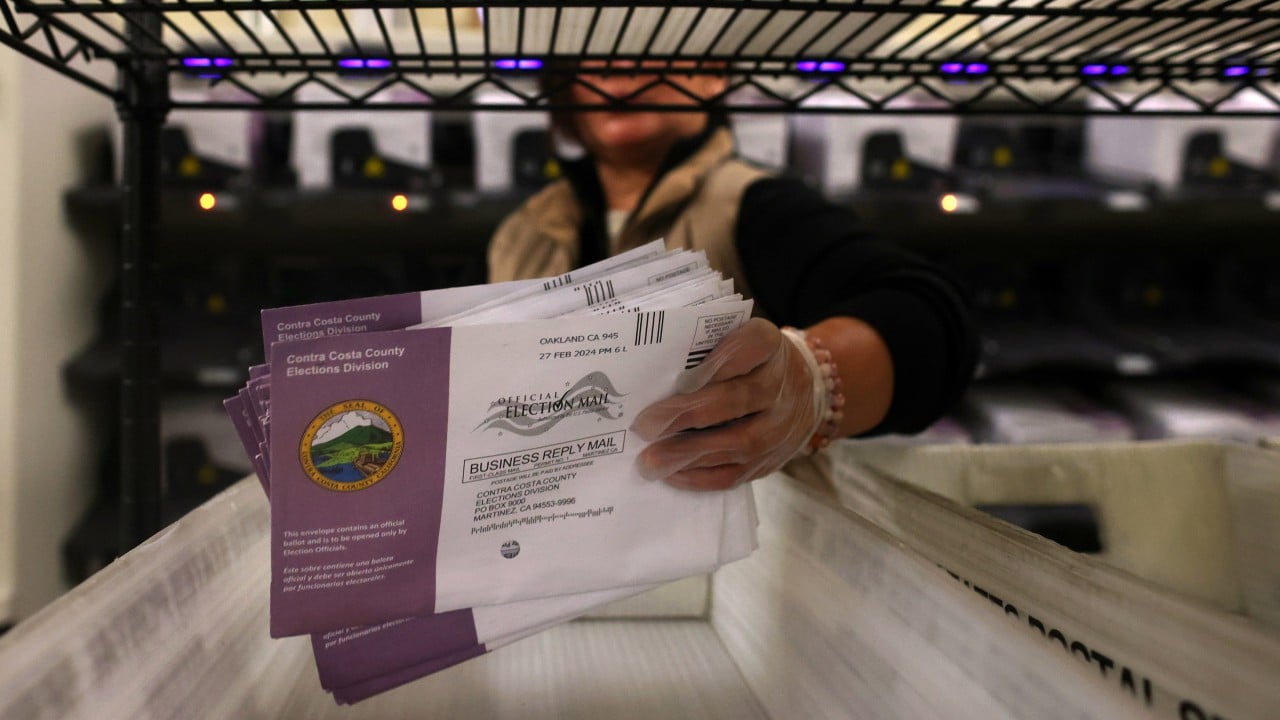
The U.S. Supreme Court flatly rejected an emergency bid by the Trump administration to force sudden restrictions on mail-in ballots for the upcoming midterm elections. In a brief unsigned order, the justices kept a lower court's block firmly in place, saving local clerks from utter administrative chaos. Millions of voters across states like Washington, Oregon, California, North Carolina, and Wisconsin breathed a massive sigh of relief. For a different view, check out: this related article.
Why did the administration try this now? Back in March, an executive order directed the U.S. Postal Service to alter how election mail gets handled. The plan required states to adopt strict uniform envelope styles and upload voter rolls into a newly minted federal portal. If a state didn't comply, the post office could legally refuse to deliver their ballots.
Critics called it a thinly veiled attempt to slash mail voting right before a major national contest. Nearly a third of the country casts their ballots through the mail. Implementing a massive postal overhaul on the fly was never going to work smoothly. Further reporting on the subject has been provided by The New York Times.
The Chaos of Eleventh Hour Overhauls
Local election officials operate on tight, unforgiving schedules. When the Supreme Court reviewed the emergency appeal, reality had already set in. States like Alabama, North Carolina, and Wisconsin had already begun mailing out ballots to voters.
Expectations of a swift administrative pivot ignored basic physics. A whistleblower report warned that the postal service's portal wasn't even built properly. A single barcode glitch could have tossed out entire batches of valid votes, disenfranchising thousands without warning.
Justice Brett Kavanaugh captured this logistical nightmare in a concurring opinion. He noted that even if the administration possessed the legal standing to regulate mail delivery, enforcing it right now would be completely "arbitrary and capricious." There simply wasn't enough time for local offices to adapt without breaking the system entirely.
Legal Battles and Political Fallout
Twenty-three states and the District of Columbia sued immediately to stop the rule. They argued that the executive branch has zero constitutional authority to dictate election procedures reserved for states. Lower courts agreed, issuing preliminary injunctions that froze the postal service plan in its tracks.
When the case reached the Supreme Court, Justices Samuel Alito and Clarence Thomas dissented from the majority. Alito argued that the postal service holds broad authority over the mail and likely could enforce the rules. Yet, the rest of the court refused to let the administration pull the rug out from under ongoing elections.
Donald Trump didn't hide his frustration, venting on social media that the decision dealt another bad hand to Republicans. Meanwhile, Democratic leaders celebrated a crucial win for voter access.
What Happens Next for Voters
The broader legal battle over whether the executive branch can interfere with election mail is far from over. The Supreme Court didn't rule permanently on the ultimate legality of the executive order. Instead, they focused entirely on the immediate harm of changing rules mid-stream.
For now, your mail-in ballot process remains exactly what it has been. Election workers can focus on running a secure count instead of decoding new federal mandates. If you planned to vote by mail this November, your current state rules apply. Check your local county guidelines, track your ballot online, and mail it back early to ensure it lands safely.
Supreme Court rejects Trump's mail ballot restrictions for now ahead
This video provides a quick visual recap of the Supreme Court's decision to block the Trump administration's mail ballot restrictions ahead of the midterms.


