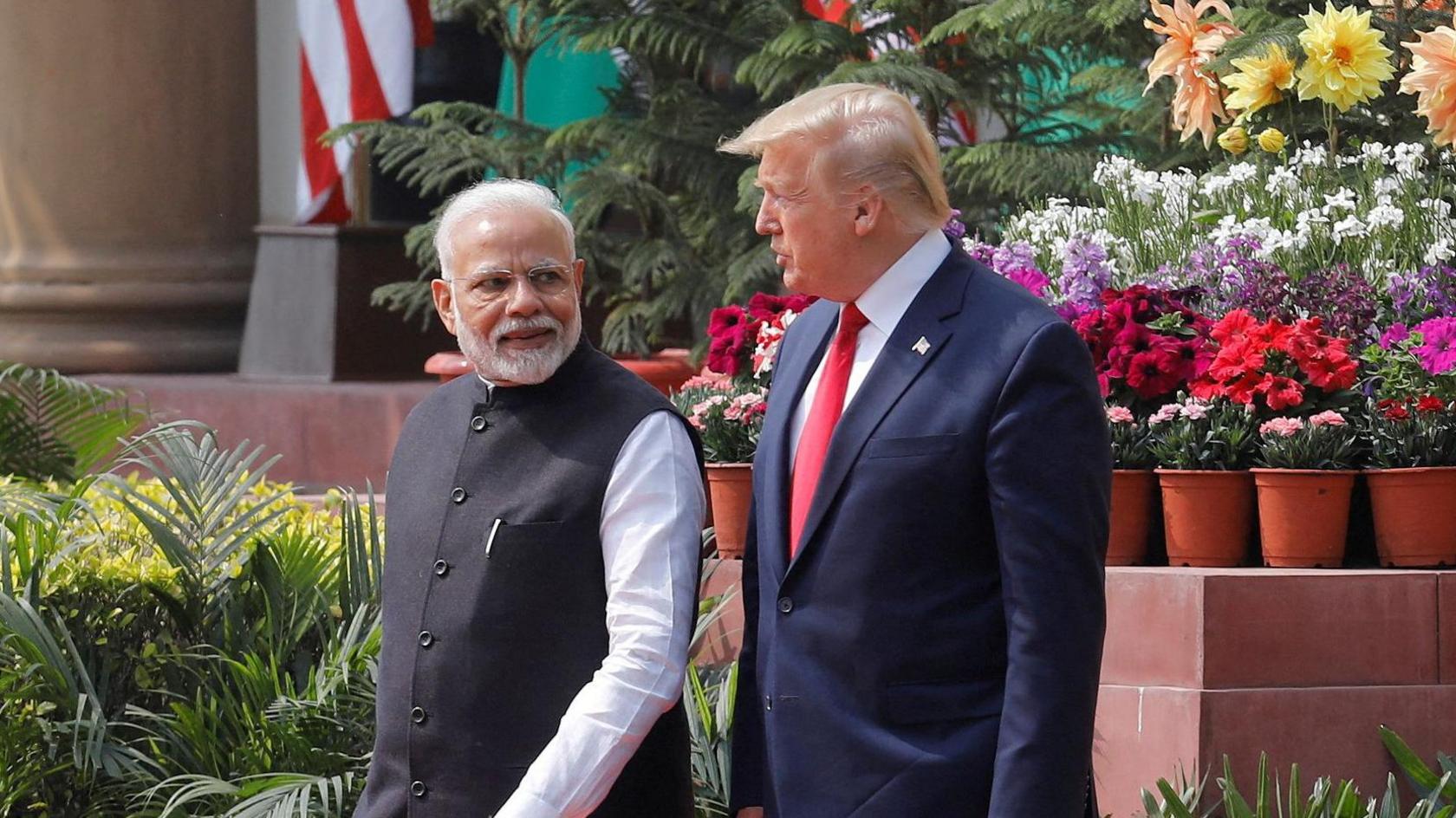
You have probably noticed the heated debate over election integrity in the United States. It never really goes away. Lately, the conversation has taken a surprising international turn. Donald Trump is pointing directly to India’s massive, complex electoral process as the blueprint for his proposed Safeguard American Voter Eligibility (SAVE) America Act.
It is a bold move. He is essentially telling American lawmakers that if the world’s most populous democracy can handle hundreds of millions of voters with strict identification, the United States has no excuse not to do the same.
The Indian Model as a Case Study
The core of Trump’s argument rests on the logistical scale of Indian elections. When you look at the numbers, it is staggering. In the last general election, India managed 646 million voters. That is a turnout most countries can only dream of.
The Indian Election Commission operates on a premise that seems to be the focal point of the current debate: the voter must be verified. In India, that means a valid photo identity document is standard. It is not optional. It is not a suggestion. It is how the system functions.
Trump is highlighting the fact that less than one percent of Indian voters opted for mail-in ballots. This is a massive departure from the American trend, where postal voting has surged in popularity and, consequently, generated significant political friction. By framing it this way, he is contrasting the two systems to suggest that the United States is lagging behind in what he calls "basic election protections."
What the SAVE America Act Actually Proposes
The SAVE America Act is not just about showing an ID at the booth. The White House has been vocal about its intentions. The bill aims to ensure that only US citizens have a hand in federal elections.
If this legislation passes, here is what it would change:
- Proof of Citizenship: You would need to provide verified proof of citizenship to register for federal elections.
- Strict Photo ID: Valid, government-issued photo identification would become a nationwide requirement.
- Mail-in Restrictions: Access to mail-in ballots would be significantly tightened. They would be reserved for specific cases, like military service, documented illness, or disability.
- Clearing Voter Rolls: States would be under federal pressure to actively remove non-citizens from their registration databases.
It is a shift toward a more centralized, identity-focused verification system. The administration has even drawn direct comparisons, noting that while India and Brazil utilize biometric databases for voter verification, the US currently relies heavily on self-attestation. That is the gap the SAVE Act intends to close.
Why This Debate Matters Right Now
You might wonder why a foreign system is being brought into a domestic US debate. The answer is simple: political leverage. When you are trying to push a controversial piece of legislation through a divided Congress, citing a successful, large-scale example makes the proposal sound less like a partisan grab and more like "common sense."
Critics, however, often argue that the US system is structurally different. The decentralized nature of American elections—where states manage their own rules—is a deliberate design choice meant to prevent federal overreach. Proponents of the SAVE Act argue that federal elections should have a federal standard, especially when it comes to the fundamental question of who is eligible to cast a ballot.
Moving Beyond the Rhetoric
If you want to understand where this is heading, you have to look past the campaign slogans. The real hurdle for the SAVE Act is not just the ideological disagreement; it is the administrative nightmare of implementing it.
Transitioning to a system that requires proof of citizenship for every single voter registration is a massive undertaking. It would require states to coordinate with federal databases that are not currently designed for real-time verification. That is the hidden friction point. If the act passes, election officials at the local level are going to face a very steep, very expensive, and very complex upgrade in their verification procedures.
The debate isn't going anywhere. Whether you agree that the US should adopt stricter, India-style verification or believe it creates unnecessary barriers, the pressure for legislative change is building. If you are watching this closely, keep an eye on how state governments respond to the prospect of federal mandates, as that is where the real enforcement battle will play out.
The goal here is clearly to change the baseline expectations for what a secure election looks like. For better or worse, the Indian electoral experience is now a permanent feature of the American political conversation.