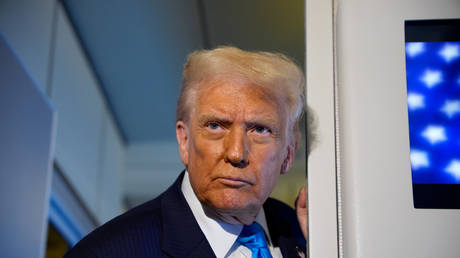
If you’ve been paying attention to the headlines out of Washington lately, you know the vibe is tense. It’s not just the usual diplomatic posturing. Donald Trump has shifted his strategy toward Seoul, and honestly, it looks less like a traditional alliance and more like a high-stakes business negotiation.
The core question isn't why he’s annoyed; it’s why he’s using military exercises and trade tariffs as leverage. You’re likely wondering if the long-standing security pact between the US and South Korea is actually crumbling. Let’s cut through the noise. It isn’t ending, but it is being aggressively rewritten.
The transactional shift in security
For decades, the US-South Korea relationship was built on a simple premise: America provides the nuclear umbrella and roughly 28,500 troops, and in return, Seoul provides a stable, democratic anchor in the Pacific. It was a strategic investment in influence.
Trump doesn’t see it that way. He sees a balance sheet. During his first term, he pushed for Seoul to quintuple its contribution to the cost of stationing those troops, aiming for something close to $5 billion annually. His argument is blunt: if you’re a wealthy industrial power, you should pay for the full service you receive.
When Seoul hesitates—or when they decline to jump into American-led efforts, like the recent friction regarding regional Middle Eastern policy—Trump interprets that caution as a lack of loyalty. To him, an alliance is a two-way street. If South Korea benefits from the American market and American protection, he expects them to back Washington’s plays elsewhere. When they don’t, the transactional hammer comes down.
Why trade and defense are now one pot
The most significant change in 2026 is that Trump no longer separates trade from defense. They’re part of the same negotiation now.
Think of it this way. If Seoul wants favorable terms on cars or semiconductors entering the US market, they’d better show up with significant investment commitments for American shipyards or increased orders for US-made defense gear. It’s a classic "quid pro quo" on a national scale.
This approach creates a specific kind of pressure. South Korea is deeply reliant on exports. In 2025, America bought over 17 percent of all their exports. That’s a massive slice of their economy. By linking security guarantees to trade concessions, the administration has found a way to apply pressure that Seoul basically can’t ignore.
The risk of forcing strategic autonomy
Here’s the part most people miss. By treating protection like a service with a fluctuating price tag, Washington is accidentally forcing South Korea to rethink its long-term future.
If the American nuclear umbrella becomes conditional—tied to how much Seoul invests in American industry or how it votes on regional conflicts—what happens to that trust? Governments don't like surprises. If Seoul decides that relying on Washington is too unpredictable, they might quietly start looking for "strategic autonomy." That could mean developing their own advanced defense capabilities, or—in a worst-case scenario—the kind of independent nuclear program that Washington has spent decades trying to prevent.
The reality of the current friction
You might be asking if these reduced military exercises actually mean a safer or more dangerous peninsula. Trump claims he’s signaling a less hostile approach to North Korea, but the reality is more cynical. By scaling back exercises, he’s cutting costs and signaling to Seoul that their protection is not a birthright.
If you’re watching this play out, look for these indicators:
- Defense spending hikes. Expect South Korea to move closer to spending 3.5 percent of their GDP on defense. They’re being pushed into it.
- Arms purchases. They’ll keep buying US-made tech to keep the trade deficit quiet.
- Investment commitments. Watch for more announcements of "massive" Korean investments into American industrial heartlands.
This isn't about personal animosity. It's about a fundamental shift in how the US views its global footprint. Washington is tired of paying the tab for an international order that it feels isn't rewarding its own economy.
If you want to understand where this is heading, stop looking for "diplomatic breakthroughs" and start looking at the balance sheet. That’s the only ledger that matters in this version of the alliance.
Don't expect the tension to evaporate. The "new normal" for these allies is a state of constant negotiation. Expect more demands for contributions, more pressure on trade, and a South Korea that is increasingly realizing it needs a Plan B.


