Voters don't care about a Green Lantern ring when they are paying four dollars a gallon for gas.
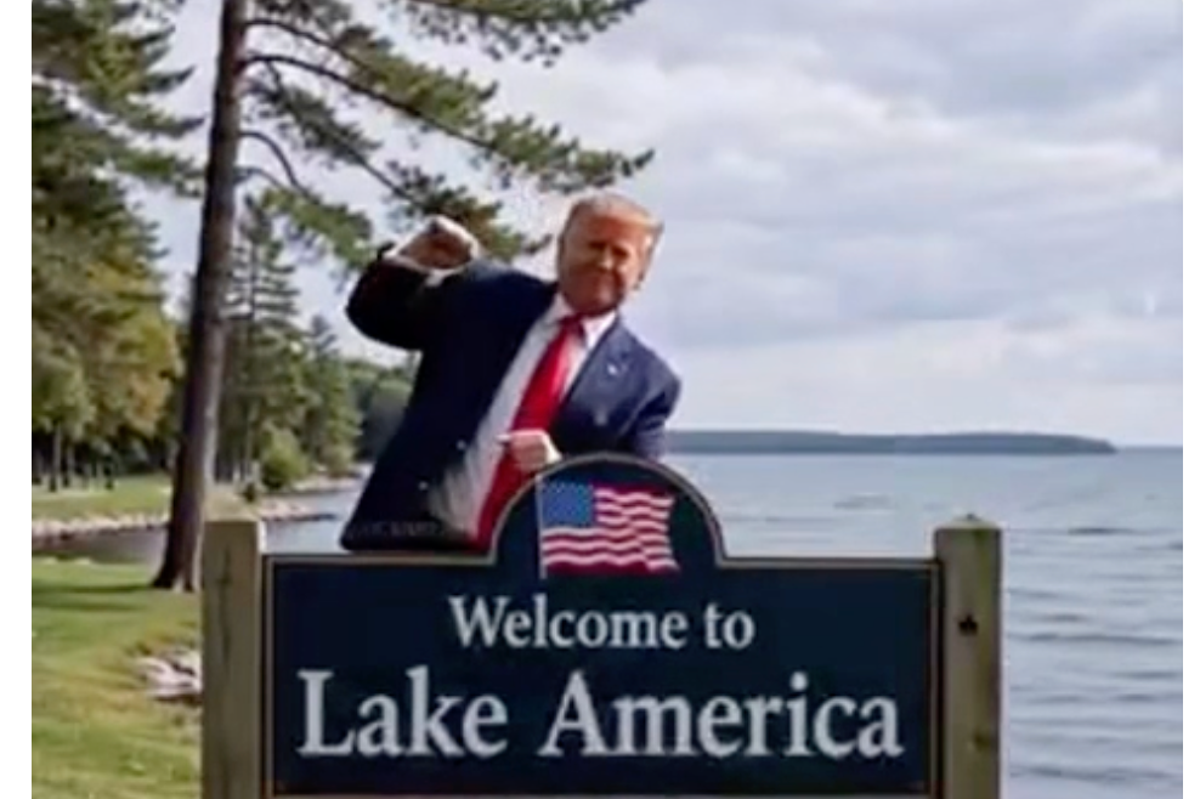
Right now, the White House communications machine is running two completely different realities. On one side, you have actual Americans staring down rising living costs, persistent inflation, and an escalating military standoff with Iran. On the other side, you have the official presidential feeds pushing an endless stream of AI-generated digital art showing Donald Trump as a superhero, an NHL enforcer looming over Canadian Prime Minister Mark Carney, or a military commander blasting enemy ships.
It is a striking digital strategy. It is also completely disconnected from what decides congressional control.
As the midterm elections approach, Republican strategists are sweating over a massive disconnect. The administration is doubling down on internet culture to fire up the core Make America Great Again base, but that messaging falls flat for the independent and suburban voters who actually swing congressional districts. When gas averages sit at $4.15 a gallon—roughly 30 percent higher than last year—cartoon graphics do not lower heating bills or resolve foreign policy crises in the Middle East.
The Power and Limits of the MAGA Meme Machine
Let's be honest about why this happens. Modern political communication relies heavily on bypassing traditional press corps channels to speak directly to supporters. For years, the digital playbook has proven effective at dominating news cycles, setting the terms of online debate, and creating viral moments that energize grassroots donors.
The White House digital team, staffed by internet-native operators like Kaelan Dorr, knows that posting provocative visuals drives engagement metrics through the roof. When you share an image of the president wearing superhero gear or dropping retro-styled video game variants like "Build the Wall," the internet reacts instantly.
The problem is that internet engagement does not translate directly to ballot box security.
Polling data from organizations like AP-NORC shows presidential approval lingering around 33 percent, with strong approval sitting at just 15 percent. More importantly, the voters who will determine who wins the House and Senate in November are laser-focused on kitchen-table economics. They are worried about the cost of groceries, mortgage rates, and the economic ripple effects of foreign conflicts.
Copying the Playbook of Past Administrations
Relying on digital caricature to project strength is not entirely new, even if the scale and medium have shifted dramatically with generative AI tools.
During the previous administration, digital teams faced persistent public scrutiny over Joe Biden's age and physical stamina. To counter those narratives, aides leaned into the "Dark Brandon" meme—a sarcastic, laser-eyed caricature of Biden designed to project fierce competence and reclaim the online narrative.
The difference today is the severity of the economic headwinds. When prices at the pump remain stubbornly high, attempts to meme away voter anxiety risk looking tone-deaf. Former Biden deputy press secretary Andrew Bates pointed out the obvious trap, noting that telling voters who expected relief under two dollars a gallon that four dollars is fine while posting fantasy art alienates working-class families trying to budget their weekly expenses.
The Real Electoral Risk for Midterm Republicans
Congressional Republicans standing for re-election are walking a tightrope. They need the enthusiastic turnout of core supporters who love the fighter persona. At the same time, they need moderate voters who want boring, predictable competence on inflation and national security.
Republican strategist Kevin Madden put it bluntly: the affordability voter is driving this election cycle, and they aren't going to be won over with digital memes.
When party leadership drags Trump center stage at special midterm conventions in Dallas, the goal is to bridge that gap. Yet, as long as the online output features AI-generated fantasies while real-world gasoline prices climb and international tensions persist, the messaging war threatens to drown out substantive policy arguments.
Voters have a way of cutting through digital noise when their wallets are pinched. The internet loves a good superhero edit, but election day is settled by reality.