You thought the immigration fight was over. You were wrong.
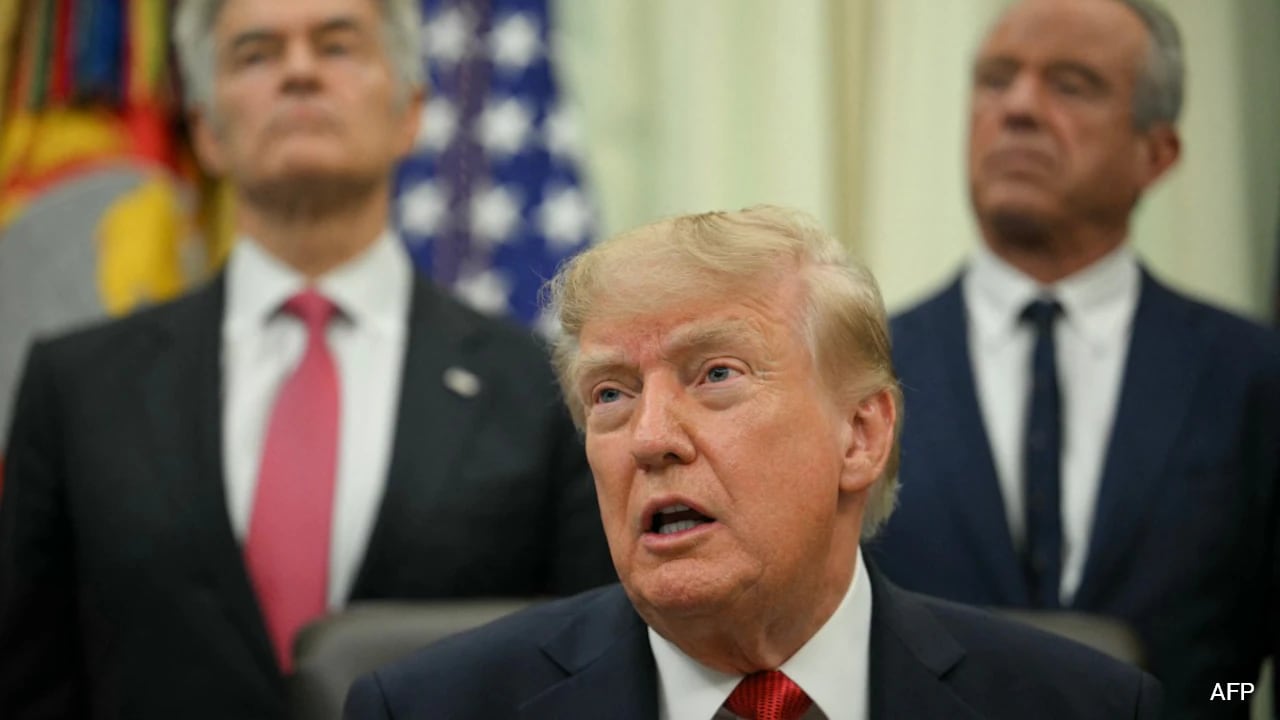
President Donald Trump just extended an executive order that keeps the controversial 100,000 dollar H 1B visa fee plan alive for another year. If you run a technology firm, handle talent acquisition, or plan to move to the United States for work, this update hits hard. The White House refuses to back down on changing how foreign skilled professionals enter the American workforce. For an alternative view, see: this related article.
Let's look past the political noise and talk about what this means for your career, your hiring budget, and the future of global tech hubs.
The Core Problem With the H 1B Visa Fee Hike
For decades, the system operated on standard filing expenses. Companies paid a few thousand dollars—usually between 2,000 and 5,000 dollars—to secure specialized talent from countries like India and China. Tech giants relied on these non-immigrant visas to fill massive engineering gaps. Similar coverage on this trend has been provided by Financial Times.
Then came the shift. The administration decided that standard pricing was too low. The proposed 100,000 dollar price tag acts as a massive financial wall.
Is it designed to protect domestic workers? Proponents argue yes. They claim corporations use foreign labor to drive down local wages. Critics counter that American universities simply don't graduate enough computer science majors to fill open roles.
The math changes instantly when a single employee costs an extra six figures just for the entry stamp. Small startups can't compete. Even mid-sized companies are rethinking their entire talent strategy.
Why the Legal Battle Matters Right Now
Don't assume this fee is finalized just because the executive order got extended. The courts are currently wrestling with the legality of the entire mandate.
A Boston-based appeals court is reviewing a previous ruling where a federal judge blocked the government from collecting the massive fee, calling it illegal. Meanwhile, other courts are weighing challenges from major corporate advocates like the US Chamber of Commerce.
When you look at the timeline, the initial order from September 2025 was ticking toward its expiration date. Instead of letting it die, the administration doubled down. They want this restriction permanent. Until the courts issue a definitive, final verdict, corporate immigration lawyers are stuck in limbo.
How Companies Are Adapting to the Pressure
Big tech isn't sitting around waiting for judges to save them. Operations are shifting fast.
Look at what major players like Alphabet are doing. Instead of forcing every engineer to relocate to Silicon Valley or Seattle, companies are expanding international offices. India is absorbing a massive wave of technical talent that would have otherwise moved to the US.
Why deal with explosive visa costs and regulatory uncertainty when you can build high-performing engineering hubs overseas?
If you're a skilled professional currently on a student visa, you might notice unique exceptions. The current restrictions haven't targeted foreign citizens already inside the US on student visas to the same aggressive degree, though the overall environment feels tense. Still, the traditional pipeline from a student visa to an H 1B application faces new hurdles.
What You Should Do Next
Stop guessing. If your business model depends heavily on importing foreign engineering talent, you need a backup plan today.
- Audit your current workforce to see which employees rely on upcoming visa renewals.
- Explore nearshoring options in Canada or Latin America if remote setups fit your workflow.
- Consult specialized legal counsel who tracks appellate court decisions on executive immigration orders weekly.
The rules of global talent mobility are rewriting themselves in real time. Pay attention to the courts, keep your hiring agile, and stop treating immigration policy as background noise.