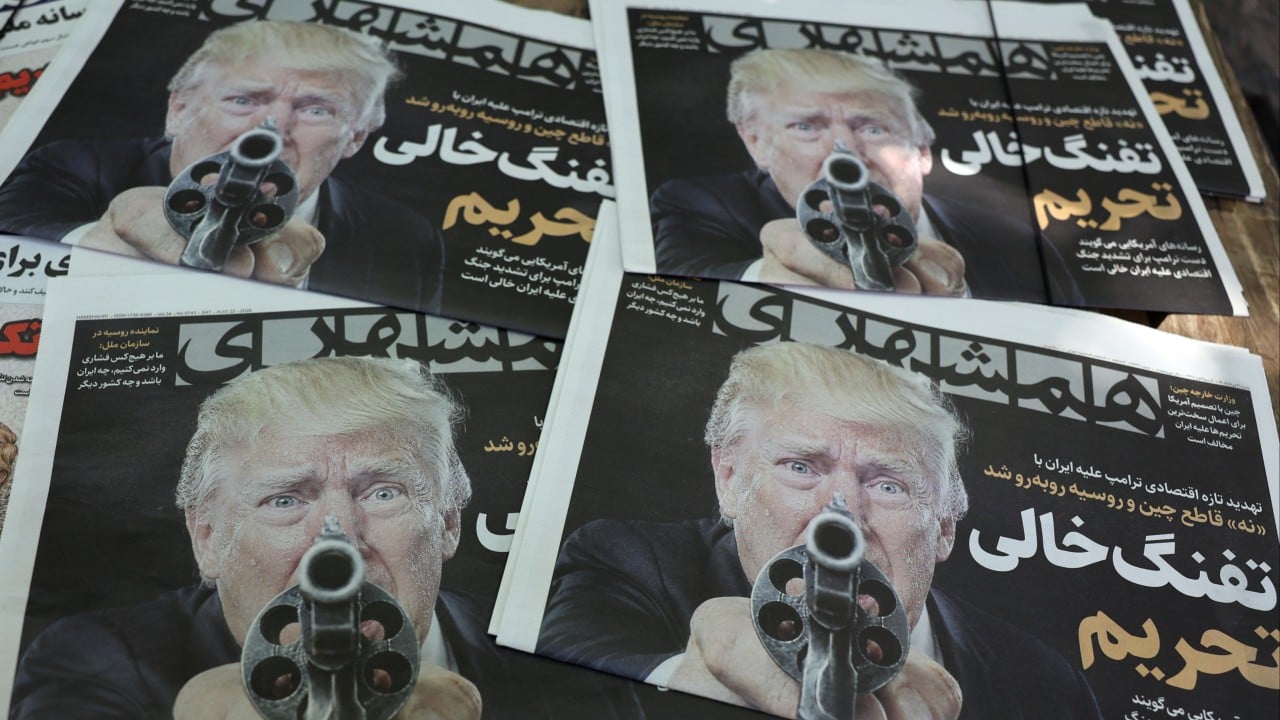
When Washington decides to squeeze an adversary until the pips squeak, the collateral damage rarely stays contained. Right now, Donald Trump’s aggressive return to a maximum economic pressure campaign against Iran isn't just targeting the regime in Tehran. It is actively setting the stage for a dangerous regional escalation that threatens every single nation across the Persian Gulf.
Most commentary treats economic sanctions and military strikes as two entirely different worlds. They aren't. When a country faces total financial strangulation, its options narrow down to very few survival mechanisms. For Iran, hitting back at the neighbors cooperating with Washington is a tried-and-true playbook.
If you think a crashing currency and an isolated regime mean Tehran will simply sit back and take it, you haven't been paying attention to Middle Eastern geopolitics.
The Trap of Maximum Economic Squeeze
Trump’s strategy relies on a familiar core thesis: starve the Iranian state of oil revenues, shut down its shadow banking networks, and penalize third-party buyers like independent refineries in Asia. Treasury officials call it financial enforcement. Tehran calls it an act of war.
With inflation soaring past terrifying thresholds and the rial battered to historic lows, the Iranian government is under immense domestic pressure. Yet, historical precedent proves that economic pain rarely forces sudden regime capitulation. Instead, it makes leaders reckless.
When military options failed to completely bend Tehran to US terms, Washington pivoted hard toward financial isolation. But Iran still holds asymmetric cards. The most obvious and destructive of these cards is regional infrastructure.
Why the Gulf States Are Terrified
Saudi Arabia, the United Arab Emirates, and smaller neighboring states find themselves caught in an impossible vice. They want stability to keep their tourism and financial sectors humming, but they share a narrow maritime border with a cornered adversary.
When senior Iranian officials warn that any nation facilitating US pressure or joining the economic blockade will be treated as an active enemy, they aren't just blowing smoke. We have already seen the UAE halt commercial trade exchanges after missile incidents, highlighting how quickly economic fallout turns kinetic.
"When you threaten a nation's absolute economic survival, you remove their incentive to maintain regional restraint."
🔗 Read more: la familia cumberland ri menu
Gulf energy facilities, desalination plants, and shipping lanes are sitting ducks. It doesn’t take a massive conventional army to disrupt global crude flows; a handful of drones and anti-ship missiles can skyrocket insurance rates and shutter critical ports overnight.
The Battle for the Strait of Hormuz
You can't talk about this conflict without looking at the world's most critical maritime chokepoint. The Strait of Hormuz carries a massive chunk of global energy supplies. Trump’s public declarations claiming the waterway as effective US territory or suggesting grand plans for future designation completely ignore the messy reality on the ground.
Tehran views the strait as its own backyard leverage. If the White House implements secondary sanctions that completely choke off remaining Iranian exports, expect asymmetric retaliation right in these waters. Tanker seizures, naval harassment, and aerial drone probes become the default response.
Neighboring Gulf producers are forced to watch helplessly as Washington plays a high-stakes chess match with their immediate security.
What Comes Next for Regional Security
The idea that you can isolate an economy of nearly ninety million people without severe blowback is a dangerous fantasy. Iran's internal hardliners and military factions use external threats to consolidate power, crushing any domestic appetite for compromise.
If Washington pushes the financial envelope further, expect Tehran to test the limits of Gulf vulnerability. Businesses operating in the Middle East need to factor immediate supply chain interruptions and maritime insurance spikes into their baseline models. The illusion of a clean, bloodless economic war is shattering in real-time. Keep a close eye on secondary trade routes and tanker tracking data over the coming weeks, because the friction in the Gulf is only just beginning.