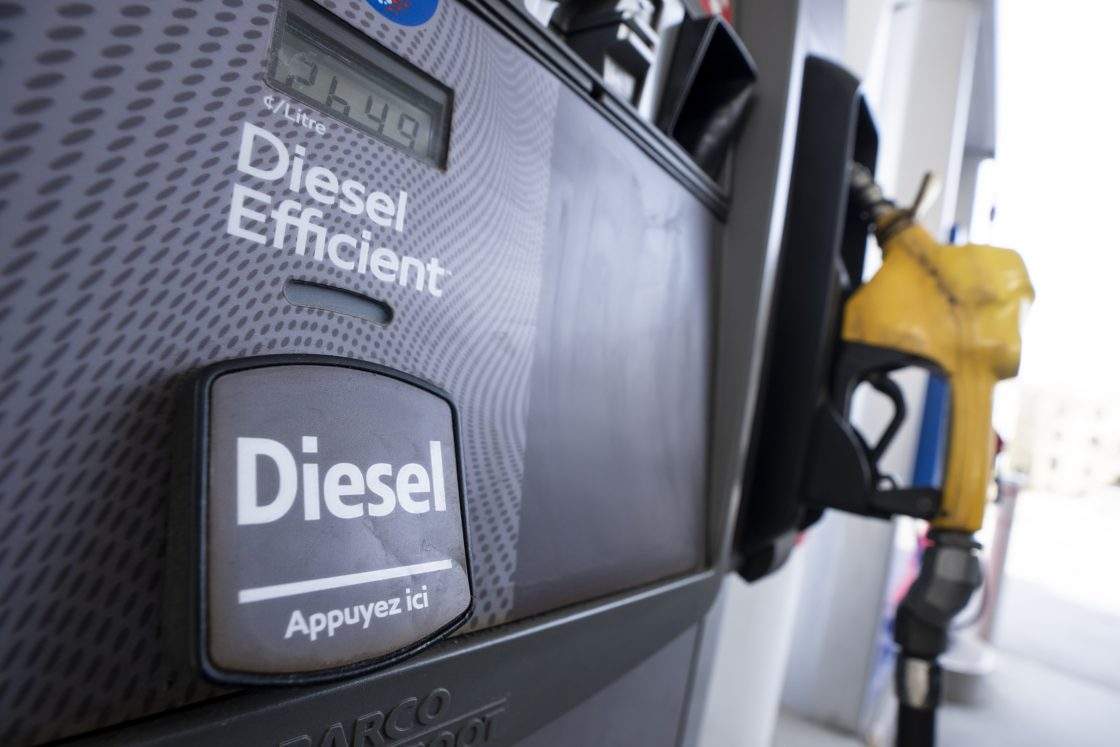
Whenever Washington starts whispering about restricting fuel exports, grocery bills and trucking logistics in Canada brace for impact. The idea of a United States diesel export ban sounds like a protectionist talking point, yet the ripple effects across the northern border carry severe economic weight.
Let's look at the baseline reality. Canada and the United States share an integrated energy grid. Refineries in the U.S. Midwest and Gulf Coast supply millions of gallons of refined products to Canadian provinces, while western Canadian crude feeds American processing plants. If American politicians block diesel from leaving the country to lower domestic prices at home, Canadian supply chains face an immediate squeeze.
Why would anyone propose this? White House pressure cooker politics. When fuel prices spike, politicians look for quick fixes. Restricting exports keeps domestic barrels inside U.S. borders, theoretically driving down local pump prices. But energy markets don't work in isolation.
Canadian transport relies heavily on imported refined diesel, particularly in eastern provinces where local refining capacity cannot keep pace with regional demand. If American suppliers stop shipping north, logistics companies, agricultural operators, and long-haul truckers absorb the shock instantly.
You won't escape the cost at the checkout counter either. Freight rates climb, shipping delays compound, and every product moving by semi-truck becomes more expensive to deliver. Food prices, construction materials, and manufacturing components all carry diesel in their pricing structure.
The real vulnerability isn't just about a single export ban threat. It exposes how dependent Canadian energy infrastructure remains on American processing capacity. Decades of stalled domestic refinery projects mean Canada exports raw crude south and imports refined fuels back north. When that cross-border pipeline gets choked by political posturing, the vulnerability becomes glaring.
Don't expect energy companies to absorb the cost of trade barriers. They pass every single cent down to commercial fleets and retail consumers. The next time U.S. trade policy takes a protectionist turn, Canadian policymakers will need a better playbook than hoping for exemptions. Securing long-term fuel independence requires actual infrastructure investment at home, not just crossed fingers at the border.


:max_bytes(150000):strip_icc():focal(749x0:751x2)/People_Mag_Jane_Fonda_cover-tout-47b3bcc142b543b7ae1233309543e806.jpg)