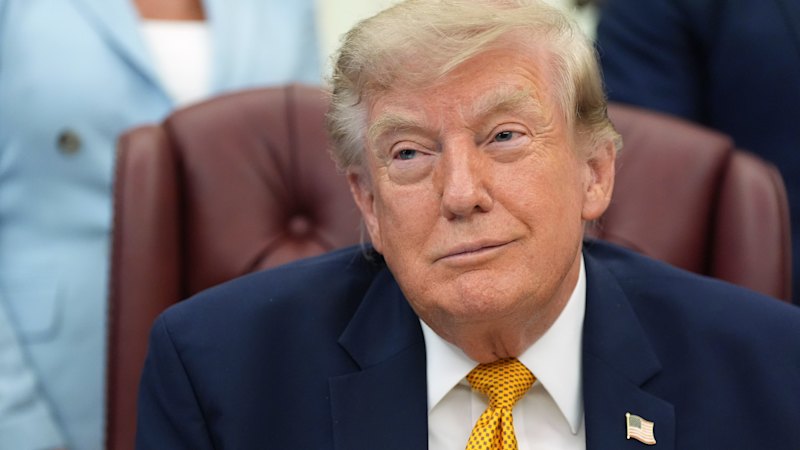
History says Donald Trump's party is walking into a buzzsaw. Since World War II, the president's party drops an average of 25 House seats in midterms. Trump's public approval sits around 36 percent. Pundits look at these numbers and pencil in a Democratic victory. They think they cracked the code.
They are missing the entire point.
Midterm elections don't run on traditional gravity anymore. Traditional rules fail when voter behavior shifts from policy evaluation to total tribal alignment. Let's look at what actually drives modern congressional outcomes instead of repeating outdated political science theories.
The Financial Engine of Modern Campaigns
Money tells the real story of American elections. Super PACs and mega-donors aren't hedging their bets this cycle. They are pumping hundreds of millions into conservative networks.
You can't discount cash flow. When MAGA-aligned political action committees stockpile massive war chests, they buy ground games that traditional party committees can't match. They fund hyper-targeted digital mobilization tools. They run relentless ad campaigns in swing districts months before opposition candidates can organize.
Voter turnout wins midterms. High-dollar funding ensures that low-propensity base voters actually show up. Trump doesn't need high approval ratings in national polls to win districts where his base holds numerical superiority. He needs motivated voters. Money buys that motivation.
Why Approval Ratings Lie
National approval numbers mean very little in a hyper-polarized electorate. When a pollster calls a registered voter and asks if they approve of the job the president is doing, they aren't measuring legislative satisfaction. They are measuring party identification.
Most respondents who say they disapprove of Trump still pull the lever for Republican congressional candidates. Why? Because they dislike the alternative far more.
- Voters care about cost of living, border security, and cultural direction.
- Localized messaging overrides national polling noise.
- Congressional candidates tie themselves to economic populism, distancing themselves from unpopular personal traits while keeping the policy platform.
Incumbents face danger when their own party turns on them. Yet, Republican retirements this cycle aren't creating the vacuum Democrats expect. Primaries are replacing retiring moderates with loyalist firebrands. That shift solidifies ideological consistency across the ballot.
The Democratic Blindspot
Democrats keep running on abstract threats to democratic norms. That strategy works in wealthy suburbs. It fails in working-class neighborhoods where inflation and wage stagnation dominate daily life.
Voters experiencing financial pressure don't vote to protect abstract institutions. They vote for disruption. Trump understands this frustration better than any consultant in Washington. He frames every congressional race as a referendum on elite failure.
Look at how campaign dollars are spent on the ground. Instead of funding broad-based coalition building, smart campaigns focus entirely on micro-targeting disaffected working-class voters who skipped previous midterm cycles. This dynamic changes the electorate completely.
Stop assuming historical trends apply to a political movement that completely rewrote the map. Watch the cash flow, watch the ground operations, and watch how local candidates weaponize economic anxiety. The outcome won't look like a standard midterm wave. It will look like a continuation of the realignment that reshaped American politics.