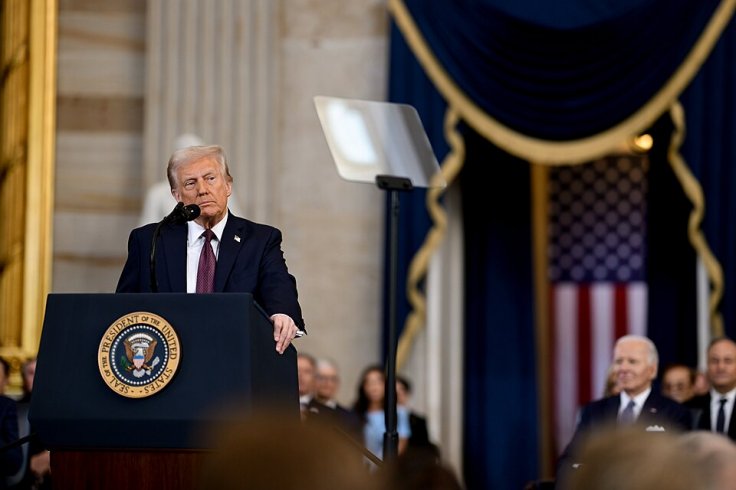
Donald Trump just hit pause on what he claimed would be the biggest military assault since World War II. Then he announced that fresh negotiations with Iran were set to begin. If you have followed this five-month conflict closely, you already know the script. Threats fly, markets panic, a last-minute cancellation occurs, and everyone tries to figure out if diplomacy is actually happening or if it is just another tactical breathing room.
Let's look at what is actually on the table, why Tehran is telling a different story, and what this means for global oil markets right now.
The Reality Behind the Halted Strikes
Over the weekend, Trump took to social media to declare that he had called off an imminent bombing campaign against Iranian infrastructure. His justification was straightforward: regional allies, including Saudi Crown Prince Mohammed bin Salman, and intermediaries urged Washington to prioritize dialogue. Trump claimed that the perimeters of a deal had been reached, pointing toward a framework covering the contested Strait of Hormuz and the long-term nuclear question.
Oil markets reacted instantly. Brent crude futures dropped more than 4 percent as traders priced in the sudden avoidance of a worst-case escalation. But financial relief might be premature. We have seen this cycle repeat multiple times since the conflict flared up in February 2026. Ceilings are threatened, ceasefires are floated, and within weeks, military action resumes because the core disagreements remain entirely unresolved.
Tehran Disputes Direct US Talks
While Washington insists that high-level dialogue is kicking off, Iran’s foreign ministry is pushing back on the narrative of direct bilateral negotiations. Tehran maintains that current discussions are strictly channeled through Oman. Their focus is narrow: managing safe passage and shipping routes through the Strait of Hormuz rather than signing a sweeping grand bargain with the White House.
This mismatch in public messaging highlights the fragile nature of the current moment. The US wants a comprehensive deal addressing regional proxy activities and nuclear ambitions. Iran wants relief from naval blockades and a secure lane to export its oil without inviting total annihilation. Those two positions are still miles apart.
What Regional Mediators Are Pushing For
Behind closed doors, Gulf states are sweating. A full-scale war hitting Iranian energy and civilian grids threatens to destabilize the entire Middle East economy. The regional proposal currently moving through Omani channels focuses on very specific mechanics:
- Reopening commercial shipping lanes through the Strait of Hormuz.
- Halting cross-border drone and missile activity by allied militias.
- Lifting the US naval blockade to allow limited Iranian crude exports under a tentative framework.
It is a pragmatic bargain designed to stop the bleeding. Yet, previous iterations of these talks collapsed because neither side trusts the other's enforcement mechanisms.
How to Track the Next Moves
Don't anchor your expectations to political press conferences or social media proclamations. Watch the physical movements on the ground instead. If tanker traffic resumes consistently through the Hormuz chokepoint and naval postures actually stand down for more than a few days, a real shift is happening. If cargo stays docked and rhetoric hardens by midweek, expect the military option to jump straight back to the top of the agenda. Keep an eye on actual shipping data rather than executive announcements.