The explosions anticipated across West Asia have been put on ice. US President Donald Trump announced that a massive series of retaliatory strikes against Iran was shelved at the eleventh hour, citing urgent requests from Tehran and regional powerbrokers.
Talks are officially back on the table. But beneath the diplomatic posturing, a high-stakes standoff persists over the Strait of Hormuz, an ongoing naval blockade, and Tehran's insistent demand that Washington honor the previous memorandum of understanding (MoU). If you are tracking the 2026 Iran war, you know that signed agreements have broken down before. This time feels different, yet equally fragile. If you enjoyed this post, you might want to check out: this related article.
The Anatomy of a Canceled Attack
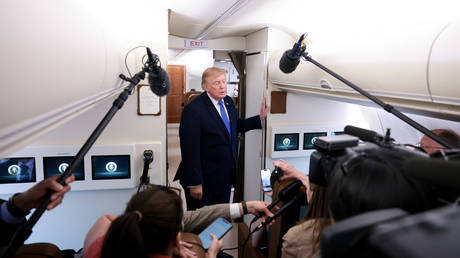
Trump claimed aboard Air Force One that the aborted bombing run would have been the largest military action since World War II. According to administration briefings, the strike packages were fully locked and loaded.
So why stop? Gulf allies, including Saudi Crown Prince Mohammed bin Salman, Qatar, and the UAE, lobbied hard for restraint. They know their own infrastructure sits directly in the crosshairs of any regional escalation. For another perspective on this story, refer to the recent update from USA.gov.
Oil markets reacted instantly to the sudden shift. Brent crude futures tumbled over four percent, sliding toward $83.85 a barrel as traders priced out an immediate catastrophic supply shock. Yet, a canceled strike doesn't equal lasting peace. The underlying friction points remain completely unresolved.
What Tehran Actually Wants From the New Talks
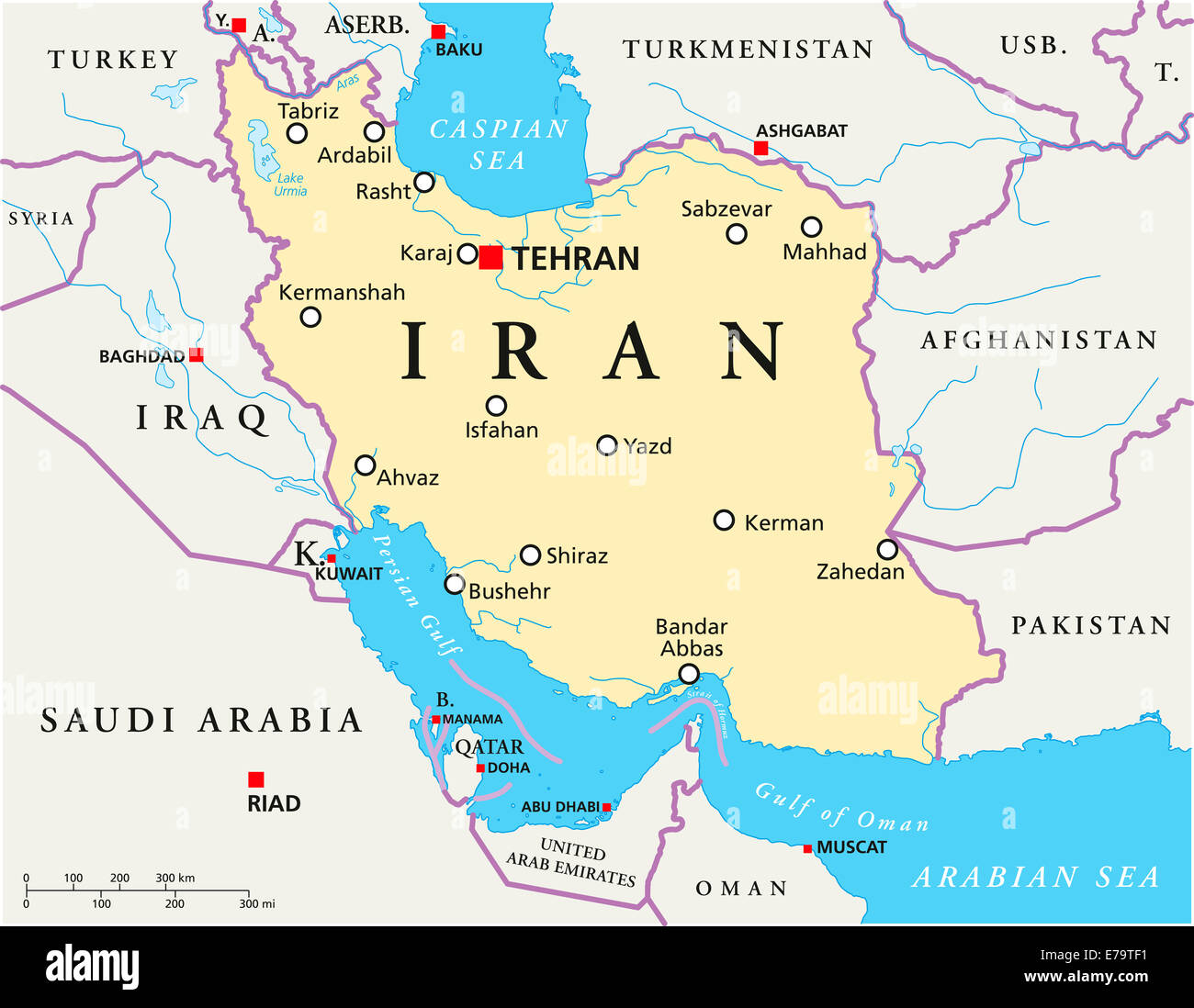
While Washington focuses heavily on the total reopening of the Strait of Hormuz and capping Iran's nuclear program, Iranian leadership has a different priority list. Iranian President Masoud Pezeshkian made it clear that the June-signed memorandum of understanding must act as the ultimate cornerstone for future relations.
Tehran's stance is blunt: the United States must respect prior commitments rather than rewriting terms on the fly.
The core sticking points include:
- Enforcing the previous MoU terms brokered via international intermediaries.
- Resolving maritime routing disputes through separate channels with Oman.
- Halting the aggressive US naval blockade that has already choked off dozens of commercial vessels.
Iranian officials have denied that a final deal is already inked, directly contradicting the more optimistic framing coming out of Washington. They maintain that the strategic waterway will not simply return to pre-war normal operations while hostile economic and military pressures continue.
The Ground Reality Behind the Diplomacy
You cannot look at these negotiations without examining the chaos on the ground. A US naval blockade in the Arabian Sea has redirected dozens of commercial ships, turning maritime logistics into a nightmare. Meanwhile, regional flashpoints are still burning. Israeli air strikes in Gaza continue to claim lives, complicating any regional buy-in from Hamas or allied networks.
US Secretary of Defense Pete Hegseth reiterated on social media that the Pentagon remains fully prepared to strike if diplomacy collapses. That warning is not subtle. The military machine is parked just offshore, idling.
What Happens Next in the Standoff
Negotiations are moving forward, but trust is entirely absent. If you are trying to understand how this plays out, watch the traffic through the Strait of Hormuz. Watch the implementation of the MoU commitments. If Tehran feels shortchanged by Washington, the fragile ceasefire framework will shatter just like it did in July.
Diplomacy has a brief window. Expect rapid developments as the delegations sit down to negotiate terms that both sides can claim as a victory.