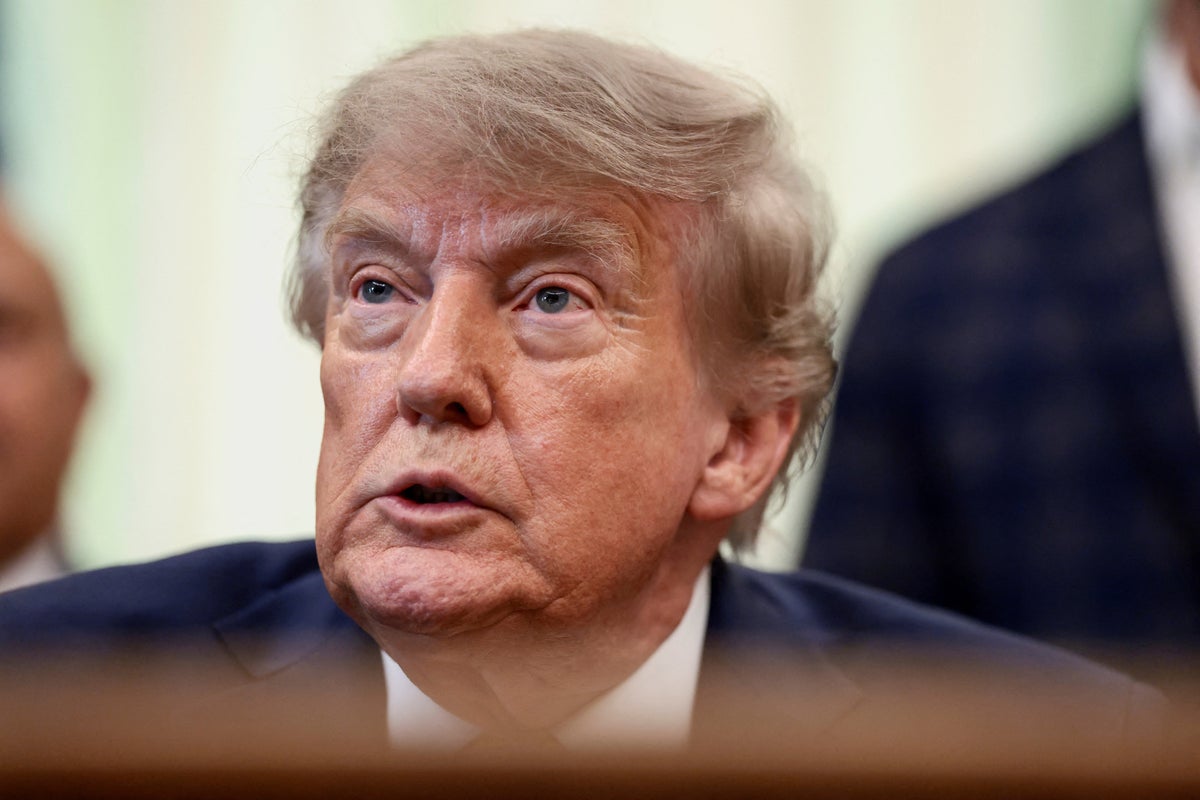
Months of intermittent air strikes, billions of dollars spent, and eighteen American service members dead. Yet, when pushed on the timeline and the true cost of the confrontation, Donald Trump shrugged off the entire ordeal as "small potatoes".
If you are wondering why the White House suddenly wants to rebrand a deadly six-month military campaign into a minor administrative footnote, look no further than the upcoming November midterms. Voters are feeling the pinch at the gas pump, and the administration is scrambling to change the subject before ballots are cast.
The Semantics Game Behind the Conflict
Words matter in Washington. They matter even more when Congress never officially declared war.
A day before Trump made his dismissal in the Oval Office, Vice President JD Vance stood at the podium and flatly rejected the label of a war. His reasoning? There was no active shooting at that exact second. Never mind that Iranian forces had just fired missiles toward Kuwait or that commercial shipping through the Strait of Hormuz remains heavily disrupted.
Trump backed that framing entirely. He told reporters that he prefers to call it a military conflict because it is "not a big thing" for the United States.
Downplaying a crisis of this magnitude is a calculated political gamble. When an administration faces mounting economic pressures—including fuel prices spiking past four dollars a gallon over holiday weekends—every foreign policy entanglement becomes an electoral liability. Calling it a minor dispute is an attempt to deflate voter panic.
Comparing Body Counts And Missing the Point
When journalists pressed the president on how he could possibly label the campaign "small potatoes" when eighteen families had buried their loved ones, Trump pivoted hard. He dragged up past historical conflicts, pointing to the operation in Venezuela where zero U.S. troops died, and wildly misstating Vietnam casualty figures while comparing the relative scale of sacrifice.
This is a classic deflection tactic. It misses the core frustration citizens and lawmakers have.
The issue isn't just about comparing casualty statistics from different eras. It's about accountability, lack of clear congressional authorization, and the absence of a defined exit strategy. Telling voters not to worry because past wars were bloodier rarely comforts people watching inflation climb alongside geopolitical instability.
The Real Cost at Home and Abroad
Beneath the rhetoric about "intermittent strikes" and controlling the Strait of Hormuz, the financial and human toll keeps mounting. Taxpayers have poured more than $37.5 billion into the effort. Shipping lane blockages have distorted global supply chains, keeping energy markets jittery.
Constitutional watchdogs and independent lawmakers have repeatedly pointed out that sidestepping the word "war" helps the executive branch bypass the strict timelines of the War Powers Resolution. Without a formal vote or a clear expiration date, the conflict drags on indefinitely, shifting from headline news to a simmering background crisis.
Dismissing the campaign as a minor distraction doesn't make the underlying dangers vanish. Energy prices remain volatile, regional proxies continue to trade blows, and eighteen American families are left dealing with a permanent void.
Brushing off a deadly overseas intervention as trivial might play well in a soundbite, but it fails to address the messy reality on the ground.
Trump gets testy and calls Iran war 'small potatoes' when pressed on length of fight
This video provides an authentic look at the heated Oval Office exchange where the president downplayed the military campaign.


