Donald Trump just threw a wrench into one of Kyiv's top strategic defense goals. Barely weeks after dangling the prospect of domestic production lines for advanced air defense, the White House is pumping the brakes.
If you've been following the frantic negotiations between Washington and Kyiv, the whiplash shouldn't surprise you. Trump told reporters he's simply "not sure" about handing over manufacturing licenses for the crown jewel of Western air defense.
The Shifting Narrative on Military Licenses
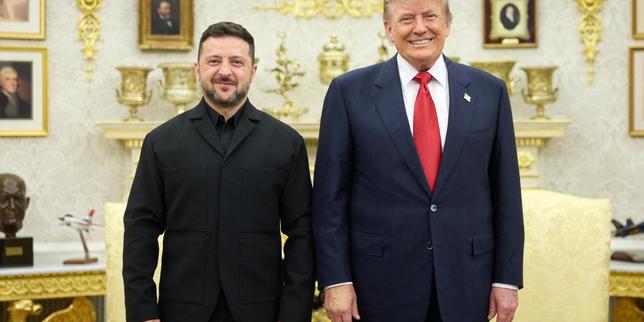
Let's look at what actually changed. Back at the NATO summit in Ankara, Trump stood next to Volodymyr Zelensky and made a characteristically casual pledge. He told reporters the U.S. would give Ukraine the green light to build its own Patriot interceptors. "We'll give them the right to make Patriots," he said back then.
Then came the White House meeting in late July, followed swiftly by a sudden cooling of enthusiasm.
In a phone interview with the Financial Times, Trump walked back the absolute certainty of that promise. He pointed to the extreme technical sensitivity of the hardware.
"It's a very extraordinary weapon, and we have to be a little bit careful of who we licence to," Trump noted. He added a blunt reality check: Washington doesn't casually hand out manufacturing permits for top-tier military gear.
Why Domestic Patriot Production Matters So Much
Ukraine needs interceptors badly. Russia's relentless barrage of ballistic and cruise missiles leaves civilian infrastructure and cities exposed on a weekly basis. Relying entirely on foreign shipments means waiting months or years for stockpiles to clear bureaucratic and industrial hurdles in the United States.
Defense experts point out that building complex weapons like the PAC-3 MSE interceptor requires intense precision. Supply chains are fragile. Specialized components take years to assemble.
Allowing Ukrainian defense firms to co-produce these systems alongside contractors like Lockheed Martin and RTX would theoretically transform Kyiv's defensive resilience. It bypasses transatlantic shipping bottlenecks. It keeps pace with high-volume missile attacks.
Yet, Washington worries about tech leakage and intellectual property security. Transferring blueprints for state-of-the-art radar and guidance systems involves heavy administrative friction.
The Bigger Diplomatic Picture
Trump is shifting the core narrative away from endless military expansion and toward a swift settlement. His message has pivoted sharply toward conflict resolution.
"We want the war in Ukraine with Russia ended. I'm not looking for missiles. We're looking for peace," Trump stated.
At the same time, diplomatic channels remain active. High-level delegations are moving quickly. Trusted advisors like Jared Kushner and Steve Witkoff are slated to make their first official trips to Ukraine to evaluate the situation on the ground.
Whether the Patriot production license is dead on arrival or merely stuck in bureaucratic purgatory depends heavily on how these upcoming diplomatic missions unfold. Right now, Kyiv's defense planners face a familiar reality: promises are easy to make in a summit press conference, but hard hardware takes ironclad clearance to build.