A group of hardline loyalists wants the White House to pull the trigger on an unprecedented executive action before voters head to the polls this November.
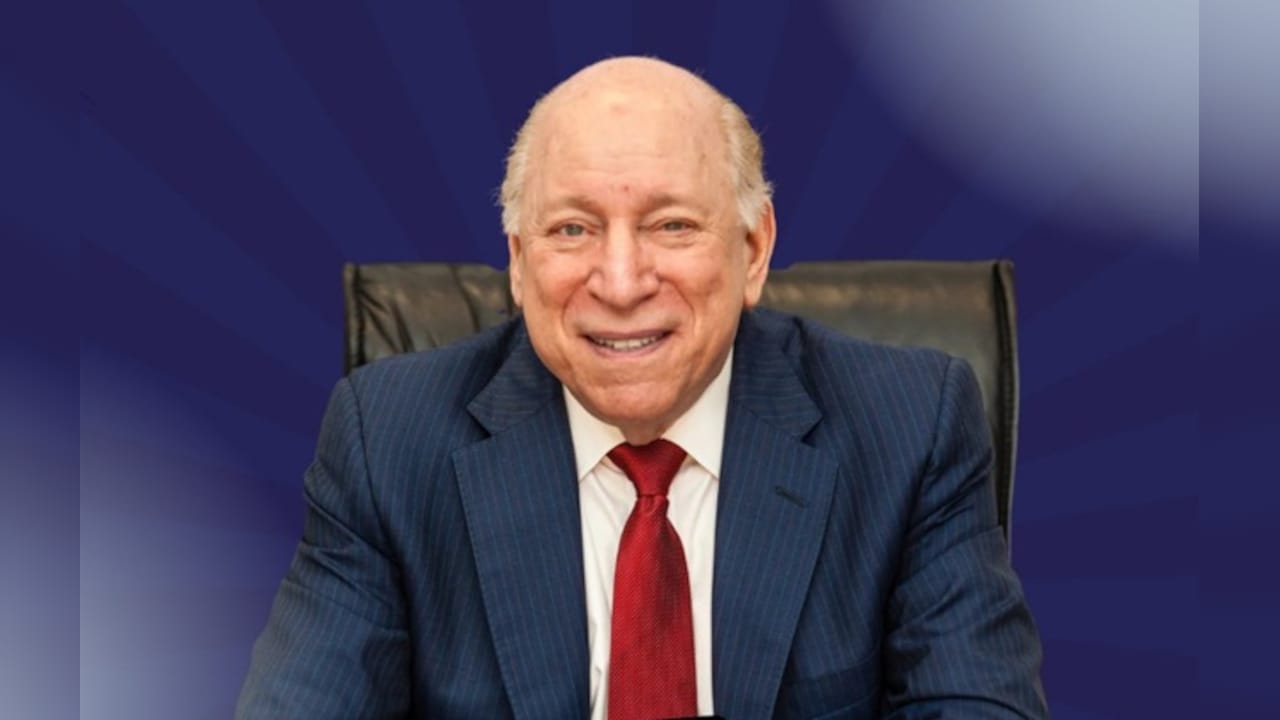
At the center of this push is Peter Ticktin, a Florida attorney who went to the New York Military Academy with Donald Trump back in the 1960s. Ticktin and a cohort of election theorists are lobbying the president to sign a sweeping 17-page draft executive order. The goal? Declare a full-blown national emergency over alleged foreign interference and use that declaration to radically reshape how the 2026 midterm elections are run.
This isn't just standard political posturing. The proposed order aims to grab federal control over processes that the U.S. Constitution explicitly leaves to individual states. It's a legal longshot that experts say would spark an immediate constitutional crisis, but the pressure from Trump's inner circle is mounting.
The 17-Page Blueprint to Upend Voting
The plan circulating in conservative circles is aggressive. It relies heavily on the unproven theory that foreign actors like China, Venezuela, and Iran are using electronic voting machines to secretly manipulate American elections. While government agencies and multiple court rulings have debunked these claims, Ticktin and his allies are using them as the foundation for an emergency decree.
If signed, the draft executive order would attempt to execute several sweeping changes across the country:
- Banning Mail-In Ballots: The order would unilaterally outlaw mail-in voting for the vast majority of Americans, restricting the practice heavily.
- Seizing Voting Machines: Federal authorities would be directed to confiscate electronic voting systems, including those from Dominion and Smartmatic, replacing them entirely with hand counts.
- Wiping Voter Rolls: All Americans would be forced to re-register to vote in person before the midterms, effectively invalidating current state voter registries.
- Continuous Re-Verification: Voters would have to re-verify their eligibility before every single election cycle.
Ticktin has been vocal about his goals, explicitly stating on right-wing programs that if the president doesn't call a national election emergency, the country will be lost. He argues that under the National Emergencies Act (NEA) and the International Emergency Economic Powers Act (IEEPA), the president has the authority to bypass Congress to protect national security.
The Legal Reality Check
Legal scholars and election experts aren't buying the argument. In fact, they're calling it completely unconstitutional.
While the IEEPA gives the president broad power to regulate international economic transactions and freeze foreign assets during an emergency, it doesn't give the White House the right to dictate local election mechanics. The law allows for the confiscation of property only when the U.S. is engaged in active armed hostilities or has been attacked by a foreign nation. Even then, that power applies to foreign-owned assets, not American-owned voting machines used by local municipalities.
Under Article I, Section 4 of the Constitution, the power to regulate the times, places, and manner of holding elections belongs strictly to state legislatures and Congress. A president cannot simply issue an executive order to wipe out state voter rolls or dictate counting methods. Doing so would completely ignore the separation of powers.
Where the White House Stands right now
Trump himself has given mixed signals on the proposal. When questioned by reporters about the 17-page draft, his initial response was dismissive, asking, "Who told you that?" He's denied plans to use emergency powers to take over the midterms directly.
Instead, the administration has publicly thrown its weight behind legislative efforts like the SAVE America Act. That bill aims to mandate proof of citizenship for voter registration, require voter IDs, and limit mail-in voting through traditional congressional channels. While the bill passed the House, it remains completely stalled in the Senate.
But while Trump claims he hasn't entertained Ticktin's specific memo, his allies aren't backing down. Figures like former Overstock CEO Patrick Byrne and various right-wing commentators continue to urge the administration to take "muscular" action. They remember 2020, when a similar draft order to seize voting machines via the Department of Defense was considered but never signed.
What Happens Next
The push for a national election emergency reveals a widening gap between fringe legal theories and established constitutional law. With the 2026 midterms rapidly approaching, watch for these specific developments:
- State-Level Pushback: Look for bipartisan coalitions of governors and secretaries of state to issue preemptive warnings that they will ignore any federal attempts to interfere with state election operations.
- Immediate Injunctions: If any version of this executive order is signed, expect civil rights groups and state attorneys general to file emergency lawsuits within minutes, freezing the order before it can take effect.
- Legislative Gridlock: The battle over voting rules will likely stay confined to the courts and state capitals, as the federal SAVE America Act remains deadlocked in Congress.