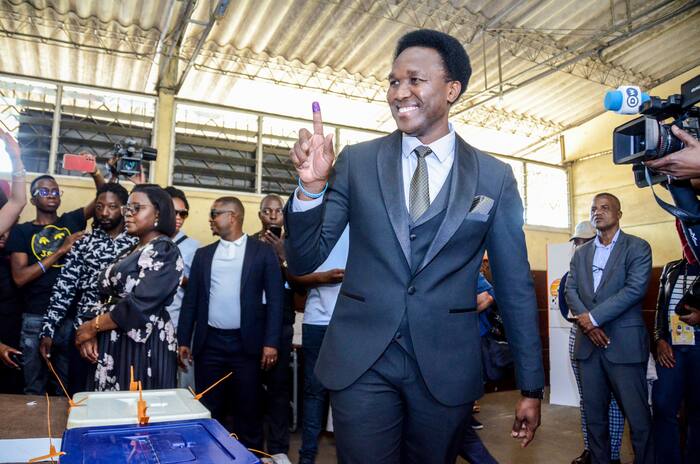
Courts are supposed to settle legal disputes, but when a courtroom becomes the main arena for political combat, democracy is already in trouble. In Maputo, the high-stakes trial of Mozambique's prominent opposition leader, Venâncio Mondlane, has officially begun at the Supreme Court. It is a
Why Africa is Watching the Trial of Mozambique's Top Opposition Leader
news
Courts are becoming the new battleground for political survival across the African continent. If you want to understand where governance is heading right now, look at Maputo. Mozambique's top opposition leader is facing trial, joining a growing line of political rivals hauled before judges from Dakar to Harare.
This isn't just a local legal proceeding. It’s part of a sweeping trend where ruling parties use the judicial system to sideline popular challengers when they can't beat them at the ballot box. You're watching a dangerous script play out in real time, and the implications stretch far beyond Mozambique's borders.
The Regional Playbook Against Dissent
Let's be honest about what is actually happening. When an opposition figure gains serious momentum, the response from entrenched power structures rarely involves a fair political contest. Instead, legal charges appear out of nowhere.
Venâncio Mondlane and his movement captured a massive wave of public frustration, particularly among young voters tired of decades of rule by the Frelimo party. But mass protests and electoral friction quickly led to crackdowns. Governments across the region have mastered this tactic. They wrap political exclusion in the language of law and order.
Judges sit in courtrooms while citizens protest outside. The state claims it's holding individuals accountable for public unrest or security violations. Critics see a clear attempt to dismantle political opposition before the next election cycle. Both things can't be true at the same time, but history usually favors the skeptical view.
Why This Trial Changes Everything for Mozambique
Mozambique sits at a critical economic crossroads. Massive liquefied natural gas projects promise wealth, yet most citizens live in deep poverty. Corruption eats away at public trust. When Mondlane mobilized crowds, he tapped into an immense reservoir of genuine economic anger.
Putting him on trial doesn't make that anger disappear. It validates every grievance the opposition has shouted from the streets.
- Public frustration is boiling over due to high youth unemployment.
- Security forces response to protests has drawn international condemnation.
- Trust in state institutions sits at an all-time low.
When you criminalize political opposition, you remove the safety valves of a functioning democracy. People stop believing that ballots matter when courtrooms hand down the verdicts on political careers.
The Broader African Context
Mozambique isn't an isolated case. Look across the continent over the past few years. Senegal jailed opposition figures before political shifts forced the hand of the establishment. Tunisia, Uganda, and Zimbabwe use similar judicial tools to harass critics, journalists, and rivals.
Authoritarian creep doesn't always arrive with tanks in the streets. Often, it arrives with a stack of formal indictments, a compliant prosecutor, and a televised trial that sends a chilling message to anyone else thinking about running for office.
Leaders clinging to power realize that outright coups look bad on the global stage. Trials, however, look procedural. They give autocrats a thin veneer of legitimacy while achieving the exact same goal: removing a dangerous rival from the political chessboard.
What Comes Next
Trials like this rarely end quietly. Even if the court rules against the opposition, the political fallout multiplies. Martyrs and defendants often emerge from legal battles with larger platforms than they had before the handcuffs went on.
Citizens are watching closely. The international community issues statements, but local populations bear the brunt of the instability. If Mozambique wants to avoid prolonged civil unrest, the solution won't be found inside a heavily guarded courtroom. It requires genuine political inclusion and economic reform.
Keep your eyes on Maputo. How this trial concludes will signal whether legal systems across the region are returning to fairness or sliding deeper into political control.