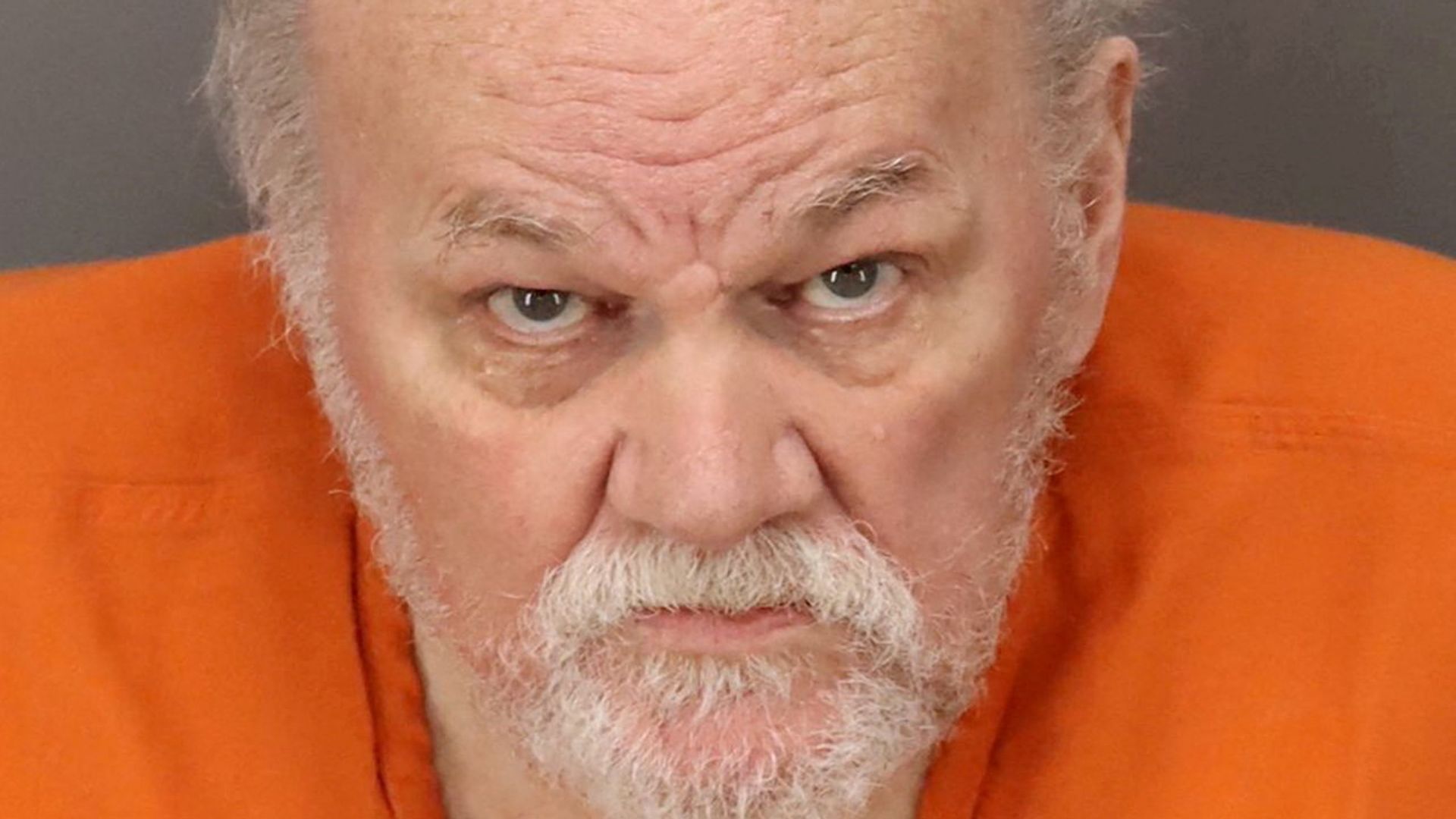
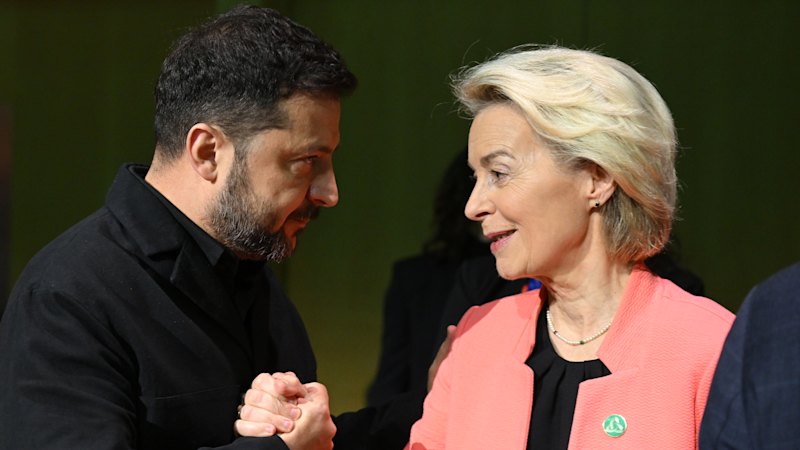
Federal prosecutors didn't just file a quick headline case. A federal grand jury indicted 82-year-old Thomas Markle Sr. on charges of possessing child sex abuse material tied to 35 mm film negatives of children under 12, escalating a saga that started with his November 6 arrest and quickly tangled two countries.
For years, coverage around Markle centered on tabloid feuds, staged paparazzi photos, and family estrangement. That framing looks completely different now. Following the indictment, Meghan Markle issued a pointed statement tying her long-standing distance from her father directly to protecting her own children.
I've followed high-profile federal cases and media narratives long enough to know that breaking-news clips leave out half the mechanics people actually care about. Viewers want to know what evidence prosecutors pointed to, why he ended up back in custody after an initial release, whether he's fit to stand trial, and how international authorities fit into the picture.
Why Thomas Markle Was Indicted on Child Sex Abuse Material Charges
According to the U.S. Attorney's Office for the Central District of California and Department of Justice statements reported around the indictment, prosecutors charged Markle with knowingly possessing 35 mm film negatives depicting children under age 12 on October 30 and November 4. Each count carries a maximum prison sentence of 20 years if he's convicted as charged.
Investigators pointed to material connected to the Philippines as well as two Los Angeles storage units Markle had rented since 2008. When agents searched a storage unit in October, they reported finding dozens of slides, film negatives, and books that the FBI determined contained child sex abuse material. Prosecutors also stated that a witness identified Markle in two of the images with a nude young girl, with additional photographs showing him alongside children in varying states of undress.
Those details explain why this moved far past a routine arrest notice. Physical analog media like 35 mm negatives and slides often sits undisturbed for years inside long-term storage, which is why investigators look closely at lease histories, chain of custody, and witness identifications when building a federal possession case.
The Timeline From Arrest to Ankle Monitor Failure
The sequence of events moved fast once federal agents stepped in. Markle was initially arrested on November 6.
After that initial arrest, he was granted release on personal recognizance under court-ordered conditions that included home detention and electronic monitoring. Pretrial release with GPS or ankle monitoring is common in federal courts when a judge weighs flight risk and age, though judges set strict rules around movement and tampering.
Days later, on November 10, authorities took Markle back into custody in Florida after alleging he tried to cut off his ankle monitor. Once a defendant tampers with or removes a monitoring device, judicial patience evaporates fast. He has remained in custody in Florida while awaiting extradition to Los Angeles for arraignment.
Competency Questions and Parallel Scrutiny in the Philippines
Before the indictment landed, a court-ordered psychiatric evaluation examined whether Markle was mentally competent to face prosecution. Under federal legal standards, competency isn't the same thing as an insanity defense at trial. It asks a specific, practical question: can the defendant understand the charges against them and rationally assist their defense counsel right now?
In a 90-minute competency interview in mid-November, Markle denied any wrongdoing and told the evaluating psychiatrist he didn't have child pornography or pictures of naked children. The psychiatrist concluded he understood the charges and could work with his lawyer, while also noting instances of "malingering," or exaggerating symptoms, during the evaluation. Following that assessment, a judge ruled him competent to stand trial.
Meanwhile, the legal pressure isn't limited to California federal court. Authorities in the Philippines—where Brig. Gen. Allen Rae Co issued a written statement—have also investigated Markle over alleged possession and intent to distribute illegal child abuse images. Cross-border cases bring extra layers of evidence sharing, diplomatic coordination, and separate local legal standards that can unfold alongside or after U.S. proceedings.
What People Get Wrong About High-Profile Indictments
When a familiar public figure gets indicted, two opposite mistakes show up right away in public discussion. One side treats an indictment like a finished verdict. The other assumes every detail in a charging release is already settled fact.
Here's how to keep your head straight as the case moves forward:
- An indictment is an accusation, not a conviction: A grand jury decides whether probable cause exists to bring charges, not guilt beyond a reasonable doubt. Markle has denied wrongdoing, and federal prosecutors still have to prove every element of each count at trial or reach a plea agreement.
- Competency is a baseline threshold: Being ruled mentally competent to stand trial means the case can move forward. It doesn't decide guilt, nor does it block defense motions challenging searches, warrants, or witness identifications.
- Tabloid history distorts serious criminal reporting: Years of family disputes and celebrity gossip made people quick to project motives onto every headline. When federal charges involve child sex abuse material, legal procedure and evidentiary rules matter far more than family drama.
How to Follow the Case Without Getting Burned by Rumors
Because Meghan Markle's family ties guarantee heavy social media noise, false claims and recycled clips spread almost instantly after major updates. If you want accurate information rather than secondhand speculation, stick to primary and wire-grade reporting.
- Check official U.S. Attorney's Office releases: Look directly for announcements from the U.S. Attorney's Office for the Central District of California to verify exact counts, custody status, and court dates.
- Rely on wire and court-beat coverage: Outlets like Associated Press and CBS News track docket filings, extradition steps, and courtroom proceedings more carefully than rumor accounts.
- Separate statements from evidence: Read official statements from family members or law enforcement for what they actually say, without blending personal grievances into legal findings.
- Watch the Los Angeles arraignment next: With extradition to Los Angeles expected after his time in Florida custody, formal arraignment and pretrial motions will set the real pace of the case.