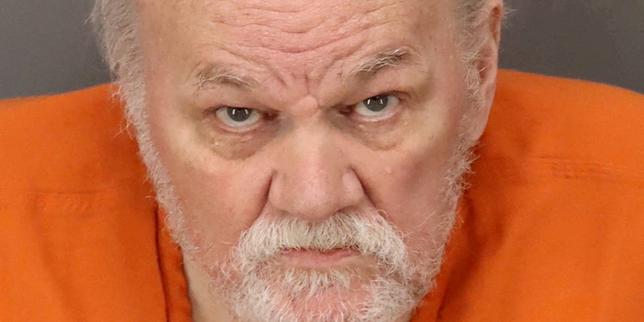
A federal grand jury in Los Angeles just doubled the federal counts against Thomas Markle, charging the 82-year-old estranged father of Meghan, Duchess of Sussex, with two counts of possessing child sexual abuse material. Prosecutors announced the indictment on November 24, 2026. Each count carries a statutory maximum of 20 years in federal prison if he is convicted.
Markle denies every allegation. Still, the legal shift changes the pace of the case immediately. Instead of waiting around for a preliminary hearing in Florida, the case moves toward arraignment and transfer to federal court in Southern California.
Plenty of headlines treat this story like just another tabloid shockwave tied to the British royal family. That misses what actually happened. Here we have a cross-border investigation starting in the Philippines, expanding to two long-held storage units in Los Angeles, running straight into a mental competency evaluation in Tampa, and ending with a formal federal indictment.
How the Thomas Markle Case Unfolded Across Borders
Most people only caught up with the story when news broke of his arrest in early November 2026. The timeline goes back further than that.
Earlier in 2026, Markle was living in the Philippines when he suffered a stroke and had his left leg amputated. Those medical emergencies forced him back to the United States, where he settled in Florida. Around mid-2026, reports indicate his son, Thomas Markle Jr., contacted U.S. authorities and later gave a sworn statement to Philippine police after finding suspected child sexual abuse material among family items.
Things moved quickly once law enforcement compared notes. Philippine officials investigated digital devices at Markle's former home in Cebu City, and police there subsequently filed complaints tied to alleged possession and distribution or offering of child sexual abuse material. In the United States, the FBI obtained warrants for two storage units in Los Angeles County that Markle had rented since 2008, with autopay payments continuing into October 2026.
Agents seized roughly 78 items across the two units, including film negatives, slides, photographs, and books containing suspected child sexual abuse material. Prosecutors allege the material includes 35mm film negatives depicting children under 12, and court filings state a witness who has known Markle since the 1970s identified him in images showing a nude young girl, alongside other photos depicting him with children in various states of undress.
I've watched plenty of high-profile prosecutions stall when evidence is scattered across jurisdictions. What makes this file tricky for the defense isn't just the volume of items seized from storage. It's the paper trail of autopay rent going back years and the interstate or international commerce element federal prosecutors use to establish jurisdiction over physical film and negatives.
Competency, Custody, and What Happens Next
After FBI agents arrested Markle at a senior living facility in Florida on November 6, 2026, a judge initially released him on bond or personal recognizance with conditions including home detention and electronic monitoring. Days later, authorities say he cut off his ankle monitor and was taken back into custody in Florida, where he has remained jailed.
Mental fitness became an immediate question given his age, recent stroke, amputation, and time in custody. A court-appointed psychiatrist, Dr. Amie Gerodimos, interviewed Markle for 90 minutes and filed a report concluding he understands the charges against him and can assist his defense attorney. According to reporting on that evaluation, Markle maintained his innocence and pointed the finger at his son during the interview. On November 19, a federal magistrate judge in Tampa ruled him competent to stand trial, and his defense did not contest that finding.
Now that the grand jury has returned a formal two-count indictment, expect a few concrete procedural steps next:
- Transfer to California: Markle is expected to be moved from Florida custody to the Central District of California to face the indictment in Los Angeles, canceling the preliminary hearing previously set in Tampa.
- Arraignment and plea: Once transferred, he will be formally arraigned on the indictment and enter a plea.
- Pretrial motions and discovery: Defense counsel will review the seized physical media, witness identifications, and search warrant records, and may challenge searches, statements, or evidentiary admissibility before any trial date is set.
- Parallel overseas review: Separate from the U.S. federal prosecution, prosecutors in Cebu, Philippines, evaluate the police complaints arising from the investigation there.
Let's be honest about one detail people get backwards when reading about a grand jury indictment. An indictment isn't a conviction. It means a grand jury found probable cause to bring formal charges. Under U.S. law, Markle is presumed innocent unless proven guilty beyond a reasonable doubt in court.
Why Royal Estrangement Keeps Dominating the Coverage
When Meghan Markle married Prince Harry in 2018, Thomas Markle didn't attend, and the rift between father and daughter became a permanent fixture of celebrity news. Years of public interviews and family friction conditioned audiences to view every headline through a royal family lens.
Following his arrest, Meghan Markle issued a statement saying she was "deeply distressed" and expressing concern for any children who may have been harmed, while noting that keeping distance from her father had been about protecting her own children. That statement cuts right through years of media spin over why she stayed estranged from him.
Still, readers shouldn't confuse family estrangement with criminal liability. The U.S. government isn't prosecuting him over family drama or tabloid feuds. Prosecutors at the U.S. Attorney's Office for the Central District of California and the FBI are building a statutory case under federal child exploitation laws based on physical evidence seized from California storage units and witness statements.
Common Misconceptions About Federal Indictments and Storage Evidence
Cases involving old storage units and physical film trigger plenty of bad assumptions online. Here are the traps to avoid as coverage continues:
- Assuming an indictment proves guilt: A grand jury hears evidence presented by prosecutors to decide if charges are warranted. Guilt requires proof beyond a reasonable doubt at trial or a guilty plea.
- Thinking physical film works differently from digital files: People often assume federal child sexual abuse material cases are purely online dark-web operations. Federal law covers physical depictions as well—including photographs, slides, and film negatives—especially where interstate or foreign transport is alleged.
- Treating competency as a clean bill of health: Being ruled competent to stand trial under U.S. legal standards means a defendant has a sufficient present ability to consult with a lawyer with a reasonable degree of rational understanding and a rational as well as factual understanding of the proceedings. It doesn't erase serious medical issues like stroke recovery or limb amputation.
- Merging U.S. and Philippine proceedings: A U.S. federal indictment in Los Angeles and a police complaint in Cebu are separate legal tracks governed by different laws and courts.
Practical Next Steps for Following the Case Safely and Accurately
If you want to keep up with this story without getting pulled into rumors or harmful content, stick to disciplined habits:
- Read primary court and DOJ releases: Check updates directly from the U.S. Attorney's Office for the Central District of California or wire reports from organizations like the Associated Press for exact charges, court dates, and rulings.
- Watch the transfer and arraignment docket: Track when Markle is moved from Florida to Los Angeles and what plea is entered at arraignment, since those milestones shape the pretrial schedule.
- Never seek out or share alleged material: Never search for, click, download, or redistribute any images or descriptions tied to child sexual abuse material. Possessing or distributing such material is a severe federal crime, and doing so also revictimizes children.
- Separate verified filings from commentary: Treat punditry and family commentary as opinion, and rely on unsealed court records and official statements for facts.