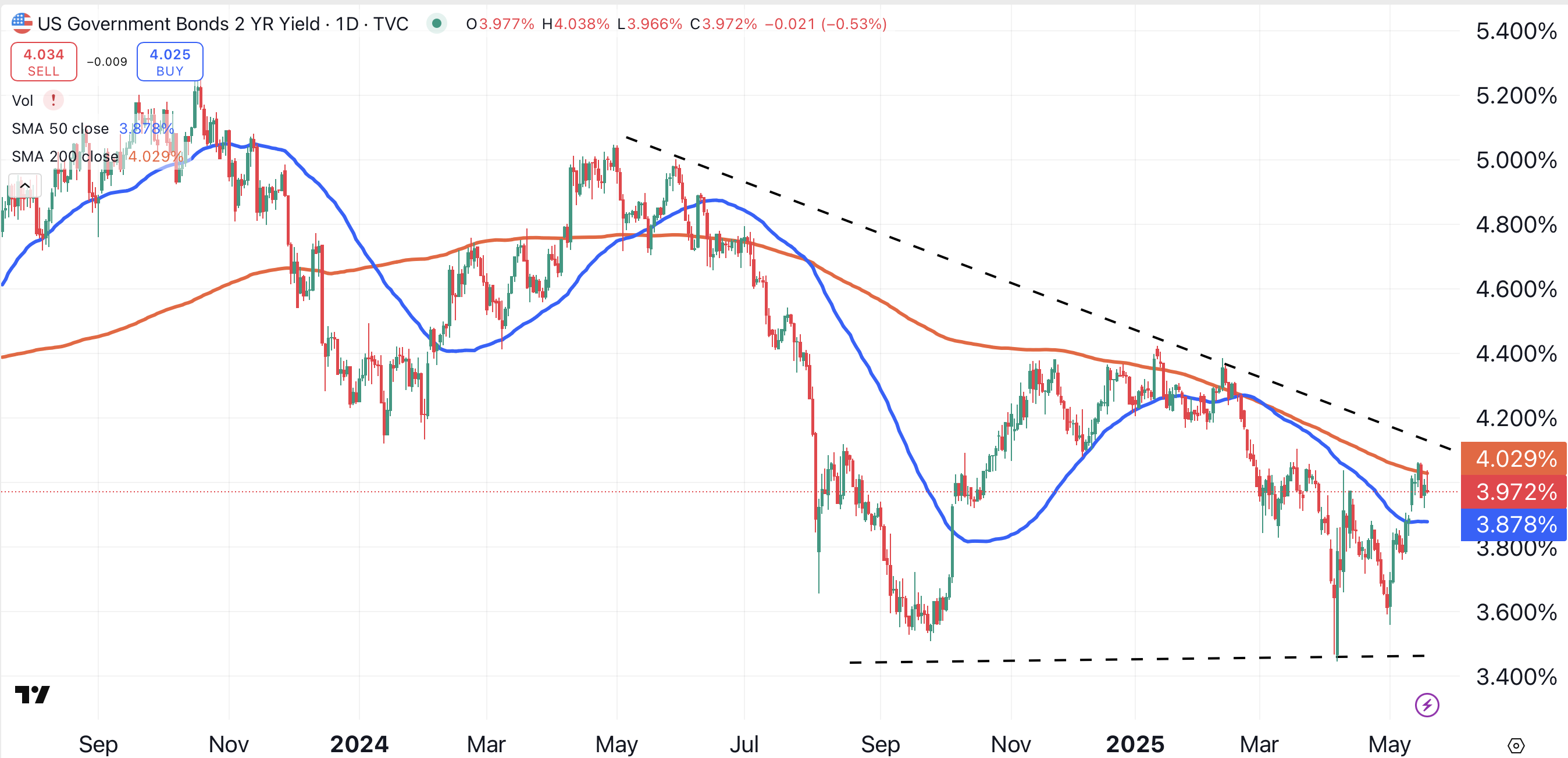
If you’ve been watching your portfolio bleed lately, you aren’t alone. Treasury yields—specifically on the 30-year bond—just touched levels not seen since 2007. That isn’t just a random number on a screen. It’s a loud, aggressive signal from the bond market that the era of cheap money is dead and buried.
Most people see a headline about "yields pulling back" and think the crisis is over. Don't be fooled. That tiny retreat is just noise before the next wave of volatility.
The bond market is sending a warning
When yields spike like this, it’s basically the market shouting at the U.S. government. They’re tired of the endless borrowing. With the national debt knocking on the door of $40 trillion, investors are finally demanding a higher "risk premium." Basically, they want more money to hold onto U.S. debt because they’re starting to worry that the fiscal situation is becoming unsustainable.
But it’s not just about the math. Geopolitics is playing a massive role. The breakdown of peace talks between the U.S. and Iran has sent oil prices soaring. When oil goes up, inflation expectations usually follow. Bondholders hate inflation. It destroys the value of their fixed-interest payments over time. So, when they see conflict-driven inflation on the horizon, they dump bonds, which drives yields higher. It’s a vicious cycle.
Why the FOMC minutes matter more than usual
You’ll hear everyone obsessing over the upcoming Federal Open Market Committee (FOMC) minutes. They’re looking for clues on whether the Fed, under Chair Kevin Warsh, will keep rates "higher for longer."
Honestly, the minutes might be a letdown. The Fed is stuck in a weird spot. They have a labor market that’s showing cracks—nonfarm payrolls actually shed 23,000 jobs in July—but inflation remains sticky. If the Fed caves and signals a rate cut too early, they risk letting inflation spiral. If they hold tight, they might push a cooling economy into a genuine recession.
The market is currently pricing in a 2-in-3 chance of "no change" at the next meeting. That’s a huge shift from just a few weeks ago. Investors are nervous because they know the Fed is flying blind, leaning on data that’s often revised downward a month later.
What you need to know about your portfolio
If you’re trying to navigate this, stop thinking that long-duration bonds are a "safe" place to hide. In this environment, they’re actually one of the riskiest assets you can own.
- Duration matters. When interest rates rise, the price of existing bonds falls. If you own long-term bonds, you’re losing money every time yields creep up. Many professionals are shifting toward short-to-intermediate-term maturities right now. It’s a way to collect income without getting crushed by price volatility.
- Diversification isn’t dead, but it’s harder. Gold usually acts as a hedge against inflation and uncertainty. Lately, even gold has been struggling because as yields hit these highs, the opportunity cost of holding a non-yielding asset like gold becomes too high for many institutional investors.
- Watch the credit spreads. So far, the corporate bond market has been surprisingly calm. If that changes—if spreads start to blow out—it means companies are having a hard time refinancing their debt. That’s the real "tell" that a recession is hitting.
Practical steps to take today
Don't wait for the FOMC minutes to adjust your strategy. If you’re overexposed to long-term Treasuries, you’re betting that inflation will vanish overnight. That’s a bad bet.
- Check your maturity ladder. If your bond holdings are all 20+ year durations, move some of that capital into 2-5 year notes. You’ll get a decent yield without the massive price swings.
- Ignore the "dip" narrative. The pullback we saw this week is minor. We are in a structural trend of higher borrowing costs. Position yourself for volatility, not a return to 2021-style easy money.
- Stay liquid. When the market is this jumpy, cash is a valid position. It gives you the flexibility to buy if credit markets actually do panic and provide a better entry point later.
The market is telling you exactly what it thinks of the current fiscal and inflationary reality. You just have to listen. Stop overthinking the Fed's rhetoric and start looking at what the bond vigilantes are doing. They’re the ones driving the bus now.