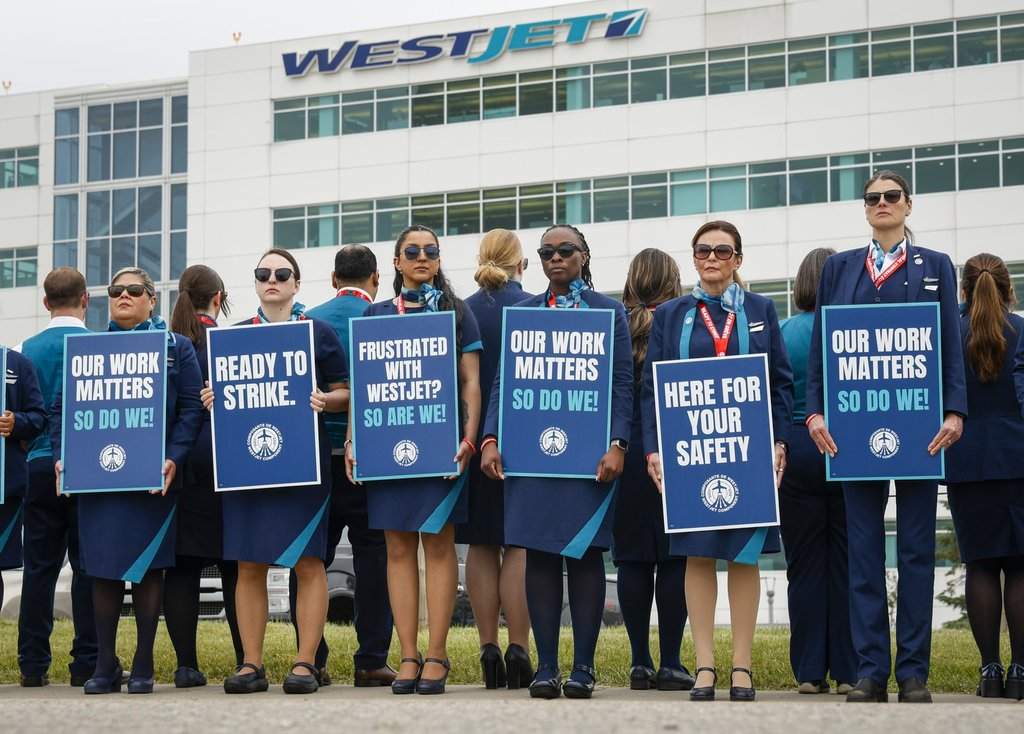
The clock is ticking down fast for thousands of Canadian travelers. Around 4,400 flight attendants represented by CUPE Local 8125 could walk off the job as soon as Sunday, August 2, if a last-minute collective agreement isn't reached. While federal transport officials insist that intense bargaining sessions are progressing behind closed doors, passengers caught in the middle are sweating bullets over their summer vacation plans.
If you are scheduled to fly anytime soon, you need to look past the political optimism. Let's break down what is actually happening at the bargaining table, why this standoff feels eerily familiar, and what you should do right now to protect your travel itinerary.
The Core Disagreement Stalling the Talks
At the heart of this dispute is a glaring operational reality that cabin crews across North America are pushing back against: ground-time compensation.
For years, standard airline industry practice has relied on a credit hour system. Flight attendants traditionally get paid strictly when the aircraft door closes and the plane pushes back from the gate, up until it arrives at the destination gate. All those unpaid hours spent boarding passengers, dealing with delayed pre-board checks, and managing tarmac congestion before departure do not count toward their base paycheck.
Following an overwhelming 99.4 per cent strike mandate vote in mid-July, the message from the union is crystal clear. Flight attendants are done working for free before takeoff. This exact flashpoint mirrors the intense labour friction seen across the aviation sector recently, including major job action threats at other legacy airlines. WestJet management has acknowledged that the compensation model needs adjustment to account for modern inflation, but bridging the gap between corporate budget constraints and employee expectations is proving brutal.
What Happens to Your Ticket If Talks Fail?
Panic buying alternative tickets or refreshing your flight status app every five minutes won't help. Understanding the exact timeline will.
Before any legal strike action can formally paralyze operations, the union must issue a mandatory 72-hour notice. That requirement triggers an immediate operational wind-down plan. Airlines do not wait until Sunday morning to ground a fleet; they start pulling aircraft out of rotation days prior to prevent crews and planes from getting stranded in remote airports.
If you are ticketed on mainline WestJet flights between July 30 and August 4, the carrier has introduced a flexible change and cancellation policy. You can alter your itinerary or scrap your trip without incurring standard fees. Take advantage of that window if your trip carries high stakes.
Keep in mind that not every flight is vulnerable. If your itinerary involves regional WestJet Encore service or codeshare flights operated entirely by international partners like Delta Air Lines, those routes remain fully insulated from the cabin crew dispute.
Actionable Steps for Travelers Right Now
Stop waiting for a miracle announcement from government ministers. Ministers have every incentive to project calm while negotiations stretch deep into the night. Take control of your travel arrangements immediately using these concrete steps.
- Check your ticket stock to confirm whether you are flying mainline WestJet or a regional partner.
- Monitor the official union and airline updates daily for any sudden 72-hour strike notice warnings.
- Review alternative carrier options immediately so you aren't stuck paying surge pricing if cancellations start rolling in before the weekend.
Flexibility is your only real defense when labour disputes hit peak intensity. Rebook early or prepare for disruption.