When public housing bureaucracy collides with basic human survival, common sense usually takes a hit. Torrey Holliday learned this lesson the hard way in St. Louis. After using a firearm to stop an armed robber who targeted him in his own apartment building lobby, Holliday didn't receive support from his landlords. Instead, he got an eviction notice.
Police and prosecutors looked at the exact same evidence and labeled Holliday a victim of a crime who acted in strict self-defense. Meanwhile, the St. Louis Housing Authority reviewed surveillance footage of the July incident, ignored the criminal charges against the intruder, and decided that defending your life constitutes a lease violation.
When Self-Defense Violates the Lease
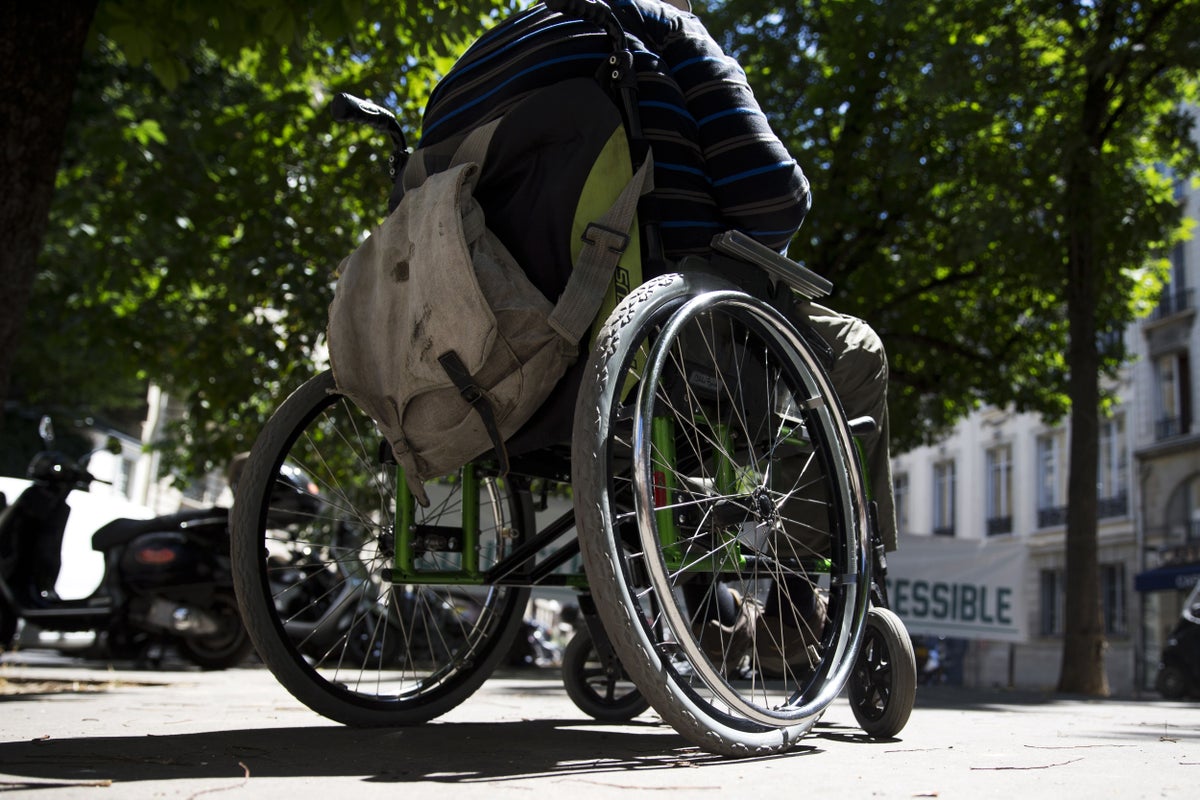
The disconnect between public safety agencies and housing authorities creates an impossible trap for vulnerable tenants. Holliday, who uses a wheelchair, found himself cornered in the lobby of his apartment complex on the 5300 block of North Euclid. According to court records and police reports, a man named Randall T. Taylor had previously stolen a firearm from him. When they crossed paths again, Taylor confronted him, declared a robbery, and kept advancing even as Holliday tried to roll his wheelchair away.
Holliday drew his weapon, fired, and protected his life. Law enforcement subsequently charged Taylor with first-degree robbery, armed criminal action, and unlawful possession of a firearm. Yet, the housing agency chose to focus exclusively on Holliday's defensive actions, slapping him with a 10-day notice for "criminal activity" and conduct threatening resident safety.
"I woke up the next morning, and they were not even trying to ask me, 'Am I alright? What happened? Is it ok?' Nothing," Holliday told local reporters. "All they hit me with was a big package saying, 'You got to be out.'"
The Reality of Public Housing Security
Bureaucrats sitting in climate-controlled offices love strict rulebooks. They rarely consider what happens when those rules fail to keep people safe on the ground. Holliday pointed out a glaring reality of his building: a lack of active security. There were no guards downstairs. There were no functional deterrents keeping dangerous individuals out of the common areas.
When you live in a facility that doesn't protect you, you look out for yourself. That's not a radical philosophy. It's an instinct. Neighbors like Marvin McGee pointed out the obvious absurdity of penalizing a disabled tenant for surviving an attack. "He did break the gun policy," McGee noted. "But still, look at his condition. Somebody messed with him. He didn't mess with nobody."
Lease enforcement is supposed to weed out bad actors who threaten communities. Using it to evict a wheelchair user who successfully fought off an armed assailant completely turns justice upside down.
Fixing the Policy Blind Spot
Housing authorities hide behind administrative discretion and privacy regulations when public backlash hits. They claim lease agreements are separate from criminal courts. That technicality allows agencies to punish victims without ever proving malicious intent or community endangerment.
If you or someone you know faces unfair housing displacement, the path forward requires immediate legal defense and public advocacy. Document everything. Pull the police reports. Demand that housing boards reconcile their rigid policies with constitutional rights to self-preservation. When rules punish victims for breathing, the system itself is what needs to be evicted.
This video provides local news coverage and visual context regarding the St. Louis housing dispute and the surveillance footage of the incident.
http://googleusercontent.com/youtube_content/1