We live in an age where massive global shifts happen over a single weekend, while most of us are just trying to catch up on sleep. While you were offline, engineers quietly repurposed naval warfare tech to cut commercial shipping emissions, lunar programs passed heavy stress tests, and local infrastructure in Hong Kong hit a raw nerve. If you missed the headlines, let's break down what actually matters from the past few days.
Naval Engineering Meets Cargo Ships
Forget what you thought you knew about military tech staying strictly on the battlefield. Chinese engineers recently adapted high-speed torpedo technology to tackle one of the ugliest problems in global logistics: cargo ship fuel consumption.
Maritime shipping burns staggering amounts of heavy fuel oil, choking coastlines and pumping carbon into the atmosphere. The fix isn't just about cleaner fuel formulas. It is about physics. Researchers installed a second-generation intelligent Bubble Lubrication System onto a newly built 50,000-tonne chemical tanker.
How does it work? It borrows fluid dynamics principles originally mastered for high-speed underwater torpedo propulsion. By coating the hull in a microscopic blanket of air bubbles, the system slashes hydrodynamic drag. The result is a solid five percent reduction in fuel use. When scaled across global fleets, saving five percent isn't just a rounding error. It changes the entire economic and environmental calculus of moving goods across oceans.
The Quiet Race to the Moon
Space agencies love a flashy launch, but the real engineering happens in remote testing facilities where things either work or blow up. China's lunar strategy continues to lean into a slow, deliberate cadence that contrasts sharply with the high-stakes, move-fast-and-break-things approach favored elsewhere.
Recent updates from Hebei province highlight successful comprehensive landing and take-off verification tests for the Lanyue lunar lander. While public attention usually fixates on crewed capsules like the Mengzhou returning safely from orbit, the ground-level validation of landing legs, descent engines, and autonomous guidance systems tells the real story.
Why does this method win adherents? Because building a reliable lunar infrastructure requires boring repetition. Testing every valve and thruster hundreds of times before leaving Earth's atmosphere is unglamorous. It is also the only way to keep astronauts alive when they finally touch down on the dust.
Engineering Blunders Right at Home
Not all engineering news this week involved high-tech marvels or deep space. Sometimes, the systems right beneath our feet remind us how easily basic oversight fails.
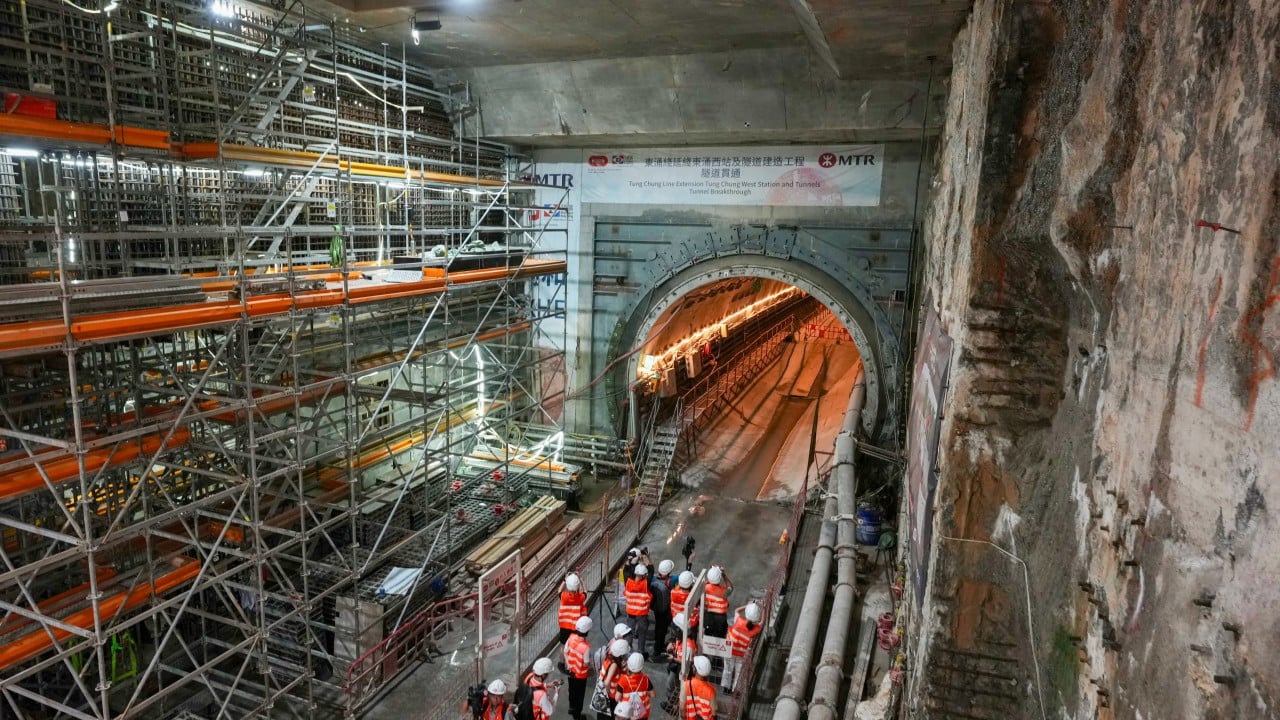
In Hong Kong, construction defects at a major MTR station sparked furious debates among lawmakers and transit engineers. Critics labeled the flaws "unimaginable" for a transit network renowned globally for its efficiency. The fallout exposed a classic corporate blind spot: frontline workers spotted warning signs early, but rigid reporting structures blocked those concerns from reaching decision-makers in time.
Transit authorities are now under immense pressure to overhaul their whistleblowing mechanisms. It is a harsh reminder that no amount of advanced automated signaling or high-speed rail tech can compensate for a culture that ignores the people mixing the concrete and tightening the bolts.
Geopolitical Friction Over Legacy Hardware
Defense diplomacy rarely moves in a straight line, and a fresh diplomatic flare-up this week proved it. India publicly questioned United States defense policy consistency after Washington advanced a support and upgrade package for Pakistan's F-16 fighter fleet.
For New Delhi, these regional military balances carry heavy security implications. The friction highlights a persistent diplomatic tightrope where global powers try to maintain bilateral partnerships across rival nations without tipping local stability. These defense deals look clean on a spreadsheet signed in Washington or Islamabad, but they ripple directly through South Asian security dynamics.
A Nation Mourns a Tiny Cub
On a more somber and human note, conservation news out of China captured widespread public grief this week. A five-month-old snow leopard cub named Ling Xiaohan lost a grueling 26-day battle for survival after wildlife rangers found her severely injured and abandoned in a remote region.
Veterinarians and animal caretakers fought around the clock to save the cub, sharing daily medical updates that gripped millions on social media platforms like Weibo. Her death triggered an outpouring of grief, turning a local wildlife rescue story into a national conversation about habitat loss, climate pressures, and the fragile existence of apex predators in high-altitude environments.
Big policy shifts and trillion-dollar infrastructure projects dominate the front pages, but sometimes it's the quiet loss of a single endangered cub that reminds us what is at stake on this planet. Take a close look at how these threads connect. Industrial efficiency, space exploration, local accountability, and wildlife conservation all demand the exact same thing: paying attention to details before they break.