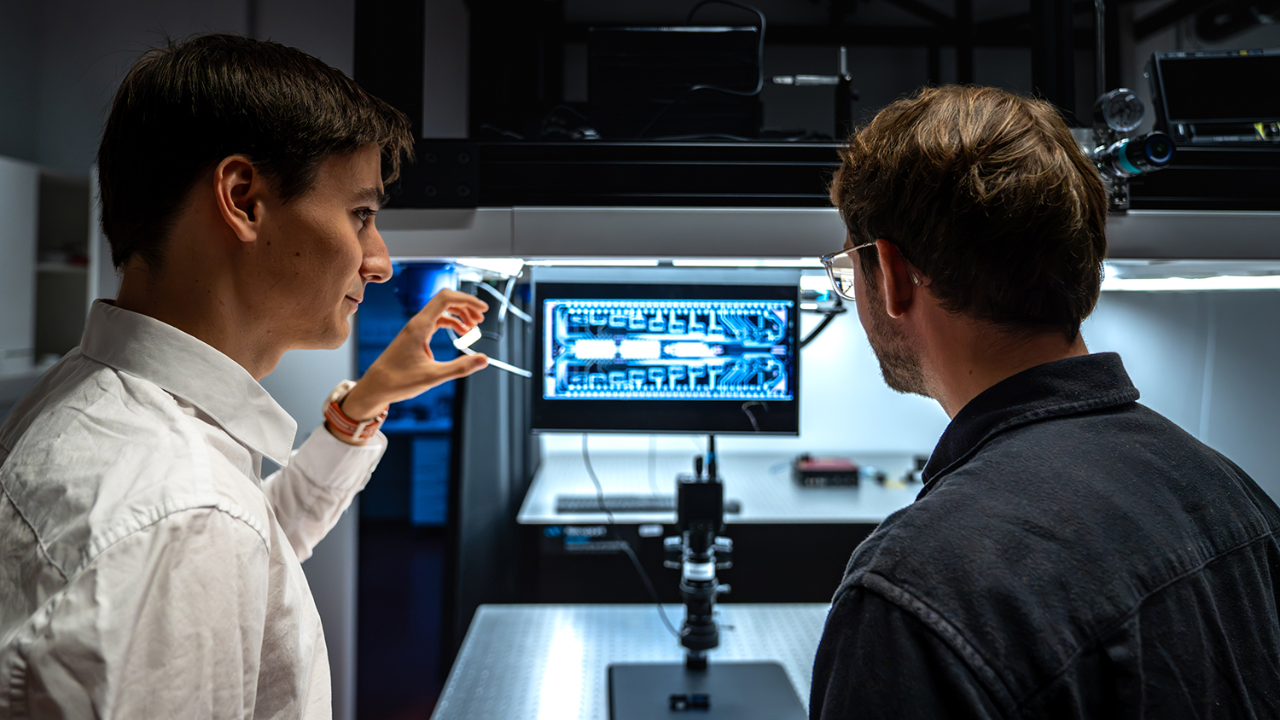
Putting rigid metal electronics inside soft biological tissue always creates friction. For decades, brain-computer interfaces suffered from a fundamental hardware problem. The brain is basically the consistency of warm tofu. When you force rigid silicon or metal needle arrays into it, the tissue responds by creating scar tissue. Signals degrade. Implants fail within a couple of years.
That material mismatch is why recent breakthroughs out of Chinese research labs are turning heads. Scientists are moving away from stiff metals and adopting soft, organic hydrogel architectures known as CHIP (conductive hydrogel with interfacial percolation). By abandoning traditional materials, researchers recently demonstrated a flexible brain-reading system that maintains a 94 percent signal retention rate over extended testing periods. If you enjoyed this piece, you should read: this related article.
Why the Material Shift Matters
Most coverage of neural interfaces focuses purely on software translation speeds or flashy hardware demos. But the real bottleneck has always been biocompatibility. If your electrode array triggers an aggressive immune response, the body seals it off with glial scar tissue. Once that happens, signal clarity drops sharply.
The hydrogel approach solves this by mimicking the mechanical properties of actual neural tissue. It bends, flexes, and absorbs micro-movements without tearing adjacent cells. Conductivity numbers for these soft arrays sit around 2,512 S/cm. That figure breaks the long-standing compromise between electrical conductivity and mechanical softness. For another angle on this development, see the recent update from Engadget.
When applied to mind-typing frameworks, this high signal fidelity changes everything. Instead of fighting noisy data streams caused by tissue inflammation, decoders receive clean, stable inputs. That consistency is what allows high-accuracy typing benchmarks during long sessions, rather than degrading after a few hours of use.
Decoding Intent Without Invasive Trauma
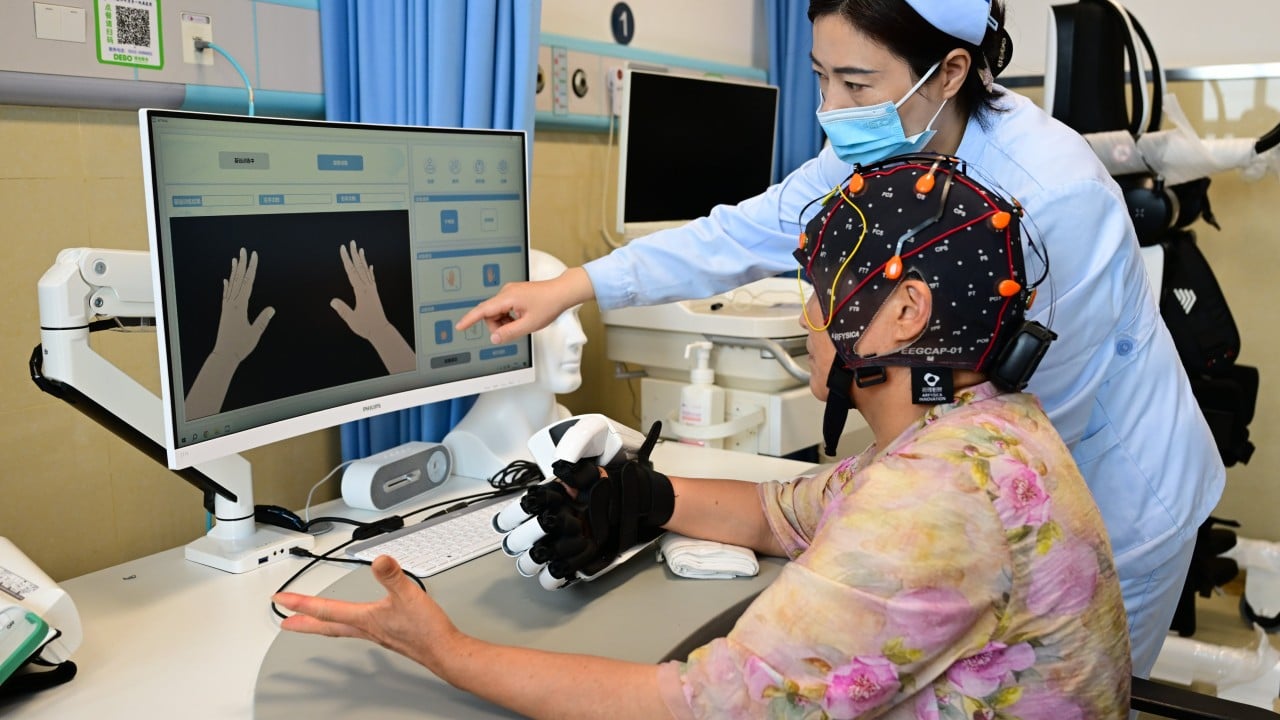
The broader push in neural tech aims to translate internal speech and motor intent into text or cursor movements. Systems that rely on surface electroencephalography (EEG) caps are comfortable, but they suffer from terrible spatial resolution because the skull dampens electrical signals. Invasive arrays give you single-unit neuron resolution, but they require major surgery and carry long-term rejection risks.
Flexible hydrogel arrays sit in a middle ground. They offer high-density channel counts—often featuring 128 channels on extremely thin profiles—without the brutal rigidity of traditional silicon spikes.
Think of it like printing fine ink onto damp paper versus rigid cardboard. Once the hydrogel material equilibrates with body fluids, its internal geometry holds steady, preserving signal pathways that would otherwise scatter or drift.
The Hurdles Nobody Mentions
It's easy to get lost in the high accuracy metrics and day-long stability claims. But let's be honest about where this technology actually stands today.
Most of these high-retention durability milestones come from pre-clinical animal models, such as rabbit tests spanning over 550 days. Translating that performance into human clinical trials is an entirely different beast. Human brains are larger, gyrate differently, and produce complex immune responses that short-term animal trials don't fully capture.
Furthermore, long-term bio-integration requires proving that the hydrogel matrices don't break down chemically over decades inside a warm, saline environment. Regulatory agencies aren't going to clear permanent human implants based on lab benchtop data alone.
Where the Industry Goes Next
The race for practical brain-computer interfaces isn't about who can claim the fastest typing speed for a five-minute PR stunt. It's about building hardware that lives inside the human body for ten years without causing chronic inflammation or losing signal quality.
If soft conductive materials continue to hold their electrical properties past the 18-month mark in advanced trials, the entire hardware paradigm shifts away from rigid silicon. We are looking at a future where neural interfaces feel truly invisible to the host organism.
Keep an eye on how these material science labs handle scaled manufacturing and hermetic sealing. That's where the real battle will be won or lost.