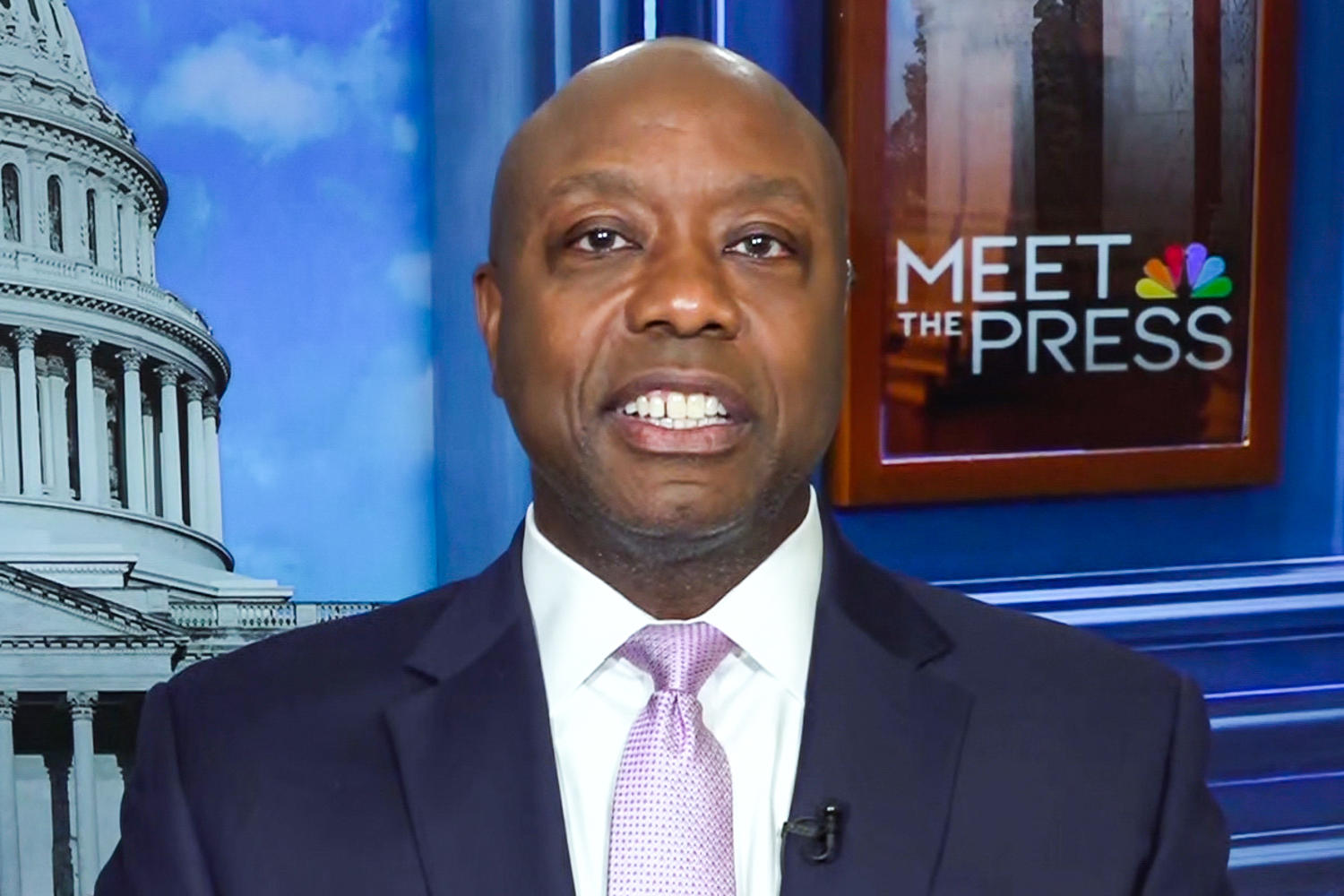
Campaign slip-ups happen to everyone, but party heavyweights know how to look past a single rough night on stage. Senator Tim Scott didn't hesitate when asked about his backing in South Carolina's fiery political battles, making it clear that supporting Darline Graham remains an easy choice even after a high-profile debate stumble.
If you follow primary politics closely, you know that a single bad answer under the hot studio lights can trigger an avalanche of panic from donors and consultants. Opponents jump on the mistake, social media explodes with clips, and weak-kneed establishment figures start backing away. Tim Scott took the opposite approach. He doubled down.
Looking Past the Debate Stage
Why would a senior senator tie his reputation to a candidate weathering a brutal news cycle? Because seasoned politicians understand that voters care far more about a candidate's overall track record and policy alignment than a stuttered sentence or a fumbled talking point during a ninety-minute television broadcast.
When you look at how modern primaries operate, panic is the default setting for political insiders. Candidates get judged on microscopic details while actual legislative vision gets ignored. Scott recognized this trap and chose to ignore the noise. He looked at the broader conservative coalition and decided that a minor debate flub shouldn't overshadow months of groundwork and ideological alignment.
The Real Calculus Behind the Endorsement
Endorsements aren't handed out based on who gives the prettiest television performance. They are transactional and strategic calculations built on trust, shared goals, and party momentum.
- Policy alignment: Scott shares core legislative priorities with Graham, especially regarding fiscal restraint and economic growth.
- Base mobilization: Abandoning a candidate over a momentary media storm alienates grassroots volunteers who do the actual heavy lifting on the ground.
- Long-term strategy: Party leaders need reliable allies in Washington, meaning short-term media gaffes take a backseat to long-term legislative reliability.
Voters often wonder if politicians actually mean what they say when they defend their allies through controversies. Honestly, most of the time it comes down to self-preservation and tribal loyalty. But in this case, Scott’s public stance signals to other fence-sitting donors that the establishment isn't going to fracture at the first sign of bad press.
What This Means Moving Forward
High-stakes primaries in states like South Carolina always get messy. Candidates are forced to run gauntlets of town halls, intense media scrutiny, and well-funded primary challengers. When a heavy hitter like Scott steps up to steady the ship, it changes the dynamic of the race entirely. It tells the opposition that the candidate isn't bleeding out, no matter how hard the media tries to spin a single debate moment.
Pay attention to how local volunteers respond to outside interference. When national pundits hyperventilate over a minor gaffe, local voters usually roll their eyes and focus on who actually understands their daily struggles. Scott understood this dynamic, saved his ally from a manufactured crisis, and proved that real political support survives the news cycle of the week.
Stop letting cable news pundits dictate which candidates are viable and which ones are finished. Look at the actual policy votes, check the local enthusiasm, and judge politicians by what they do when the cameras stop rolling.