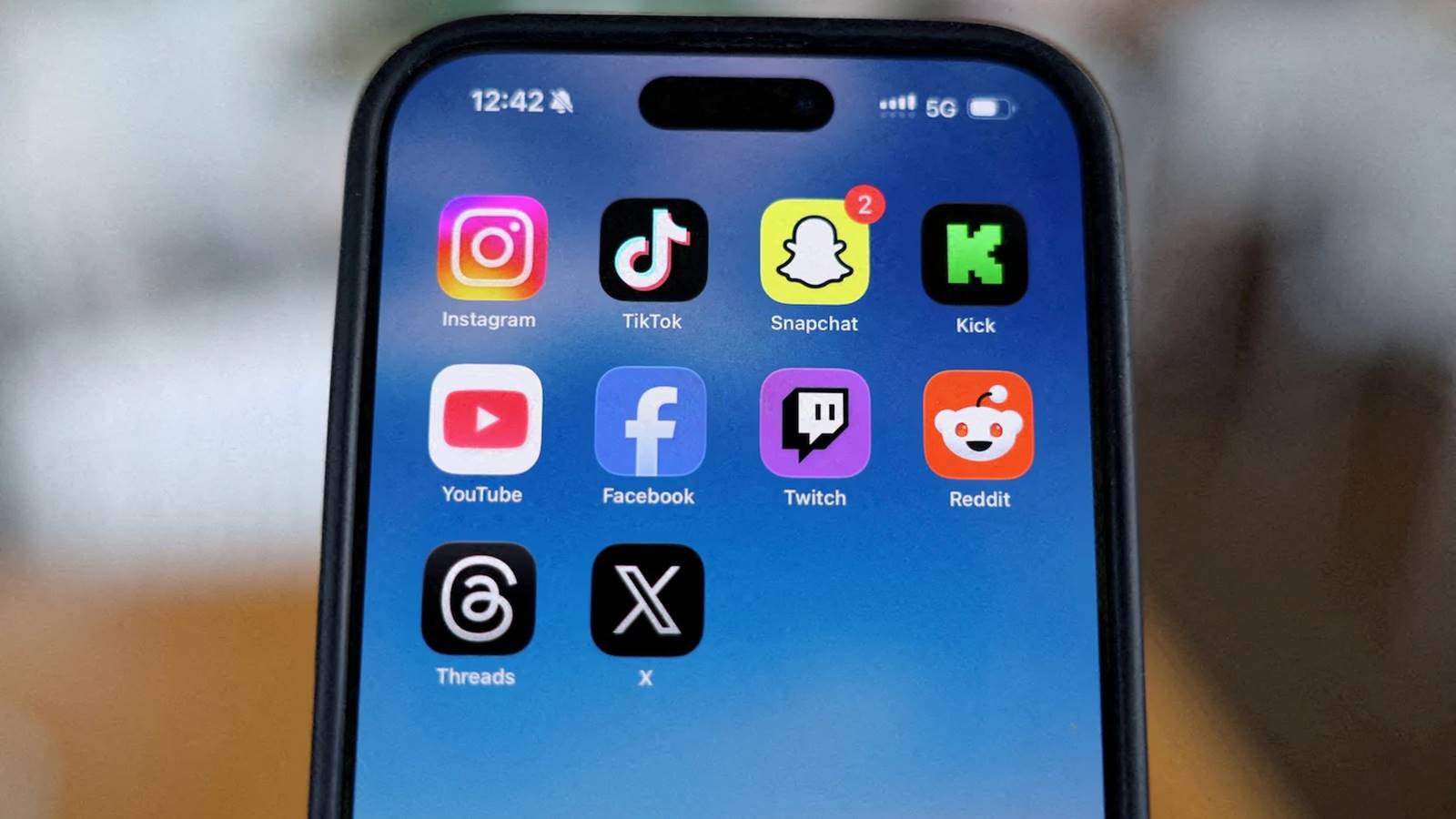
Writing checks is a lot cheaper than airing your dirty laundry in federal court. TikTok just proved this rule by dropping a massive $400 million to settle a sprawling federal lawsuit over how it handles kids' data.
The U.S. Department of Justice didn't back down easily. Back in 2024, they sued TikTok and its parent company ByteDance, claiming the platform deliberately let children under 13 spin up accounts without parental approval, vacuuming up private information in direct violation of the Children's Online Privacy Protection Act, known as COPPA. Instead of facing a messy courtroom battle that could expose internal algorithms and safety failures to the public, TikTok opted to pay up.
Breaking Down the $400 Million Price Tag
Money talks, and in this case, it speaks in two distinct installments. Under the agreement announced by the DOJ, TikTok will fork over an initial $300 million right away. The remaining $100 million kicks in once a separate legal hurdle gets cleared—specifically, an order to vacate an older consent decree tied to Musical.ly, the app that morphed into TikTok.
Nobody admitted liability. That is standard corporate playbook material. TikTok walks away without a formal stamp of guilt, but the financial hit leaves a mark. It stands as one of the largest recoveries ever secured under COPPA regulations.
Why the Trial Fell Apart
You might wonder why a company with billions on the line didn't fight back in front of a judge. The landscape around TikTok changed drastically since the lawsuit was first filed.
For starters, TikTok underwent major structural surgery. To dodge separate nationwide bans over foreign security concerns, ByteDance spun off U.S. operations into a majority American-owned joint venture featuring investors like Oracle and Silver Lake. A new domestic ownership group creates a completely different narrative in court.
Furthermore, TikTok loaded its defense with compliance makeovers. Court filings show the platform rolled out strict age-moderation systems, hired hundreds of safety personnel dedicated to sniffing out underage accounts, and started deleting tens of thousands of profiles belonging to kids who lied about their birthdates.
The DOJ took note of these modifications. Government officials stated that these operational pivots achieved the practical safety results they wanted without forcing taxpayers through years of expensive, unpredictable litigation.
What This Means for Parents and Tech Giants
If you think this solves the youth mental health and privacy crisis on social media, you are kidding yourself. Other tech giants are still sweating under similar legal pressure. Meta, for instance, is currently fighting its own high-stakes federal battles over child safety and privacy violations.
The takeaway for tech companies is crystal clear. Regulators are done slapping wrists with pocket-change fines. If you harvest data from children without permission, expect nine-figure penalties.
For parents, don't expect algorithms to parent your kids. Even with new safety teams and age gates, underage users still figure out how to slip past the digital bouncers by typing fake birthdays. Keep an eye on what your kids download, check their privacy settings manually, and don't trust a corporate settlement to keep them safe.