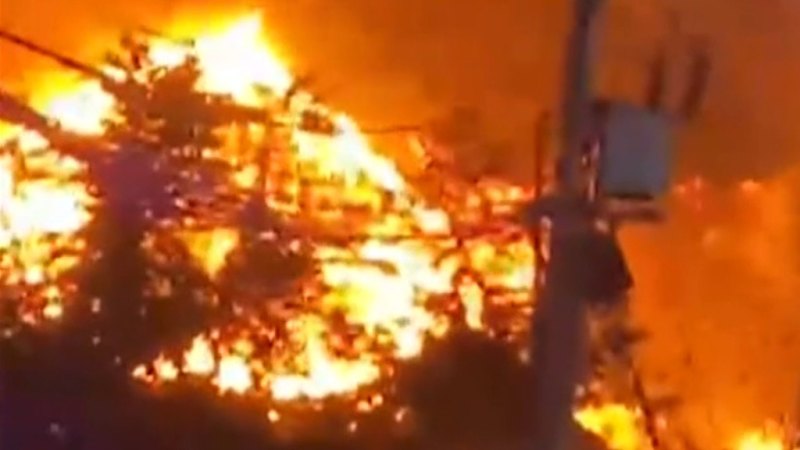
You don't understand the pull of Mount Kailash until you talk to someone who survived its shadow. On August 26, 2026, a catastrophic flash flood tore through the Nepal-Tibet border region. It wiped out concrete buildings, bridges, and human lives in seconds.
At least 675 bodies were recovered, and thousands remain missing. Among them were international travelers, American expats, and spiritual seekers. They traveled thousands of miles across the globe, ignoring warnings about brutal roads and melting glaciers, chasing a glimpse of the divine.
Why do people keep risking everything for a mountain walk? Let's look at the reality behind the disaster and the ancient journey that refuses to slow down.
What Drives the Mount Kailash Pilgrimage
Mount Kailash rises over 6,400 meters in southwestern Tibet. For Hindus, Buddhists, Jains, Sikhs, and Bon followers, it's not just a rocky peak. It's the literal center of the universe. Hindus view it as the home of Lord Shiva. Buddhists see it as the cosmic Mount Meru.
Nobody scales the summit. That's forbidden. Instead, the pilgrimage requires walking a brutal 33-mile circuit around its base. It takes three days through thin, oxygen-starved air, crossing the grueling Dolma La pass at nearly 5,600 meters.
People don't go for a casual hike. They go because they believe the journey washes away lifetimes of karma. For many, it's a final milestone before old age catches up. When families begged their retired parents or relatives not to go, the answer was almost always the same. They felt destined to make the trip.
The August 26 Catastrophe
The disaster didn't happen out of nowhere. A glacial collapse triggered a massive wave of water, mud, and debris down the valley near the Gyirong border crossing.
Most pilgrims fly into Kathmandu and take bone-jarring bus rides north through Nepal to cross into Tibet. That exact route became a death trap. Some groups missed the flash flood by less than 48 hours, like a 150-member party led by spiritual orders who crossed into Chinese territory just before the wall of water hit. Others weren't as lucky.
Disaster response teams found themselves completely overwhelmed. Landslides severed the roads, making heavy equipment useless. Rescue helicopters struggled against unstable weather and were stretched thin across a massive geographic area. For weeks, families in Atlanta, New York, and across India flooded social media with frantic missing person posts. They searched for biotech scientists, retired grandparents, and young professionals who vanished into the Himalayan mist.
The Collision of Faith and Climate Reality
People want to point fingers when a tragedy of this scale hits. Some blame the lack of early warning systems. Others point to human-induced climate warming that causes Himalayan glaciers to destabilize and burst without warning.
Spiritual leaders like Sadhguru, whose Isha Foundation lost dozens of members on the border, urged followers to accept the raw power of nature. Historians of religion note that tourism and pilgrimage numbers have surged past safe thresholds. Thousands of eager travelers now crowd fragile alpine routes that were historically trekked by only a handful of ascetic monks.
When infrastructure can't handle the load, disaster follows. The Chinese government enforces strict quotas for permits, yet demand keeps climbing every year. People want their spot on the yatra, no matter the cost.
What Travel Safety Lessons We Can Actually Use
If you're planning a trek through high-altitude South Asia, you have to throw away romantic illusions. Nature doesn't care about your spiritual intentions.
- Monitor local weather patterns and geological warnings before booking remote itineraries.
- Build buffer days into your schedule for acclimatization and sudden route closures.
- Always keep physical emergency contacts and offline maps handy when cellular networks fail.
- Listen to local guides when they tell you a path is too dangerous to cross.
The allure of sacred mountains isn't going away. Thousands will still pack their bags for the Himalayas next season. But respect the altitude, respect the changing climate, and remember that survival always beats a canceled ritual.