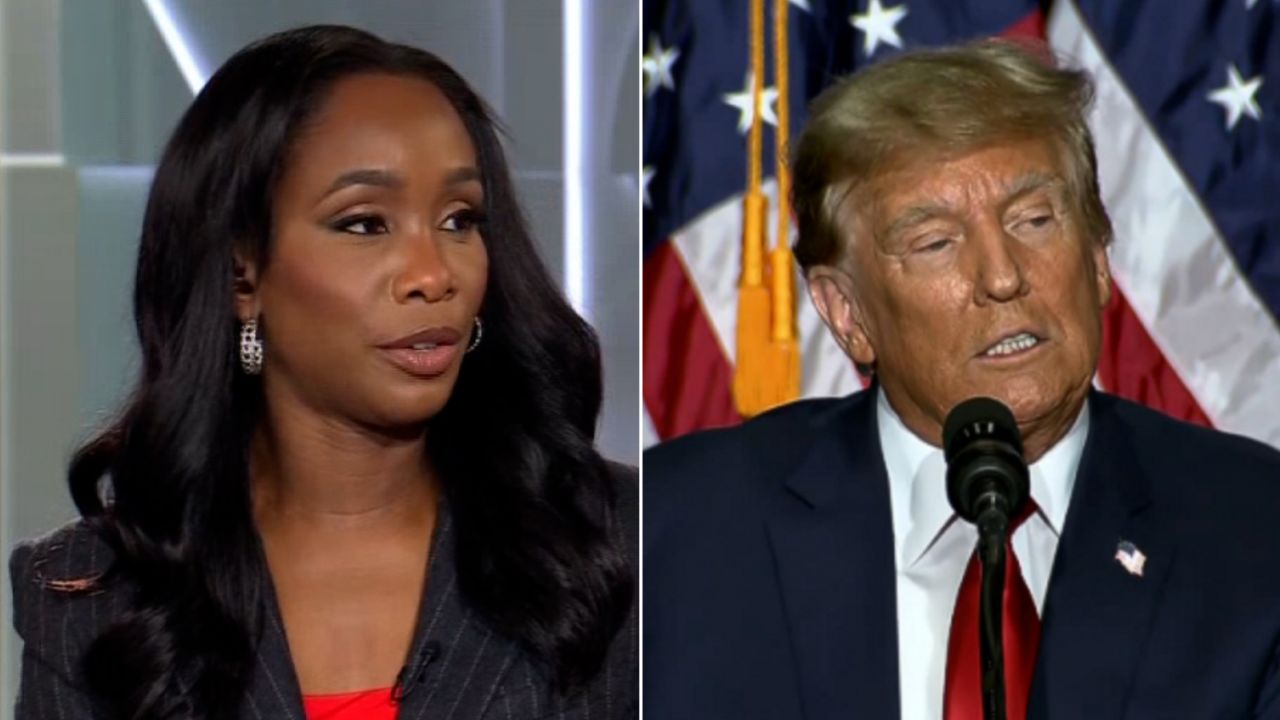
When a political figure and a member of the press lock horns, the world watches. These moments rarely happen in a vacuum. They are flashpoints where the friction between institutional power and the role of the media becomes undeniably visible. You’ve likely seen these viral clips. A reporter asks a pointed question, a politician fires back, and the internet erupts with commentary.
Understanding the Press Interaction Dynamic
Journalists have a job to do. Their duty, in theory, is to hold power accountable. Politicians, meanwhile, want to control the narrative. They aren't just giving answers; they're framing their message for an audience. When a reporter brings up a sensitive topic—like foreign policy decisions or internal campaign staff matters—it's not just a query. It's a strategic challenge to that framing.
I’ve spent plenty of time analyzing how these exchanges function. It’s never just about the words spoken. It’s about the body language, the tone, and the immediate pivot back to a talking point. When a politician "slams" a reporter, they’re often signaling to their base that they won’t be pushed around. It’s a performative act as much as it is a communicative one.
Why These Moments Matter
Why do these clips grab so much attention? Because they feel raw. In an era of highly polished, focus-grouped political messaging, a moment of unfiltered tension feels real. People crave authenticity. Even if you dislike the politician or distrust the media outlet involved, the breakdown of the standard "question-answer" format captures our interest.
These incidents often highlight broader societal fractures. When someone asks about North Korea, for instance, they aren't asking about a simple policy detail. They are invoking massive, complex geopolitical history. If the response focuses on the reporter's credentials or the outlet's track record rather than the subject matter, the audience has to decide: is the question unfair, or is the politician dodging?
Looking Beyond the Headlines
If you find yourself watching these clips, try to shift your focus. Instead of picking a "winner," look at the incentives. What does the journalist gain by being aggressive? What does the politician gain by being dismissive?
- Information vs. Performance: Determine if the journalist is actually trying to get a new fact or if they are trying to elicit a specific emotional reaction for a soundbite.
- The Pivot Strategy: Pay attention to how quickly the politician transitions away from the question. The pivot is the most important part of any political interview.
- The Audience Signal: Ask who this interaction is really for. It’s rarely for the person standing in the room. It’s for the millions who will see the clip on social media later.
Most people get caught up in the outrage. That’s exactly what the algorithms want. If you want to stay informed, stop treating these exchanges like reality television. Dig into the background of the questions being asked and the history of the policy being discussed.
Political communication is a game of high stakes. The reporters know it. The politicians know it. It’s time you realize it, too. Don't let the noise dictate your understanding of the issues. Focus on the core facts beneath the friction.