Taiwanese voters can forgive a lot of things, but messing with their dinner tables isn't one of them. The ruling Democratic Progressive Party is finding this out the hard way right now. A massive, toxic cooking oil crisis has hit the island. It is spreading fast, infecting hundreds of restaurants and hitting iconic brands like Din Tai Fung. With local elections looming, the political fallout is already getting incredibly messy.
The opposition is smelling blood. They are using the current Taiwan food safety scandal to brand the administration of President William Lai Ching-te as incompetent and hypocritical. Honestly, it is working. The timing couldn't be worse for the DPP, a party that desperately needs to hold its ground in municipal battles across the island.
When you look closely at how the public is reacting, the anxiety is real. People aren't just angry about the contamination itself. They are furious about a perceived government cover-up. If the Lai administration fails to clean this up fast, the local election hopes of the DPP might completely collapse before campaigns even hit full swing.
The central union oil disaster and how it slipped through the cracks
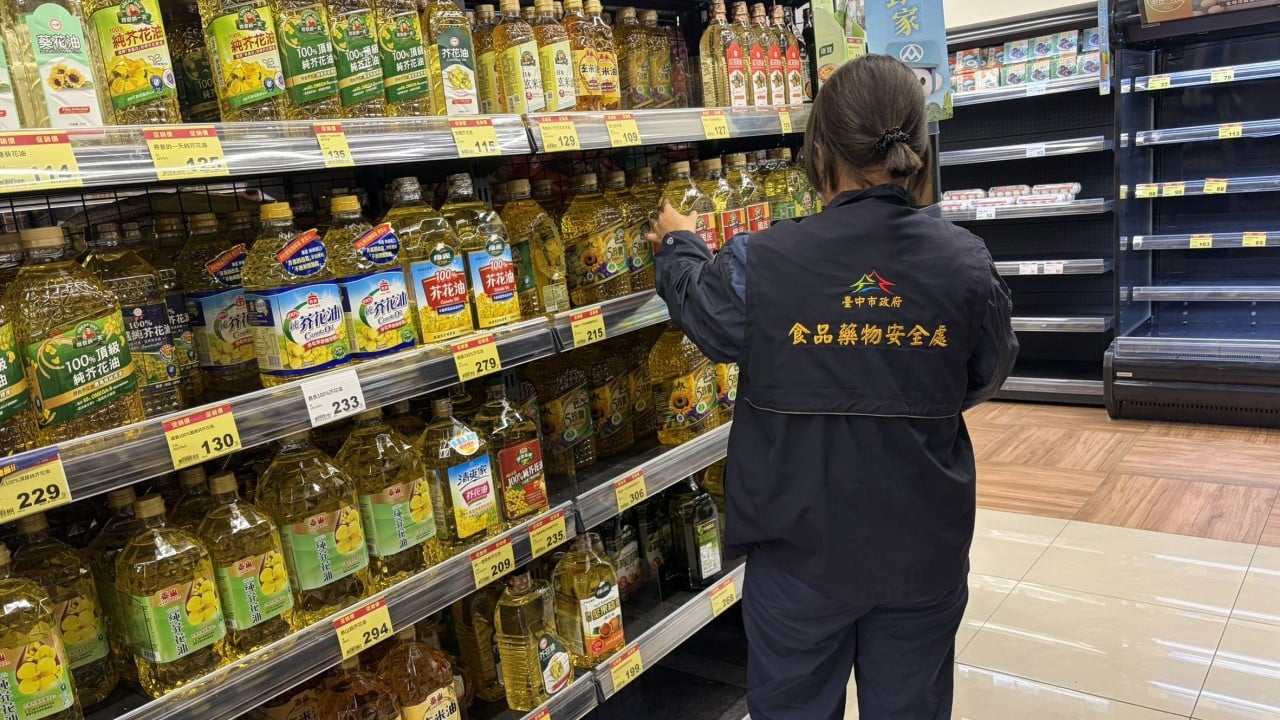
This mess didn't start yesterday. It began bubbling under the surface months ago, though the public only found out recently. The company at the center of the storm is Central Union Oil Corp, a major producer based in Taichung. On June 30, the government announced a massive recall. The problem? Their soybean oil contained dangerous levels of benzopyrene, a known carcinogen.
The timeline makes the government look terrible. Allegations surfaced in the Legislative Yuan that a downstream food manufacturer, Namchow Group, actually caught the problem back in April. They reportedly warned Central Union Oil immediately. Instead of halting production and coming clean, Central Union Oil apparently kept making and shipping the toxic oil for months.
The Food and Drug Administration didn't issue its first recall for 1,300 tonnes of tainted oil until July 2. Think about that gap. For nearly three months, toxic oil was flowing into the supply chain. It ended up in night markets, school lunches, and high-end restaurants. By the time the FDA slapped Central Union Oil with a fine of 165.2 million New Taiwan dollars on July 7, the damage was done. The public felt completely betrayed.
The weaponization of a public health nightmare
Food safety is local, but the blame game is entirely national. The opposition parties, the Kuomintang and the Taiwan People's Party, didn't waste a single second. They immediately launched a coordinated attack on the central government. They are demanding that Premier Cho Jung-tai apologize and that health officials step down.
This creates a brutal double standard for the DPP. Back in 2014, Taiwan suffered a similar, massive gutter oil scandal. Back then, the KMT was in power under President Ma Ying-jeou. The DPP went for the throat. They screamed for the premier to resign, accused the KMT of absolute incompetence, and weaponized the public's fear to win huge victories in the subsequent local elections.
Now, the shoes are on the other feet. The KMT is using the exact same script against the DPP. The opposition is blasting the Lai administration for refusing to release full test results from the April-to-June period. The FDA claims they withheld the data due to potential sample fraud by the companies involved. To the average voter, that doesn't sound like cautious science. It sounds like a cover-up.
A turf war between Taichung and Taipei
The political struggle isn't just happening in the halls of the legislature. It is playing out as a bitter turf war between municipal leaders and the central government. The Taichung city government has been aggressively conducting its own inspections and slapping Central Union Oil with local fines. They want to show they are the proactive protectors of the public, while the central government sleeps at the wheel.
This creates a major administrative headache. Under Article 41 of the Act Governing Food Safety and Sanitation, Taiwan uses a decentralized model. Local health departments are the ones responsible for frontline inspections, facility checks, and sample testing. The central government is only supposed to step in when a crisis gets too big or when local resources fail.
The KMT and TPP are completely ignoring this legal framework. They are dumping every ounce of blame squarely on the central government's lap. The DPP tries to defend itself by pointing to the law, arguing that local inspection failures are a municipal issue. But that argument is too academic. Voters don't care about the fine print of jurisdictional boundaries. They see a national crisis, and they expect the national government to fix it.
Internal party fractures are making it worse
When your own party starts turning on you, you know you're in deep trouble. In a rare display of internal dissent, prominent DPP legislators have openly criticized the administration's handling of the crisis. Some lawmakers have publicly questioned why the FDA and the Ministry of Health and Welfare failed to catch the issue sooner, especially given the early warnings in April.
This internal finger-pointing is destroying the DPP's ability to project a unified front. The party is trying to manage multiple fires at once. While Health Minister Shih Chung-liang defended the government's response by saying they followed older guidelines, Premier Cho Jung-tai had to order an emergency, one-week comprehensive testing blitz to stop the political bleeding. He told legislators he would self-examine, but he didn't apologize. That lack of a formal apology is giving the opposition endless ammunition.
The timing is absolutely disastrous. Local elections require momentum and grassroots trust. If DPP candidates have to spend their campaign stops defending a broken food safety system instead of talking about local development, their poll numbers will tank.
The economic damage to homegrown brands
The political fallout is amplified by the massive economic shockwave hitting Taiwan’s iconic food culture. When a brand like Din Tai Fung gets dragged into a food scare, the psychological impact on the public is massive. Tourism, night market economies, and domestic retail are all feeling the pinch as anxious consumers change their eating habits.
Small businesses are suffering the most. A local noodle shop owner in Taipei doesn't have the resources to independently verify the chemical purity of their cooking oil supplies. They trust the labels, and they trust the government regulatory system. Now, many of these small-scale vendors are facing empty tables because customers are simply too terrified to eat out. These business owners represent a massive, vital voting bloc. If they feel the government ruined their livelihoods through lazy oversight, they will take that anger straight to the ballot box.
What happens next
The Lai administration knows they are staring into an electoral abyss. To salvage their reputation, the Executive Yuan announced plans to rush through strict new amendments to the Act Governing Food Safety and Sanitation on July 23. They are promising harsher criminal penalties, much tighter controls on raw materials, and mandatory real-time information sharing between companies and regulators.
It might be too little, too late. Passing laws after the public has already consumed tainted oil for months is a classic example of closing the barn door after the horse has bolted.
If you want to track how this crisis will ultimately impact the political map, ignore the grand speeches in Taipei. Watch these specific markers over the coming weeks.
- Check the inspection reports from municipal health bureaus outside Taipei to see if the contamination has spread further into southern agricultural hubs.
- Monitor the legislative debate on July 23 to see if the DPP can successfully pass the food safety amendments without major concessions to the opposition.
- Watch the polling data for the upcoming mayoral races in key battleground cities like Taichung and New Taipei City to see if the DPP's support among middle-class families is eroding.
- Keep an eye on how quickly the Ministry of Health and Welfare clears the backlog of suspected food samples, as any further delays will fuel the cover-up narrative.