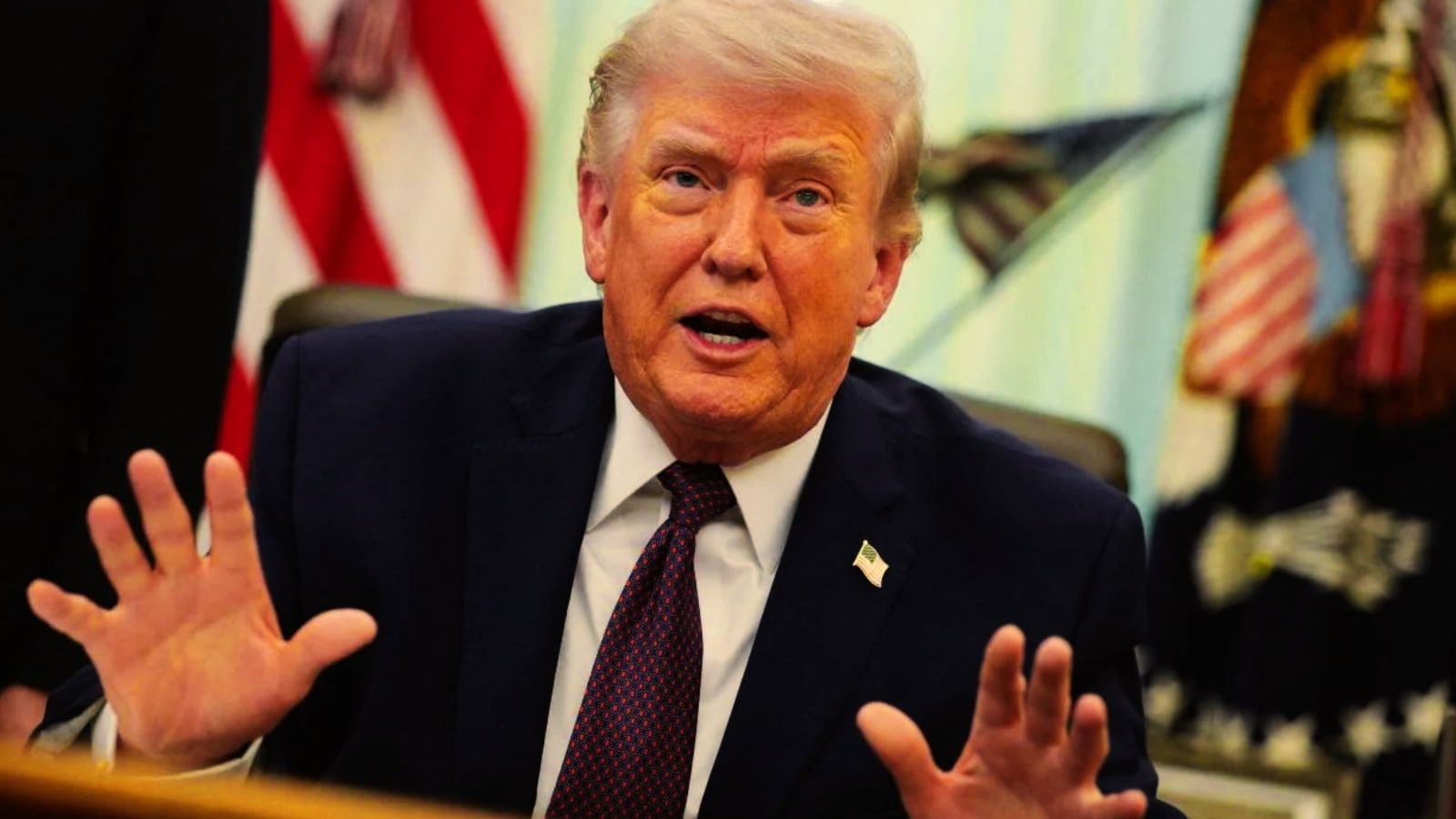
Geopolitics rarely moves in a straight line, but when Washington and Beijing start hashing out deals behind closed doors, Taipei always feels the tremors first. Chinese President Xi Jinping recently met with US President Donald Trump in Washington, pushing hard for a subtle shift in the American stance on Taiwan's sovereignty. Beijing wants the White House to formally adopt a tougher formulation against the island's independence. Predictably, Taiwan's foreign ministry didn't stay quiet. They fired back immediately, calling Beijing's rhetoric a blatant distortion of reality.
If you're wondering why this specific diplomatic exchange matters so much right now, you have to look at the broader transactional playbook driving American foreign policy. Trump has openly treated major foreign policy elements as negotiable assets. Back in May, he paused a planned arms sale to Taiwan, explicitly labeling it a bargaining chip to secure trade concessions and cooperation on critical global flashpoints like Iran and trade tariffs. When world superpowers negotiate their interests over coffee, smaller democracies often get treated like chips on a casino table.
Taiwan's official response was sharp and uncompromising. The foreign ministry in Taipei reiterated that Taiwan's sovereignty belongs solely to its people, stressing that the Chinese Communist Party has zero authority to speak on their behalf. They labeled Beijing the true disruptor of regional stability, pointing directly to constant naval patrols, air incursions, and military drills encircling the self-ruled island.
The Shifting US Stance on Taiwan
For decades, Washington has maintained a careful policy of strategic ambiguity. The official line avoids explicitly promising military defense while supplying the island with billions in defensive weapons. But Beijing hates this ambiguity. Xi's recent push in Washington aimed to nudge the US away from merely not supporting independence toward actively opposing it. That tiny shift in semantics carries massive weight in international law and diplomatic leverage.
Trump's team has plenty of competing priorities on the table. Securing Chinese purchases of American farm goods, managing rare earth mineral supply chains, and curbing tensions in the Middle East consistently vie for the White House's attention. Taipei understands this reality better than anyone. They know that keeping the US security umbrella intact requires constant, active lobbying and close cooperation with like-minded regional partners.
What Happens Next in the Taiwan Strait
You shouldn't expect an immediate military invasion tomorrow, but the psychological and economic pressure on Taiwan is mounting daily. Beijing wants to grind down the island's resolve through diplomatic isolation and persistent gray-zone warfare. Meanwhile, domestic political friction inside Taiwan—such as legislative battles over defense budget allocations—only complicates the island's ability to present a united front.
The security architecture of the Indo-Pacific hangs in the balance. Taipei will keep pushing back against any backroom deals that compromise its democratic future. Keep a close eye on upcoming arms deliveries and congressional sentiment in Washington. That is where the real battle lines for the future of Taiwan are drawn today.